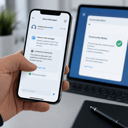
Apple just released the iOS 27 public beta, bringing its revamped Siri AI to everyday users after a month of developer testing. The update represents what early testers are calling a "Snow Leopard moment" - less about flashy features, more about fixing what's broken. According to The Verge's hands-on preview, the improvements are already changing how people interact with their iPhones, with faster app launches, smarter Photos search, and a Siri that finally feels like it's catching up to the AI assistant race.
Apple is taking a different approach with iOS 27, and users are noticing. The public beta dropped today, opening the floodgates for anyone willing to test Apple's latest mobile operating system before its official fall release. But this isn't your typical iOS update packed with headline-grabbing features. According to The Verge's David Imel, who's been testing since early June, iOS 27 is what the industry calls a "Snow Leopard update" - a reference to Apple's beloved 2009 macOS release that prioritized refinement over revolution.
The star of the show is Siri AI, which has been getting quietly smarter while Google and Samsung have been making noise about their own AI assistants. The changes aren't just cosmetic. Imel reports that Siri's improvements are already changing his daily iPhone habits, though the beta's limitations mean we're only seeing a preview of what's coming. App launches respond faster, Photos search delivers results quicker, and AirDrop transfers that used to feel sluggish now snap into action.
Apple's messaging strategy is getting a long-overdue upgrade too. The Messages app now handles in-line replies, bringing it closer to feature parity with competitors like Meta's WhatsApp. More importantly, RCS messages - the cross-platform standard that Apple resisted for years - now get end-to-end encryption. That's a big deal for the millions of users who text between iPhones and Android devices, addressing a security gap that privacy advocates have been complaining about since Apple finally agreed to support RCS.
The "Liquid Glass" interface refinements might sound like marketing speak, but they represent Apple's continued obsession with making iOS feel cohesive. These visual polish updates typically go unnoticed by casual users but contribute to the overall sense that an iPhone "just works" - the intangible quality that keeps Apple's ecosystem sticky even as Android devices match or exceed iPhone specs.
What's really interesting is what this update signals about Apple's AI strategy. While competitors race to cram generative AI into every corner of their operating systems, Apple is taking a more measured approach. The company has been clear that it's focusing on practical AI improvements - the kind that make your phone faster and smarter without requiring you to learn new interaction patterns or trust experimental features with your personal data.
This philosophy aligns with Apple's recent emphasis on on-device processing and privacy-first AI, a stark contrast to cloud-dependent approaches from Google and Microsoft. By refining Siri's existing capabilities rather than bolting on flashy new AI features, Apple is betting that users care more about reliability than novelty.
The timing matters too. iOS 27's public beta arrives as the smartphone market shows signs of maturation. Gone are the days when each iOS update brought revolutionary features that made older devices feel obsolete. Instead, Apple is playing a longer game - making incremental improvements that keep the iPhone experience ahead of Android rivals without alienating users who felt left behind by buggy updates in previous years.
For developers, the month-long developer beta period before today's public release suggests Apple is being more cautious than usual. The company has faced criticism in recent years for rushing iOS updates that shipped with embarrassing bugs, and this extended testing window indicates a renewed focus on stability. That's especially important for an update that touches core system performance and AI features that users rely on dozens of times daily.
The beta's arrival also sets the stage for Apple's fall hardware announcements. Historically, major iOS releases coincide with new iPhone launches, and iOS 27's focus on speed and AI refinement hints that this year's iPhone hardware might not bring radical redesigns. Instead, Apple seems positioned to tout how the combination of new chips and optimized software delivers the "best iPhone experience ever" - a familiar refrain that nonetheless remains effective.
What we're seeing is Apple's response to a maturing smartphone market where dramatic leaps forward are harder to achieve. By focusing on refinement, the company is acknowledging that users don't necessarily want revolution every year. They want their phones to work better, faster, and smarter - exactly what iOS 27 promises to deliver.
Apple's iOS 27 public beta signals a strategic shift toward perfecting what already exists rather than chasing the next big thing. By prioritizing speed, stability, and incremental AI improvements over flashy new features, Apple is betting that users want their iPhones to work better, not just differently. As Google and Samsung race to stuff generative AI into every menu, Apple's measured approach with Siri refinements and on-device processing might prove more sustainable. The real test comes this fall when iOS 27 officially ships alongside new iPhone hardware - but early signs suggest Apple has learned from past buggy updates and is taking the time to get this one right.