The vacuum left by Anthropic's Mythos export ban is filling fast - and U.S. AI labs might never get this market back. A wave of Asian startups is launching frontier models that promise Mythos-level capabilities without the regulatory drama, threatening to permanently shift the center of gravity in AI development. What started as a temporary trade restriction is morphing into a strategic gift to competitors across the Pacific.
Anthropic's Mythos export ban just handed Asian AI startups the opening they've been waiting for. And they're not wasting it.
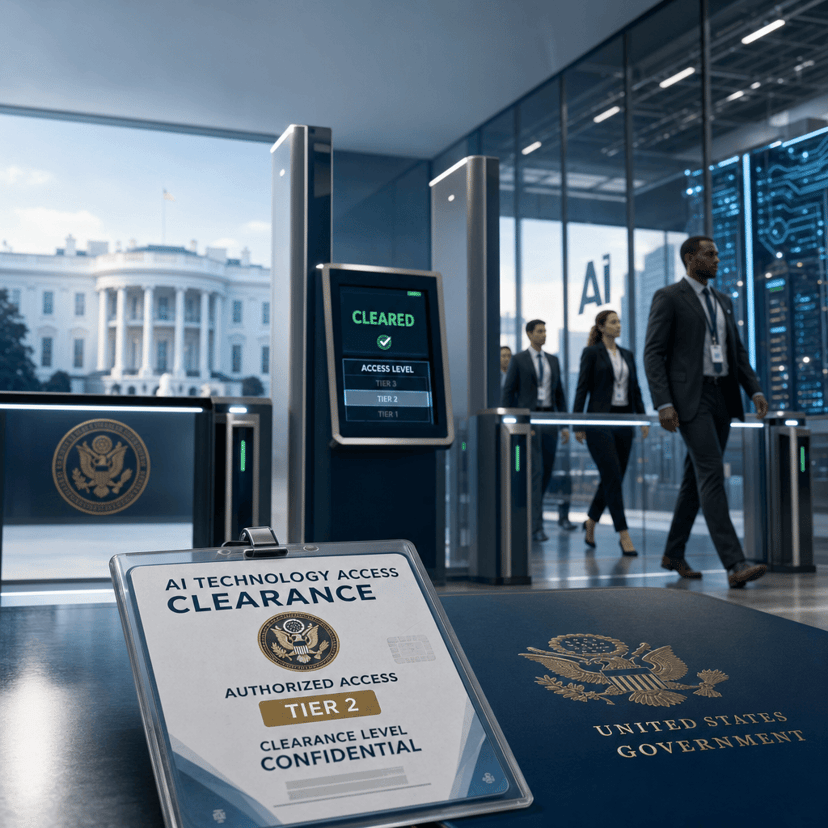
Singapore-based Vertex AI dropped its Phoenix-7 model Tuesday morning, promising "Mythos-level reasoning without the Washington red tape." Hours later, South Korean unicorn Mindforge unveiled Atlas, a large language model the company claims matches Mythos performance on key enterprise benchmarks. Both launches come as Anthropic's flagship model remains locked out of Asian markets for the third consecutive month, caught in an export control limbo that shows no signs of resolution.
"We're not waiting around for American companies to figure out their regulatory problems," Vertex AI CEO Zhang Wei told reporters during a launch event in Singapore. The bluntness reflects a growing sentiment across Asia's AI ecosystem - if U.S. labs can't deliver consistent access to frontier models, local alternatives will step up.
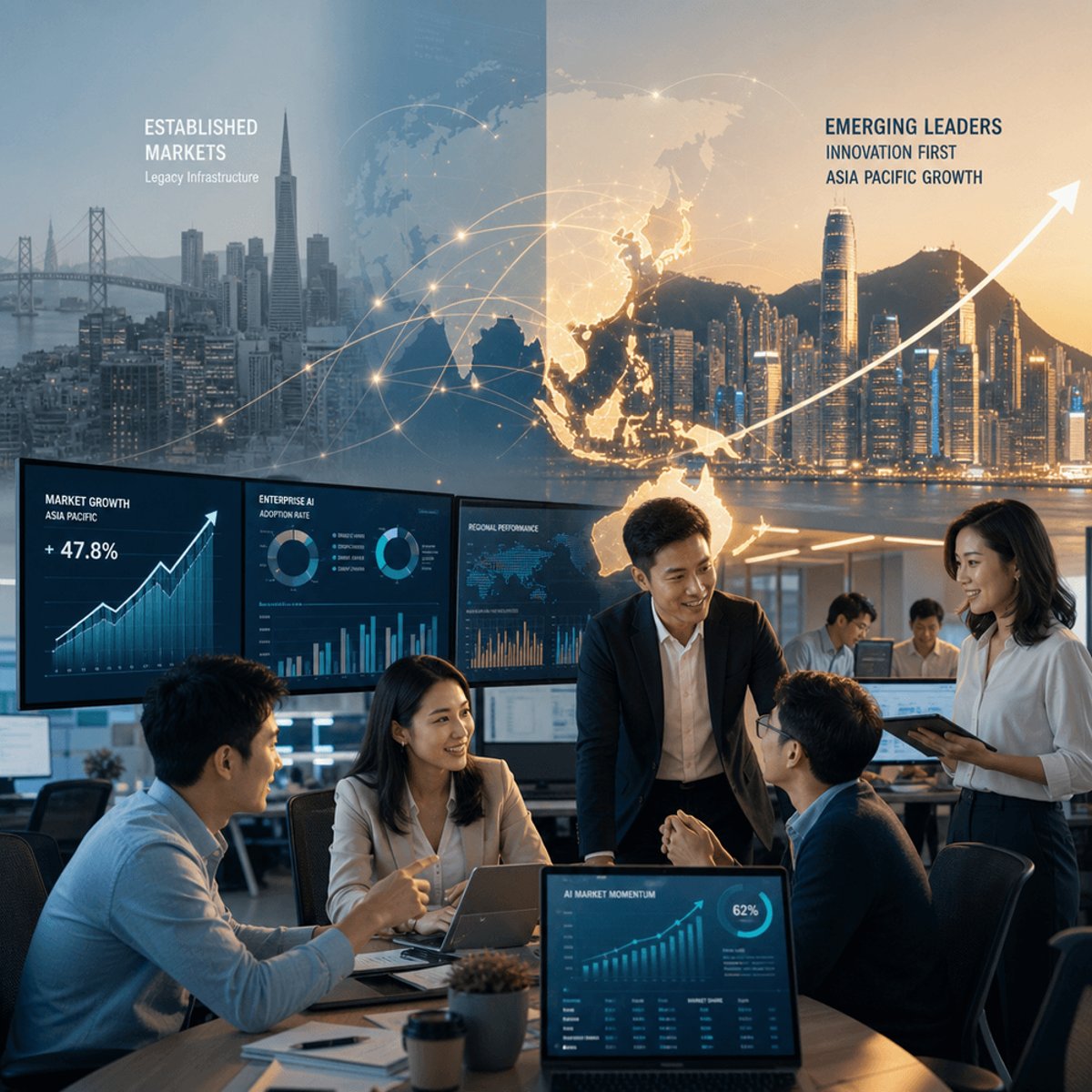
The timing couldn't be worse for American AI dominance. Asia represents an $847 billion AI market according to recent IDC projections, with enterprise adoption accelerating faster than in North America or Europe. Every week that Mythos remains banned is another week for competitors to lock in enterprise contracts, train sales teams on local alternatives, and build the kind of customer stickiness that's nearly impossible to break.
Mindforge's Atlas launch is particularly notable. The Seoul-based startup raised $340 million in Series C funding just eight weeks ago, explicitly positioning itself as the "Asian answer to American AI uncertainty." Lead investor SoftBank Vision Fund didn't hide its strategic calculus. "Export controls create market opportunities," said Vision Fund partner Akira Nakamura in a statement accompanying the Atlas announcement. "We're backing companies that can serve this region regardless of geopolitical headwinds."
The competitive threat goes beyond just replicating Mythos capabilities. Both Phoenix-7 and Atlas are being offered with guarantees U.S. providers can't match - no export control risk, data residency in Asian jurisdictions, and multilingual support optimized for Asian languages from day one. Vertex AI is already promoting contract language that explicitly shields customers from "regulatory disruption events," a direct shot at Anthropic's situation.
Industry analysts are sounding alarms about permanent market erosion. "This isn't like losing a quarter or two of sales," explains Sarah Chen, AI analyst at Gartner's Singapore office. "Once an enterprise standardizes on a foundation model, switching costs are enormous. We're talking about retraining systems, rebuilding integrations, rewriting entire application stacks. If Asian companies capture this moment, U.S. labs might never win these customers back."
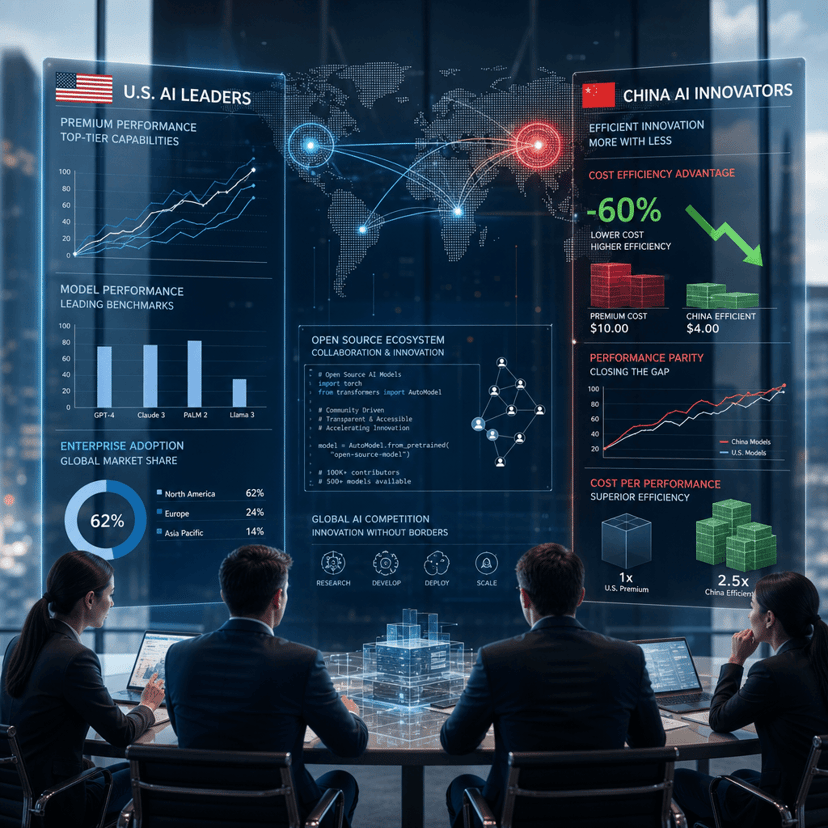
The irony is sharp - export controls meant to maintain American AI leadership may be accelerating the exact outcome they were designed to prevent. By restricting Mythos access, U.S. regulators have created massive financial incentives for Asian competitors to develop equivalent capabilities. And they're doing it with fewer restrictions, more government support, and direct access to the world's fastest-growing AI markets.
Anthropic declined repeated requests for comment on the competitive landscape shift or any timeline for resolving the export ban. The company's silence is telling - there's no good answer when your flagship product is locked out of a market while funded competitors rush in.
Meanwhile, the launches keep coming. Tokyo-based Sakura Labs is reportedly preparing its own Mythos competitor for July release, while Chinese AI giant Baidu is rumored to be repositioning its ERNIE model specifically to capture market share from banned American alternatives. Each announcement chips away at the assumption that frontier AI development remains concentrated in Silicon Valley and San Francisco.
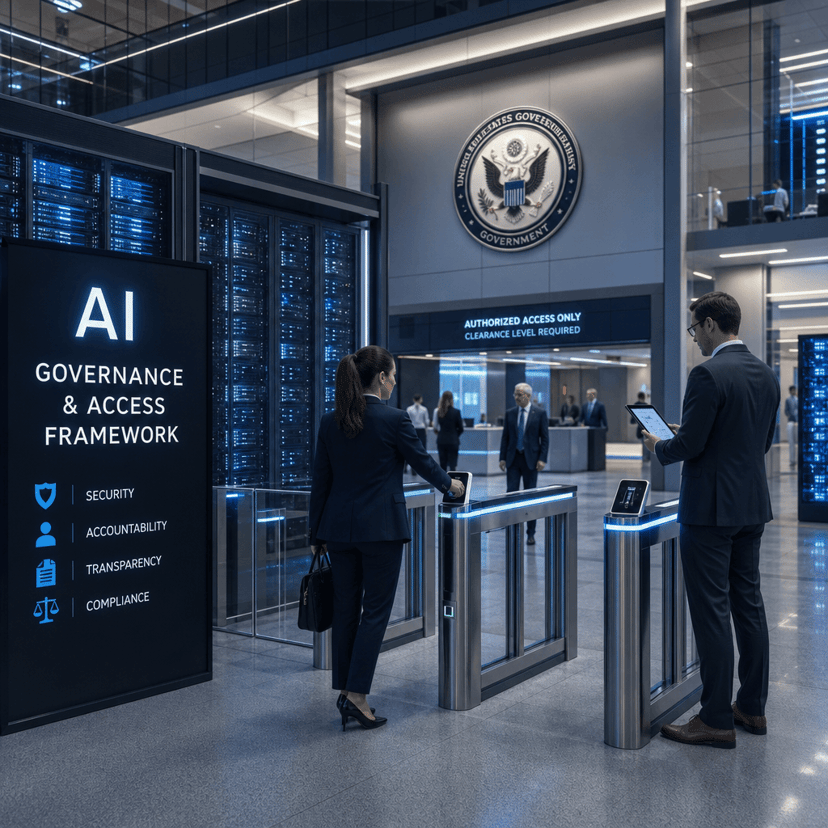
The geopolitical implications extend beyond market share. If Asian companies can credibly deliver Mythos-level capabilities, the U.S. loses leverage in setting global AI safety standards and norms. "You can't write the rules if you're not at the table," notes James Morrison, technology policy fellow at the Council on Foreign Relations. "And you're not at the table if your models aren't deployed."
For enterprises caught in the middle, the calculation is getting simpler by the day. Why wait for Anthropic to navigate export controls when Vertex AI and Mindforge are offering similar capabilities with guaranteed access? Why accept regulatory uncertainty when local alternatives promise stability? The questions answer themselves - which is exactly what has U.S. AI labs worried.
The Mythos export ban started as a regulatory action but it's morphing into a strategic blunder that could reshape global AI leadership for a generation. While Anthropic remains sidelined, Asian competitors are converting frustration into market share, building the enterprise relationships and technical capabilities that won't evaporate when the ban eventually lifts. U.S. AI labs are learning an expensive lesson - in a market moving this fast, access and reliability matter more than marginal technical advantages. The window to reverse this shift is closing fast, and every new Asian model launch slams it a bit tighter.