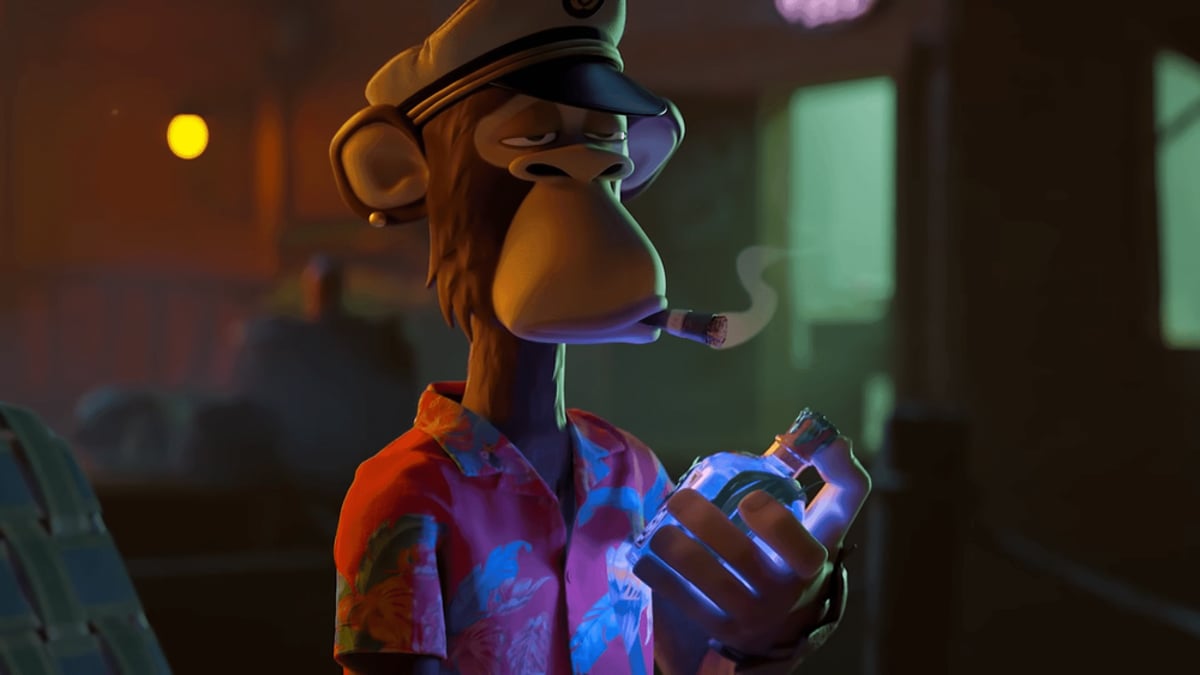
After three years of development, Yuga Labs is finally launching its Bored Ape Yacht Club-themed metaverse called Otherside on November 12th. The company announced the news at ApeFest in Las Vegas, marking a major bet on virtual worlds after raising $450 million in 2022 to build what it calls one of the most ambitious projects in the crypto space.
Yuga Labs is making its biggest play yet to revive the NFT craze through virtual worlds. The company behind Bored Ape Yacht Club announced that its long-awaited metaverse platform Otherside will officially launch November 12th, finally delivering on promises made after its massive $450 million funding round in 2022.
"It's basically one of the most ambitious projects ever attempted in the space, and it's finally starting to take shape," Yuga Labs chief product officer Michael Figge told The Verge at the company's ApeFest event in Las Vegas.
The platform positions itself as a crypto-powered alternative to mainstream virtual worlds like Roblox and Fortnite. Players can use NFTs as 3D avatars to explore both official Yuga Labs worlds and user-generated content. But unlike traditional gaming platforms, Otherside lets you own, trade, and move digital assets between different experiences - a key selling point for the Web3 crowd.
Yuga is taking a surprisingly accessible approach for a crypto-native platform. While you can connect with a crypto wallet, anyone can join through a browser using just their email address. "We think that there should be a very low barrier to entry for somebody to try out Otherside, because once they do try it, it's a really great way to get exposed to what it's like to actually own digital assets," Figge explained.
The launch lineup includes The Swamp, a BAYC-themed social world, plus the Nexus hub world and several community games. These range from "Bathroom Blitz," described as a shooter with "action so explosive, you'll be clenching cheeks the whole time," to "Otherside Outbreak," a zombie survival experience. Players can also create "Bubbles" - social audio rooms similar to Clubhouse or X Spaces.
Yuga's monetization strategy revolves around avatar sales through its new "Voyager" system. The company has lined up partnerships with digital artist Daniel Arsham for a 300-piece collection and, surprisingly, Amazon for co-branded "Boximus" avatars made from Amazon box imagery. These digital skins will be sold directly on Amazon's website, marking a rare mainstream retail partnership for NFT assets.
"Think of these voyagers like a 'skin' from the traditional gaming world," Figge said, though pricing remains undisclosed. The blockchain foundation means players can resell avatars they own - something impossible in traditional games.
But early previews suggest Otherside faces the same challenges that have plagued other metaverse attempts. The Verge's hands-on experience in The Swamp revealed a largely empty social space with limited interactivity. The famous BAYC clubhouse couldn't be entered, and most interactive elements were marked "out of order." A train sequence teased potential gameplay but proved frustratingly difficult to access.
These issues echo problems that have made platforms like Meta's Horizon Worlds struggle to gain traction. 3D social spaces without compelling gameplay mechanics tend to feel hollow, even when populated. The most successful virtual worlds - from VRChat to Fortnite - succeed because they give friends something to do together beyond just hanging out.
Yuga hopes to solve this through user-generated content, betting that creators will build more engaging experiences than the company can develop internally. "Going after incumbents in the user-generated experience field, like Roblox and Minecraft, is a huge opportunity for us," Figge argued, "because I think a lot of people might be disenchanted with that current way of supporting creators and the economic model behind it."
The timing presents both opportunity and challenge. NFT interest has cooled significantly since 2022's peak, with trading volumes down over 90% from their highs. But this could work in Yuga's favor - launching when hype has died down means Otherside will be judged on its merits as a gaming platform rather than just crypto speculation.
The platform's success will ultimately depend on whether it can attract mainstream users beyond the existing NFT community. With crypto integration optional and browser-based access, Yuga is clearly trying to cast a wider net than typical Web3 projects.
Otherside represents Yuga Labs' biggest bet on the future of digital ownership and virtual worlds. While the platform's accessibility features and mainstream partnerships like Amazon signal serious ambitions beyond the NFT community, early previews suggest it faces the same engagement challenges that have limited other metaverse projects. The November 12th launch will be the real test of whether crypto-powered virtual worlds can compete with established gaming platforms - or if they'll remain a niche curiosity for Web3 enthusiasts.