While venture capital-backed e-bike companies like Juiced Bikes crashed into bankruptcy, bootstrapped Lectric eBikes is doing the opposite - expanding aggressively with three new brands launched in just six months. The Phoenix-based company's growth stands as a stark counter-narrative to the VC playbook that dominated the e-bike boom, raising questions about whether high-burn funding strategies were the wrong fit for consumer hardware all along.
Lectric eBikes is making its move just as the wreckage from the e-bike industry's shakeout comes into full view. The company, which bootstrapped its way to profitability without taking venture capital, just rolled out its third new brand in half a year - a rapid-fire expansion that coincides with bankruptcy filings from VC-backed rivals including Juiced Bikes.
"The U.S. market is ripe for competition and choice," Lectric told TechCrunch in an exclusive interview. It's a bold claim that doubles as a pointed observation about what went wrong for so many others.
The contrast couldn't be sharper. While Lectric quietly built a sustainable business selling affordable e-bikes direct to consumers, venture-backed competitors burned through funding rounds chasing growth at any cost. Juiced Bikes, which raised venture funding to scale rapidly, filed for bankruptcy earlier this year as demand cooled and operational costs spiraled. The company joins a growing list of e-bike casualties that couldn't survive the transition from boom to rational market.
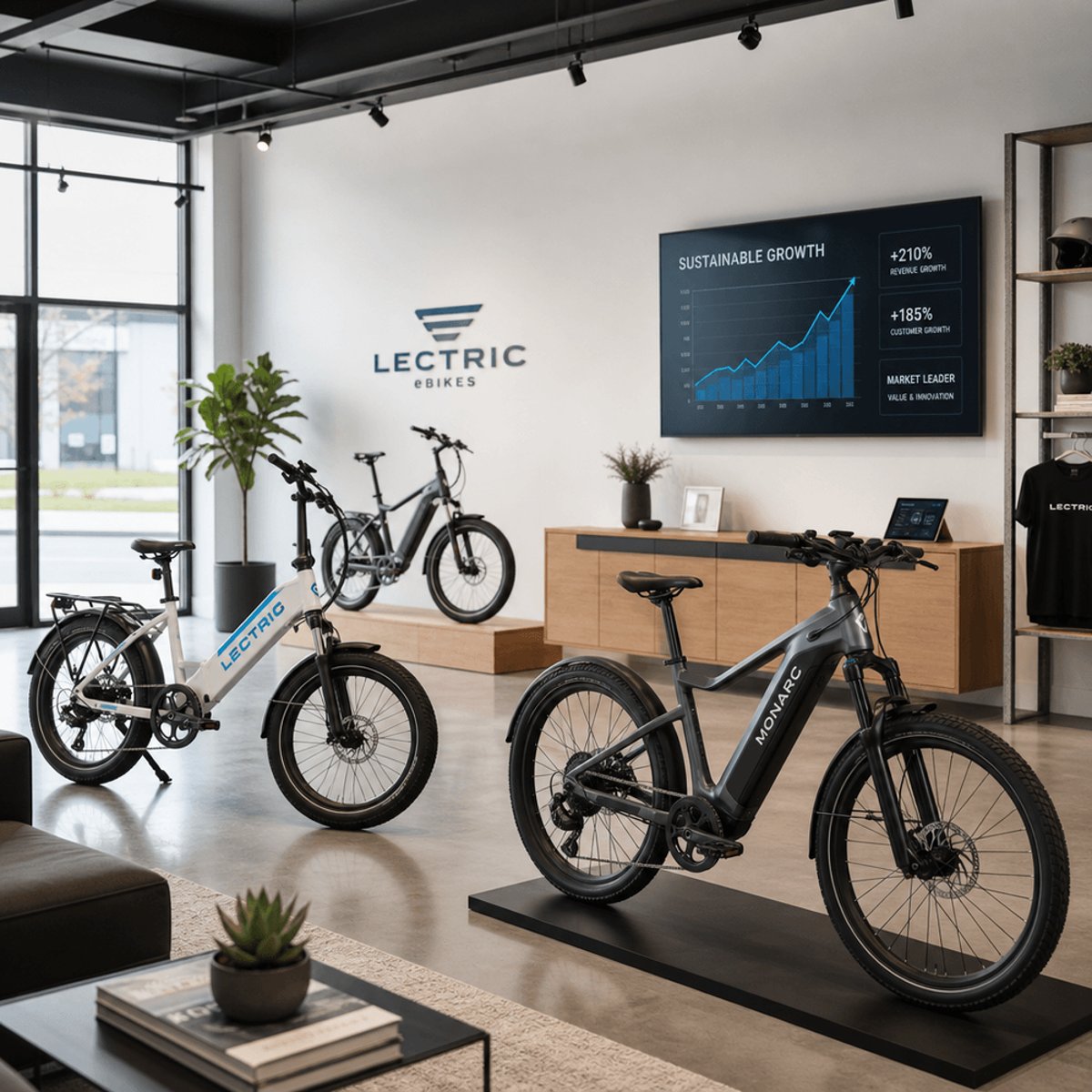
Lectric's three new brands - including Monarc, which targets the premium segment - represent a calculated bet that consolidation creates opportunity. The company sees white space left behind by bankrupt competitors and overleveraged players retreating from the market. It's a fundamentally different strategy from the land-grab mentality that defined the VC era.
The e-bike industry's rise followed a familiar pattern. Pandemic lockdowns sparked massive consumer interest in alternative transportation. Startups raised huge rounds - often before proving unit economics - and spent aggressively on inventory, marketing, and infrastructure. When demand normalized and supply chains snarled, the high fixed costs became crushing.
Lectric took a different path entirely. The company focused on operational efficiency, maintained lean overhead, and prioritized profitability over hyper-growth. That boring approach looks prescient now. Without the pressure to deliver venture-scale returns, Lectric could weather market volatility and make long-term bets on brand development.
The bankruptcy wave that swept through e-bike startups mirrors broader challenges in venture-backed consumer hardware. Companies in this category face brutal economics - thin margins, inventory risk, customer acquisition costs - that don't map neatly onto software-style growth curves. VCs expect exponential returns, but consumer hardware often delivers linear, capital-intensive growth.
Lectric's expansion into multiple brands also reflects strategic sophistication that cash-strapped competitors couldn't execute. Rather than fighting for the same customers, the company is segmenting the market with distinct products at different price points. Monarc targets premium buyers while the core Lectric brand stays focused on value-conscious consumers.
Industry watchers see Lectric's trajectory as validation for bootstrap models in hardware. "The venture capital approach works brilliantly for software, but hardware is different," one analyst told TechCrunch. "You need sustainable unit economics from day one, not promises of future profitability."
The timing of Lectric's brand launches suggests the company has been preparing for this moment. Developing new brands takes time - product design, supply chain setup, marketing strategy. That Lectric had three ready to deploy as competitors faltered indicates strategic planning, not opportunistic scrambling.
What's less clear is whether the e-bike market can support multiple thriving brands long-term. The industry's consolidation isn't finished. Traditional bike manufacturers like Trek and Specialized have e-bike lines with established dealer networks. Chinese manufacturers are pushing into the U.S. market with aggressive pricing. And Amazon now sells numerous e-bike brands directly.
Lectric faces its own challenges too. Bootstrapped growth means limited resources for the brand-building and retail expansion that premium positioning often requires. The company will need to prove it can manage multiple brands without diluting focus or overextending operationally. And macroeconomic headwinds - rising interest rates, inflation, consumer caution - could squeeze demand across all segments.
But for now, Lectric's moment of expansion while rivals contract offers a vivid case study in alternative funding strategies. The company bet on sustainability over speed, profitability over growth metrics, and operational discipline over market share grabs. Those choices positioned it to expand precisely when venture-backed competitors ran out of runway.
Lectric's expansion amid industry wreckage proves there's more than one way to build a consumer hardware company. While the venture capital approach delivered spectacular growth followed by spectacular failures, the bootstrapped model delivered something potentially more valuable - staying power. Whether Lectric can manage three brands successfully remains to be seen, but the company's counter-cyclical bet looks smarter by the day. For founders in consumer hardware, the lesson is clear: sometimes the slow, profitable path beats the fast, funded one. And for the e-bike industry, consolidation is creating exactly what Lectric predicted - space for companies with sustainable economics to compete and grow.