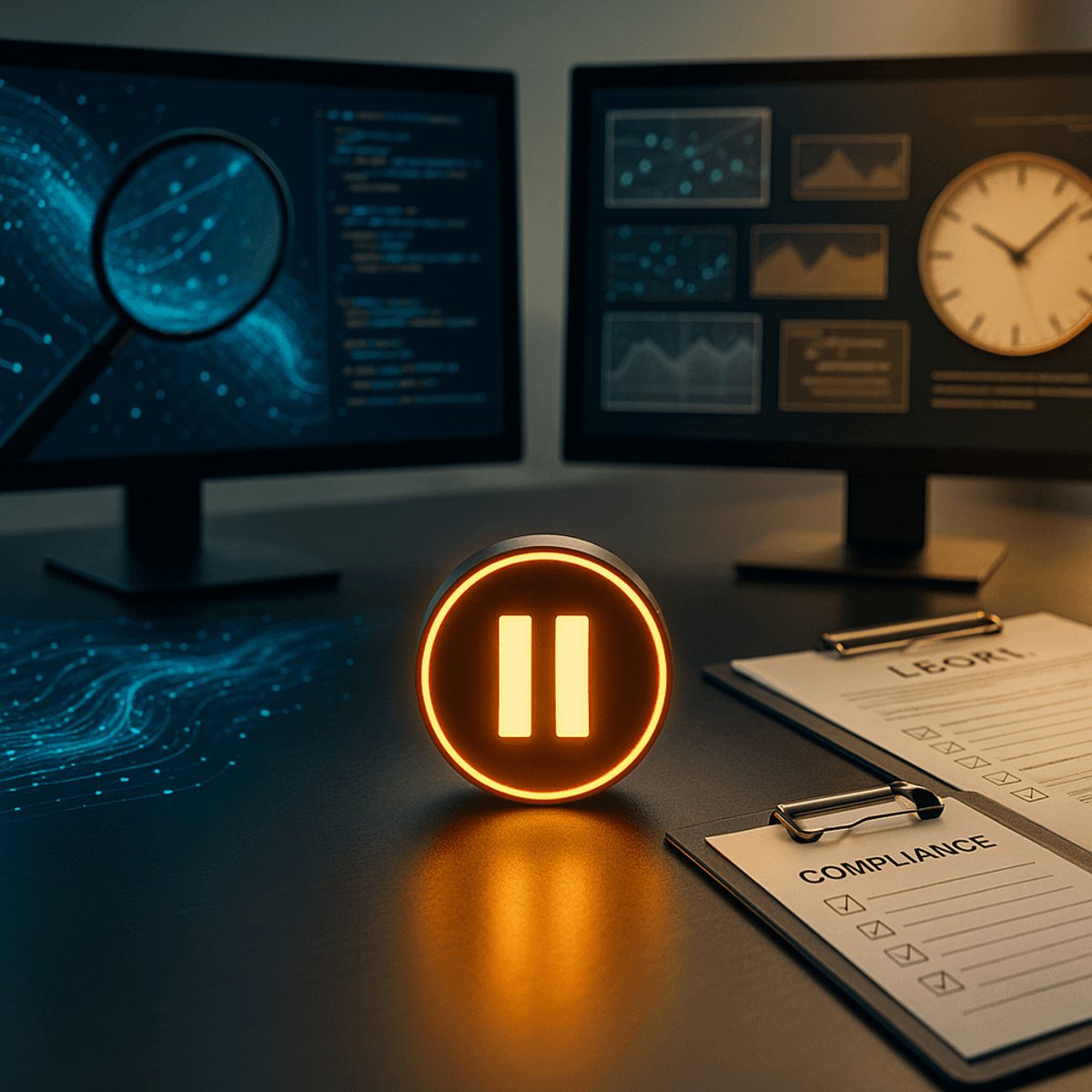
ByteDance has hit pause on the global launch of Seedance 2.0, its highly anticipated AI video generator, as the company's legal and engineering teams scramble to address potential copyright and intellectual property issues. The delay marks a significant setback in ByteDance's race against OpenAI, Google, and other rivals flooding the generative AI video market, and signals growing caution among tech giants navigating murky legal waters around AI training data.
ByteDance just pumped the brakes on what was supposed to be its answer to the AI video generation boom. The company behind TikTok has quietly shelved plans to launch Seedance 2.0 globally while its legal team dissects potential landmines in copyright law, TechCrunch reports.
The timing couldn't be more awkward. ByteDance was positioning Seedance 2.0 as a direct challenger to OpenAI's Sora and Google's Veo, tools that transform text prompts into slick video clips in seconds. But while competitors rush to market, ByteDance is stuck in what sources describe as intensive legal review sessions, with engineers and attorneys working overtime to ensure the product won't trigger the kind of lawsuits that have plagued other generative AI tools.
The concern is straightforward but thorny: did ByteDance train Seedance 2.0 on copyrighted video content without permission? It's the same question dogging nearly every generative AI company right now. OpenAI faces ongoing litigation from The New York Times and other publishers over alleged copyright violations in training data. Stability AI, maker of image generator Stable Diffusion, is battling artists in court. And GitHub, owned by Microsoft, settled a class-action lawsuit over its AI coding assistant's use of open-source code.
ByteDance apparently watched those courtroom dramas unfold and decided to tap the brakes before joining them. The company hasn't commented publicly on the delay, but people familiar with the matter say the legal review is focusing on data provenance - basically, making sure ByteDance can prove where every training video came from and whether it had the right to use it.
This isn't ByteDance's first rodeo with Seedance. The company quietly launched version 1.0 in China last year, where it gained modest traction among content creators looking to automate video production. But the global market is a different beast, with stricter copyright enforcement in the US and Europe and a growing backlash against AI companies treating the entire internet as free training data.
The pause puts ByteDance in a strategic bind. The AI video generation market is heating up fast. Meta recently integrated video generation into its creative tools. Adobe is rolling out AI video features in Premiere Pro. And Runway, a well-funded startup, keeps pushing the boundaries of what's possible with text-to-video models. Every week ByteDance waits is another week competitors grab market share and set user expectations.
But rushing a product to market only to face crippling litigation could be far worse. Just ask Clearview AI, which built a facial recognition empire on scraped photos and now faces regulatory bans across multiple countries. Or consider how Stability AI's legal troubles have complicated its fundraising and partnerships.
The delay also reveals a broader shift in how AI companies are approaching launches. The move-fast-and-break-things era is colliding with legal reality. Companies that once would have launched first and dealt with consequences later are now bringing lawyers into product development from day one. It's a recognition that generative AI's legal framework remains unsettled, with courts still working through fundamental questions about fair use, transformative works, and whether training AI models constitutes copyright infringement.
For ByteDance specifically, there's an added wrinkle: heightened scrutiny from US regulators already suspicious of the company's data practices and Chinese ownership. Launching an AI product with questionable training data provenance could hand critics ammunition and complicate ByteDance's ongoing efforts to keep TikTok operating in the US market.
What happens next likely depends on what ByteDance's legal review uncovers. Best case scenario, the company can document clean training data sources, maybe ink some licensing deals with stock footage providers, and relaunch within weeks. Worst case, engineers have to retrain the entire model from scratch using only licensed or public domain content - a process that could take months and potentially degrade the model's performance.
ByteDance's decision to pause Seedance 2.0 is less a stumble and more a sign that the AI industry is finally reckoning with the legal mess it created by training models on whatever data was convenient. Whether this delay protects ByteDance from future lawsuits or just allows competitors to lap them remains to be seen. But it's a clear signal that the wild west phase of generative AI is ending, replaced by a new reality where lawyers review training datasets as carefully as engineers tune model parameters. For anyone watching the AI video generation space, the question isn't just who can build the best model anymore - it's who can do it without ending up in court.