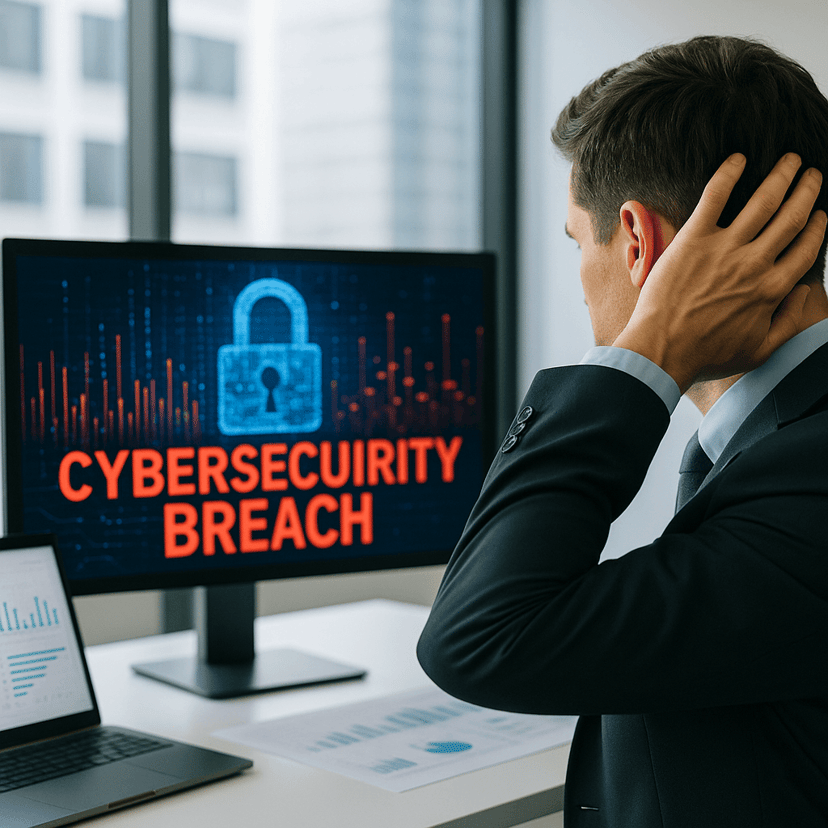
Park Dae-jun, CEO of South Korean e-commerce giant Coupang, resigned Wednesday following a massive data breach affecting nearly 34 million customers. The breach, revealed November 18, has triggered government investigations and highlighted the growing accountability crisis facing tech executives over cybersecurity failures.
The resignation of Park Dae-jun from Coupang marks one of the most dramatic executive departures in Asian tech this year. The CEO's decision comes less than three weeks after the company disclosed that hackers had accessed personal information for nearly 34 million customers - roughly two-thirds of South Korea's population.
"I am deeply sorry for disappointing the public with the recent personal information incident," Park said in his resignation statement, according to Coupang's official announcement. "I feel a deep sense of responsibility for the outbreak and the subsequent recovery process, and I have decided to step down from all positions."
The breach has sent shockwaves through South Korea's tech sector, where data privacy regulations have tightened significantly in recent years. Police conducted their second consecutive raid of Coupang's Seoul headquarters Wednesday, with investigators focusing on a Chinese national who formerly worked for the company. According to Yonhap News Agency, the search warrant specifically names this ex-employee as a suspect for "breaching the information and communications network and leaking confidential data."
Park's departure represents a stunning fall for an executive who'd been climbing Coupang's ranks since 2012. He became sole CEO just seven months ago in May, when the company transitioned away from its dual-CEO structure. During his tenure, Park led the expansion of sales channels for small and medium enterprises and spearheaded new business development across the region.
Harold Rogers, Coupang's Chief Administrative Officer and General Counsel, now steps in as interim CEO. The company says Rogers will "focus on alleviating customer anxiety caused by the personal information leak" while working to stabilize operations. It's a massive challenge for Rogers, who must navigate both the technical aftermath of the breach and the political firestorm it's created.
The government response has been swift and severe. Prime Minister Kim Min-seok warned Wednesday that "strict action would be taken against the company if violations of the law were found," according to Yonhap. President Lee Jae Myung has called the incident a "wake-up call" and is pushing for increased penalties on companies that suffer data breaches.
This crisis highlights the growing accountability pressure on tech executives globally. While data breaches have become commonplace, the expectation that CEOs personally answer for security failures is intensifying - especially in markets like South Korea where government oversight of tech companies continues to strengthen.
For Coupang, which has positioned itself as South Korea's answer to Amazon, the timing couldn't be worse. The company has been investing heavily in logistics infrastructure and expanding its marketplace platform to compete with global rivals. Now it must rebuild customer trust while under active investigation by authorities who've made tech regulation a priority.
The investigation's focus on a Chinese national also adds geopolitical tension to an already complex situation. As data security becomes increasingly tied to national security concerns across Asia, companies like Coupang face heightened scrutiny over their international hiring practices and data handling procedures.
Park's resignation signals that the era of tech executives avoiding personal consequences for major security failures may be ending. As governments worldwide strengthen data protection laws and public expectations for corporate accountability rise, CEOs can no longer treat breaches as operational hiccups. For Coupang, the real test begins now - whether Rogers can restore customer confidence while navigating an investigation that could reshape how Asia's tech giants approach cybersecurity governance.