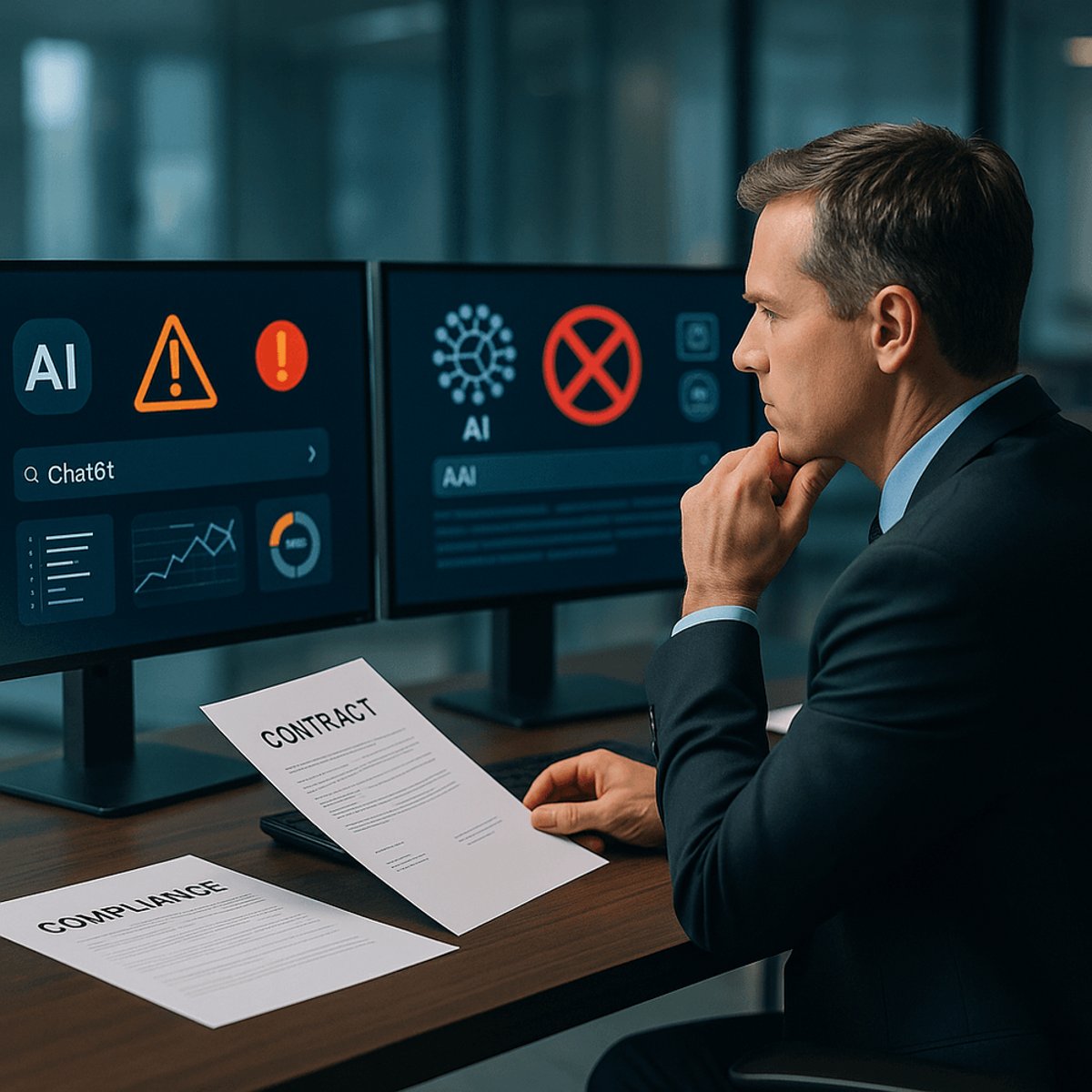
The Pentagon's blacklist of Anthropic is triggering a commercial shakeout across the defense tech sector. Government contractors are now abandoning Claude en masse, choosing between lucrative federal contracts and access to one of the industry's most advanced AI models. The exodus marks a dramatic escalation from last week's policy dispute to real business consequences, with companies forced into a binary choice that could reshape the AI-defense landscape for years.
Anthropic is watching its defense tech customer base evaporate. Days after the Pentagon added the AI startup to a procurement blacklist, government contractors are making the painful decision to rip out Claude and switch to competing models, according to a CNBC report.
The exodus isn't voluntary. Defense contractors that work with the Department of Defense face a binary choice: keep using Claude and risk losing federal contracts worth potentially billions, or abandon what many consider one of the most capable large language models on the market. Most are choosing their government business over their AI vendor.
This represents a dramatic escalation from the initial blacklist announcement, which seemed like a policy skirmish between Anthropic and the Pentagon. Now it's translating into real commercial damage, with the company's enterprise revenue from the defense sector essentially going to zero overnight.
The timing couldn't be worse for Anthropic. The company has been positioning itself as the responsible AI player, emphasizing safety and constitutional AI principles that should theoretically appeal to government customers. But those same principles appear to have contributed to the clash with Pentagon requirements, creating an ironic outcome where safety-focused positioning costs them the most risk-averse customer segment.
Defense tech companies now face a technical nightmare. Migrating from one AI model to another isn't like switching email providers. Applications built on Claude's API need to be rewritten, prompts optimized for different model behaviors, and entire workflows retested. The sudden forced migration will likely cost contractors months of engineering time and create operational gaps in AI-powered defense systems.
The commercial impact extends beyond immediate contract losses. Defense work often serves as a validation signal for enterprise customers in other regulated industries like healthcare and financial services. If Anthropic can't meet Pentagon requirements, CIOs at banks and hospitals might start questioning whether the company can handle their compliance needs too.
Competing AI providers are likely celebrating. OpenAI, Google, and Microsoft all have active defense relationships and cleared models that meet Pentagon standards. They're now positioned to capture displaced Claude users, potentially locking them into long-term contracts while Anthropic fights to get off the blacklist.
The situation also exposes the fragility of AI vendor relationships. Unlike traditional enterprise software with lengthy procurement cycles and exit costs, AI models can be blacklisted or abandoned relatively quickly. This creates a new category of vendor risk that procurement teams are still learning to evaluate.
For defense contractors, the Claude exodus creates uncomfortable dependencies on a smaller pool of approved AI providers. Vendor concentration increases negotiating leverage for the remaining players and reduces competitive pressure on pricing and capabilities. The Pentagon's blacklist might have just made the approved AI vendors more powerful.
The broader AI industry is watching this unfold as a potential preview of regulatory dynamics to come. As governments worldwide develop AI governance frameworks, the ability to suddenly cut off market access to entire customer segments could become a standard policy tool. Companies banking on regulated industry revenue need contingency plans for overnight blacklists.
Anthropics path forward looks increasingly difficult. Even if the company resolves whatever compliance issues triggered the blacklist, rebuilding trust with defense customers who just went through painful migrations will take years. And those customers now have sunk costs in competing platforms, creating switching barriers that work against Anthropic.
The defense tech exodus also raises questions about Anthropic's overall enterprise strategy. If taking principled stances on AI safety and use cases costs them entire market verticals, how sustainable is the company's positioning? The tension between values-driven product development and commercial pragmatism is getting tested in real time with measurable revenue impact.
The Claude exodus from defense tech marks a watershed moment for AI vendor risk. What started as a policy dispute between Anthropic and the Pentagon has metastasized into a full commercial crisis, with the company losing an entire customer vertical overnight. For defense contractors caught in the middle, the forced migration creates operational chaos and uncomfortable dependencies on a shrinking pool of approved providers. The situation serves as a harsh reminder that in regulated industries, vendor relationships can evaporate as quickly as they're built, and principled stances on AI development sometimes come with measurable costs that show up on the balance sheet.