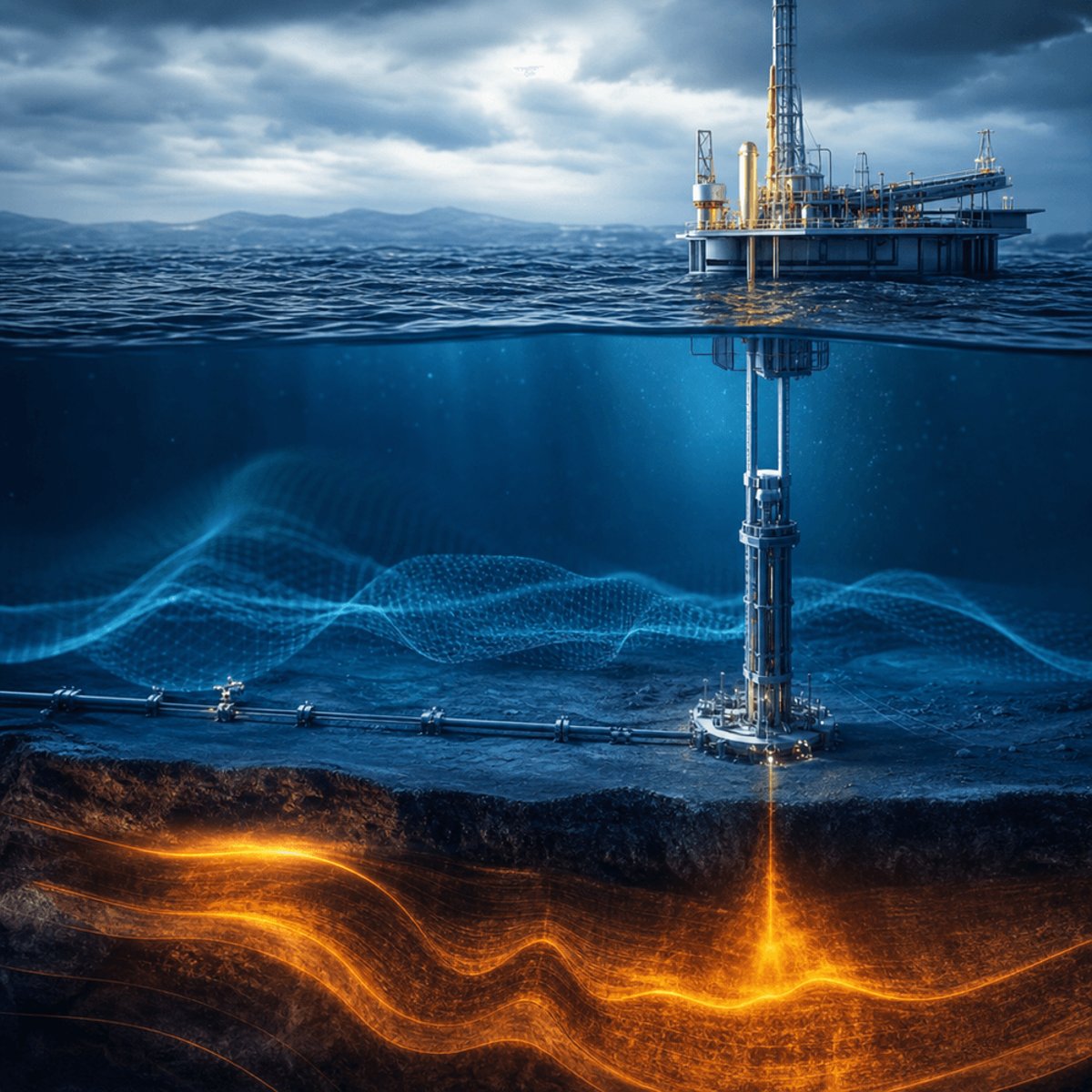
A former SpaceX engineer just landed $54 million to chase one of the planet's most abundant yet underutilized energy sources: the heat beneath the ocean floor. Endurance Energy, led by founder Andrew Redd, closed the Series A round to commercialize ocean-based geothermal technology, a bet that could unlock massive renewable energy capacity far beyond what traditional land-based geothermal can deliver. The funding signals growing investor appetite for climate tech that tackles infrastructure-scale challenges.
Endurance Energy just pulled in $54 million to do something the energy industry has barely attempted: extract geothermal power from beneath the ocean. The Series A round, exclusively reported by TechCrunch, marks one of the largest climate tech bets on offshore geothermal technology to date.
Founder Andrew Redd brings SpaceX engineering credentials to a problem that's stumped the renewable energy sector for decades. While land-based geothermal has proven itself in volcanic regions like Iceland and parts of California, the vast majority of Earth's geothermal resources sit beneath the ocean floor, inaccessible with current technology. Redd's thesis is that the ocean holds exponentially more energy potential than terrestrial sites, if you can solve the engineering challenges of working underwater.
The funding comes as data centers and AI infrastructure create unprecedented demand for clean, baseload power. Unlike solar and wind, geothermal delivers constant energy output without weather dependency, making it attractive for tech companies chasing carbon-neutral operations. Microsoft, Google, and Amazon have all signed geothermal power purchase agreements in recent months, signaling corporate appetite for the technology.
But ocean geothermal is an entirely different beast than drilling on land. Subsea operations require specialized equipment that can withstand extreme pressure and corrosive saltwater environments while maintaining thermal efficiency. The technology essentially combines offshore oil and gas drilling expertise with geothermal energy extraction, a crossover that's remained largely theoretical until now.
Redd's SpaceX background offers clues to Endurance's approach. Aerospace engineering emphasizes lightweight, durable materials and systems that function in hostile environments, principles that translate directly to subsea energy infrastructure. The company is likely leveraging advanced materials science and automation to make ocean geothermal economically viable.
The $54 million Series A positions Endurance to move from lab research to pilot deployments. Early-stage geothermal projects typically require tens of millions just to drill test wells and validate resource quality. Ocean projects add layers of complexity and cost, from seafloor surveying to subsea power transmission back to shore.
Investor interest in the round suggests confidence that Redd can navigate these hurdles. While TechCrunch didn't disclose the lead investors, the climate tech funding environment has matured significantly, with specialized firms like Breakthrough Energy Ventures and Lowercarbon Capital backing infrastructure-heavy decarbonization plays.
The competitive landscape for next-generation geothermal is heating up. Enhanced geothermal systems, which drill deeper than conventional projects to access heat anywhere, have attracted billions in investment. Fervo Energy recently demonstrated commercial viability with projects powering Google data centers, while Sage Geosystems is testing closed-loop systems that don't require underground water reservoirs. Endurance's ocean focus differentiates it from these land-based competitors but also means proving an entirely new category.
What makes ocean geothermal compelling is scale. The Pacific Ring of Fire alone contains enormous subsea volcanic activity, and tectonic plate boundaries under the ocean generate heat across thousands of miles. If Endurance can demonstrate reliable energy extraction, the addressable market extends to coastal regions globally, particularly island nations and areas without access to traditional geothermal resources.
The technology could also serve offshore energy islands or power subsea data centers, concepts that several tech giants are exploring to solve cooling and power density challenges. Underwater facilities naturally benefit from seawater cooling, and collocating them with ocean geothermal would create self-sufficient energy ecosystems.
Redd hasn't disclosed specific deployment timelines or commercial partners yet, but the funding round suggests pilot projects are imminent. Geothermal development typically follows a multi-year pathway from resource assessment through drilling, testing, and grid connection. Ocean projects will likely take longer given regulatory complexity around offshore operations and environmental permitting.
The $54 million also signals that climate tech investors are willing to back capital-intensive infrastructure plays with longer payback periods. After years of funding software-centric climate solutions, venture capital is increasingly flowing to hardware and industrial technologies that can deliver gigawatt-scale decarbonization.
Endurance Energy's $54 million raise puts ocean geothermal on the map as a serious contender in the race for clean baseload power. Redd's SpaceX pedigree and the size of the Series A suggest this isn't just another speculative climate tech play - it's a bet on fundamentally expanding where and how we can harness geothermal energy. If the technology proves out, it could unlock renewable energy resources that dwarf what's accessible on land. The real test comes next: whether Endurance can translate offshore engineering expertise into commercial energy production before the capital runs out. For now, investors are betting that the ocean's untapped heat is worth the risk.