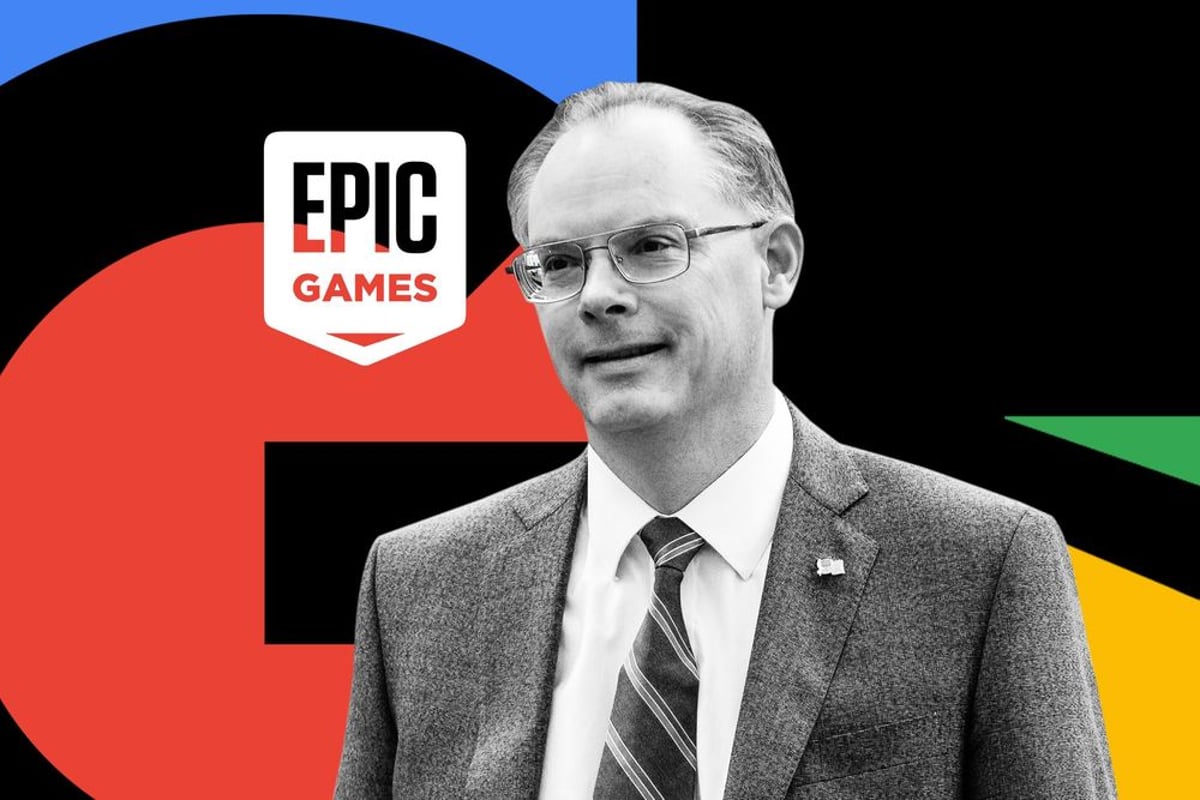
The courtroom showdown that could reshape Android's future is happening now. Epic CEO Tim Sweeney and Google Android boss Sameer Samat are sitting before Judge James Donato, trying to convince him their surprise settlement can resolve Google's illegal monopoly on Android app stores. After five years of bitter litigation, a unanimous jury verdict, and failed appeals all the way to the Supreme Court, the former enemies are now asking the judge to bless a deal that would reduce app store fees globally - but critics worry it might let Google off too easy.
Google and Epic Games just walked into a federal courtroom with a peace treaty no one saw coming. After half a decade of legal warfare that ended with a jury declaring Google's Android app store an illegal monopoly, the two tech giants are now asking Judge James Donato to approve a settlement that could reshape how millions of developers do business - or let Google maintain its grip with a fresh coat of paint.
The scene inside the San Francisco courthouse tells the whole story. Epic CEO Tim Sweeney, the man who triggered this battle by yanking Fortnite from the Google Play Store in August 2020, is sitting alongside Sameer Samat, the Google executive who oversees the very Android ecosystem Epic spent years attacking. They're not here to fight. They're here to sell Judge Donato on the idea that their negotiated truce serves justice better than the court-ordered remedies he handed down.
Those remedies were harsh. After a jury unanimously sided with Epic in December 2023, finding Google maintained an illegal monopoly through anticompetitive practices, Judge Donato ordered Google to crack open Android in the United States. The injunction forced Google to host rival app stores inside its own Google Play Store and stripped away numerous barriers that kept competitors at bay. An appeals court upheld the verdict, and when Google begged the Supreme Court to intervene, the justices refused.
Now Epic and Google are presenting Donato with what they're calling a better path forward. Under the proposed settlement, Google would reduce its app store fees not just in the U.S., but globally. That's a major concession that would put more money in developers' pockets worldwide, making app development more profitable from Seoul to São Paulo. Google would also launch a Registered App Stores program designed to let rival marketplaces operate on Android with less friction than before.
But there's a catch that has critics worried. Those rival app stores might still operate under Google's thumb, subject to complicated fee arrangements that could preserve Google's financial leverage. The settlement creates new structures without necessarily dismantling Google's control over the Android ecosystem - exactly the kind of arrangement that might fail to address the core monopoly problem the jury identified.
Google's playing hardball with an implicit threat. If Judge Donato rejects the settlement and sticks with his original injunction, Google is ready to roll out alternative fee programs that app makers might hate even more. Under these programs, developers who want to bypass Google's payment systems would have to immediately enroll in rigid new frameworks where they pay Google multiple dollars per app download in exchange for only marginally lower fees. It's a move that could squeeze developers harder than the current system.
The two companies are acting like the deal is already done. Epic's blockbuster game Fortnite returned to the Google Play Store after years of absence, and both sides have issued public statements of mutual support. The sudden détente feels surreal after years of scorched-earth litigation that exposed internal Google documents, Project Hug payments to keep developers loyal, and systematic efforts to suppress competition.
Judge Donato isn't buying the lovefest. He's been publicly skeptical about Epic and Google suddenly becoming "BFFs," as Law360's Bonnie Eslinger reported back in November. That skepticism is why Sweeney and Samat are in his courtroom today, along with Epic's expert economics witness Doug Bernheim, a Stanford professor who testified about market dynamics during the trial, and Google regulatory affairs director Lara Kollios.
The judge wants answers about how this settlement serves the public interest, not just the interests of two massive companies that would prefer to control their own destiny rather than live under court supervision. Antitrust remedies are supposed to restore competition and prevent future harm. Does this deal accomplish that, or does it let Google preserve its dominance through a cleverly structured compromise?
The stakes extend far beyond Epic and Google. This case has become a referendum on platform power in the mobile era, with implications for how Apple runs its iOS App Store, how console makers manage their digital storefronts, and how any platform holder can leverage control over distribution to extract rents from developers. A weak settlement could signal that even when companies lose monopoly cases, they can negotiate their way out of meaningful consequences.
Developers are watching nervously. Some welcome the promise of lower fees and less friction for alternative app stores. Others worry the settlement preserves Google's gatekeeper role through complex fee structures and registration requirements that give the appearance of openness without the substance. The Registered App Stores program sounds promising until you read the fine print about what Google could still control.
The courtroom proceedings are unfolding through live coverage on The Verge's StoryStream, where reporters are posting real-time updates as Sweeney, Samat, and the other negotiators explain how they reached this surprising accord. Judge Donato isn't expected to rule today, but his questions and reactions will signal whether he sees this settlement as justice served or justice deferred.
For context, Vox Media, The Verge's parent company, has its own lawsuit against Google over the company's ad tech monopoly - a reminder that Google's legal troubles extend far beyond app stores into multiple corners of its business empire.
This hearing represents a pivotal moment in the fight over platform power. If Judge Donato approves the settlement, it signals that tech giants can negotiate favorable exits even after losing monopoly cases. If he rejects it and enforces his original injunction, Google faces the prospect of genuinely opening Android to competition for the first time - or retaliating with fee structures that could hurt developers even more. Either way, the decision will reverberate through every platform ecosystem where a gatekeeper controls access to users. Developers, rival app stores, and anyone who cares about competition in digital markets should be watching what happens when former enemies suddenly make peace.