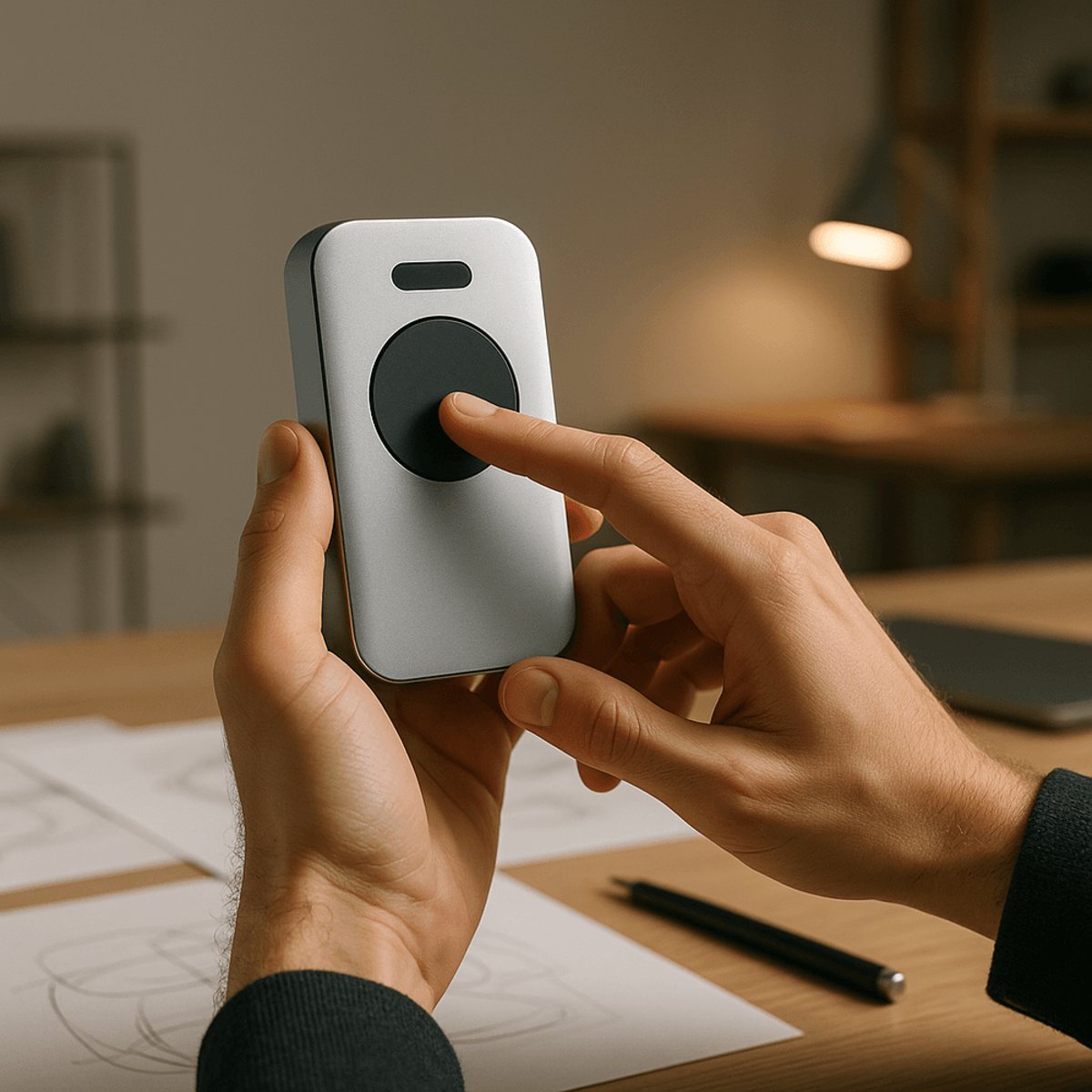
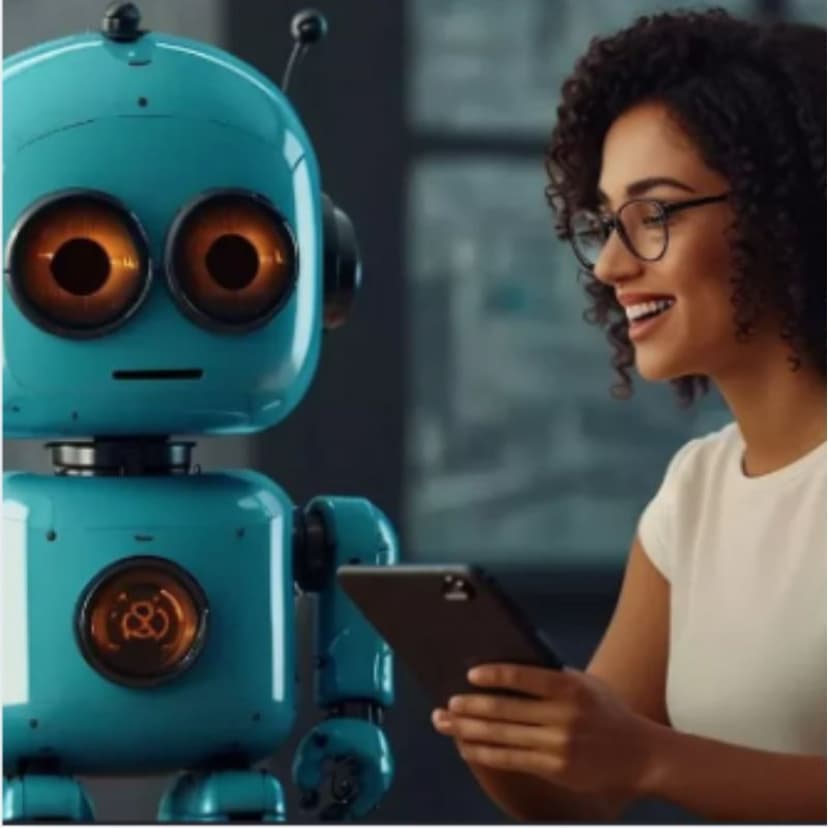
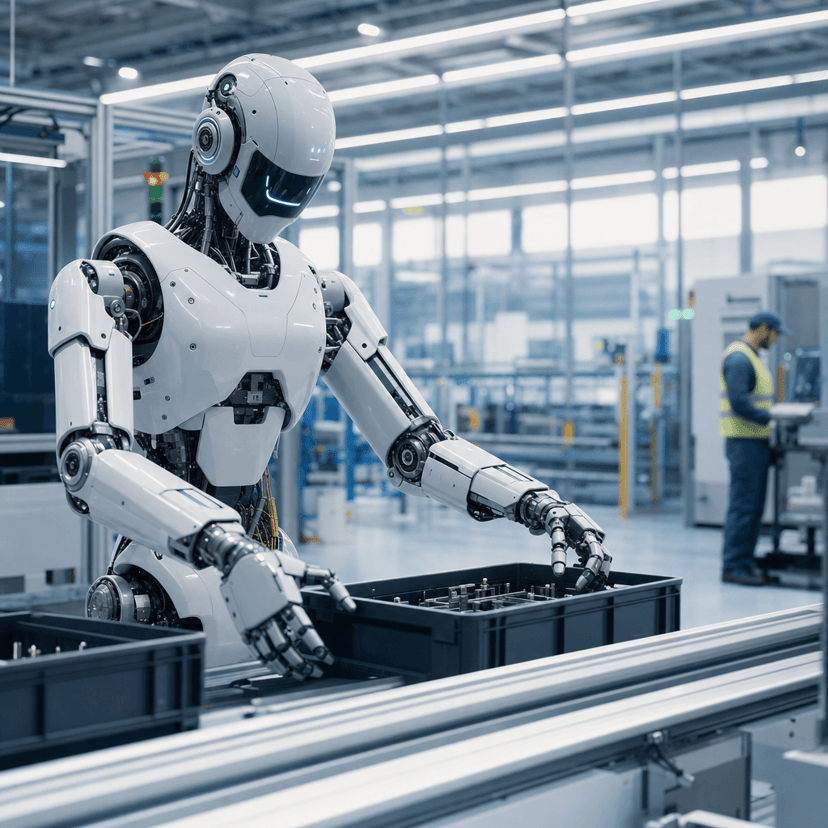
A former Apple designer is stepping out of the shadows as lead designer for Hark, a startup founded by Brett Adcockthat's taking on one of AI's biggest unsolved problems: making the technology feel as intuitive as the iPhone. The company plans to design AI models, hardware, and interfaces simultaneously to deliver what it calls a "seamless end-to-end personal intelligence product," according to an exclusive report from TechCrunch. It's a bold bet that the future of AI won't just be better software, but an entirely new class of consumer device.
The details are sparse, but the ambition is clear. Hark is betting that the next breakthrough in artificial intelligence won't come from scaling up OpenAI-style language models, but from rethinking the entire stack from silicon to software. The company's strategy of co-designing models, hardware, and user interfaces echoes Apple's legendary playbook—the same approach that made the iPhone a category-defining product rather than just another smartphone.
That pedigree matters. Apple has spent decades perfecting the art of vertical integration, designing custom chips like the M-series processors while simultaneously building the operating systems and apps that run on them. The result is products that feel cohesive in ways competitors struggle to match. Hark appears to be applying that same philosophy to the messy, fragmented world of consumer AI, where powerful language models are shoehorned into clunky chat interfaces or bolted onto existing devices as afterthoughts.
The timing couldn't be more relevant. We're witnessing a surge of AI hardware startups convinced that smartphones and laptops aren't the right form factors for ambient intelligence. Humane's AI Pin promised a post-phone future but struggled with basic functionality. Rabbit's R1 device generated massive pre-orders before reviewers discovered it was essentially an Android app in a bright orange box. Even Meta took a swing with Ray-Ban smart glasses that integrate AI assistants, finding modest success by keeping expectations realistic.
What makes Hark's approach different is the emphasis on building the AI models themselves, not just licensing technology from OpenAI or Google. That's a massive technical and financial undertaking. Training competitive AI models requires hundreds of millions of dollars in computing infrastructure and access to scarce AI talent. But it also offers potential advantages: models optimized specifically for the hardware they'll run on, with interfaces designed around the model's actual capabilities rather than generic chat paradigms.
The "personal intelligence" framing is telling. It suggests Hark isn't chasing the general-purpose assistant dream that has eluded tech giants for years. Instead, the company seems focused on specific use cases where tight integration between hardware, software, and AI could deliver experiences that feel magical rather than merely functional. Think less "answer any question" and more "anticipate what you need before you ask."
Industry observers have long argued that AI's interface problem is as important as its capability problem. Microsoft poured billions into integrating GPT-4 across its product line, but adoption has been uneven because the chat interface doesn't fit naturally into workflows. Google faces similar challenges with Gemini, discovering that adding AI to everything doesn't necessarily make anything better. The most successful AI products tend to be narrowly focused—GitHub Copilot for coding, Midjourney for images—where the interface matches the task.
Hark's challenge is enormous. Building hardware is brutally expensive with razor-thin margins. Training AI models demands continuous investment as competitors advance. And consumer patience for half-baked AI gadgets is wearing thin after a parade of overhyped launches. The company will need to nail the product experience in ways that justify both the development costs and whatever premium price tag comes with custom hardware.
But there's a reason Apple alumni command attention in startup land. They've seen firsthand how thoughtful design and vertical integration can create products that define categories rather than chase trends. If Hark can channel even a fraction of that discipline while moving at startup speed, they might just crack the code on making AI feel as natural as touching glass to scroll through photos once did.
The broader implications extend beyond one startup's ambitions. Every major tech company is wrestling with the same question: what's the right interface for AI? Apple itself has been conspicuously cautious about AI hardware, instead embedding intelligence features into existing devices. Amazon's Alexa vision of voice-everywhere has stalled. Meta's metaverse bet assumed AI would live in virtual worlds. No one has the answer yet, which means the opportunity is still wide open for a dark horse to emerge.
The "end-to-end" language in Hark's positioning also hints at lessons learned from failed AI hardware launches. Too many startups have tried to paper over gaps in capability with clever marketing, shipping products before the underlying technology could deliver on promises. Hark's emphasis on controlling the full stack suggests they understand that half-measures won't cut it—the product needs to work seamlessly or it won't work at all.
Hark's launch represents a bet that AI's next phase requires purpose-built hardware designed alongside the intelligence it delivers. Whether that vision can overcome the brutal economics of hardware startups and the high bar consumers now have for AI products remains to be seen. But with Apple design DNA and a strategy that prioritizes integration over feature checklists, Hark is at least asking the right questions. In a field cluttered with chatbots and vaporware, that focus on fundamentals might be exactly what breaks AI out of the smartphone screen and into the ambient computing future everyone keeps promising. The real test won't be the technology specs or the pitch deck—it'll be whether consumers can pick up whatever Hark ships and immediately understand why it needed to exist.