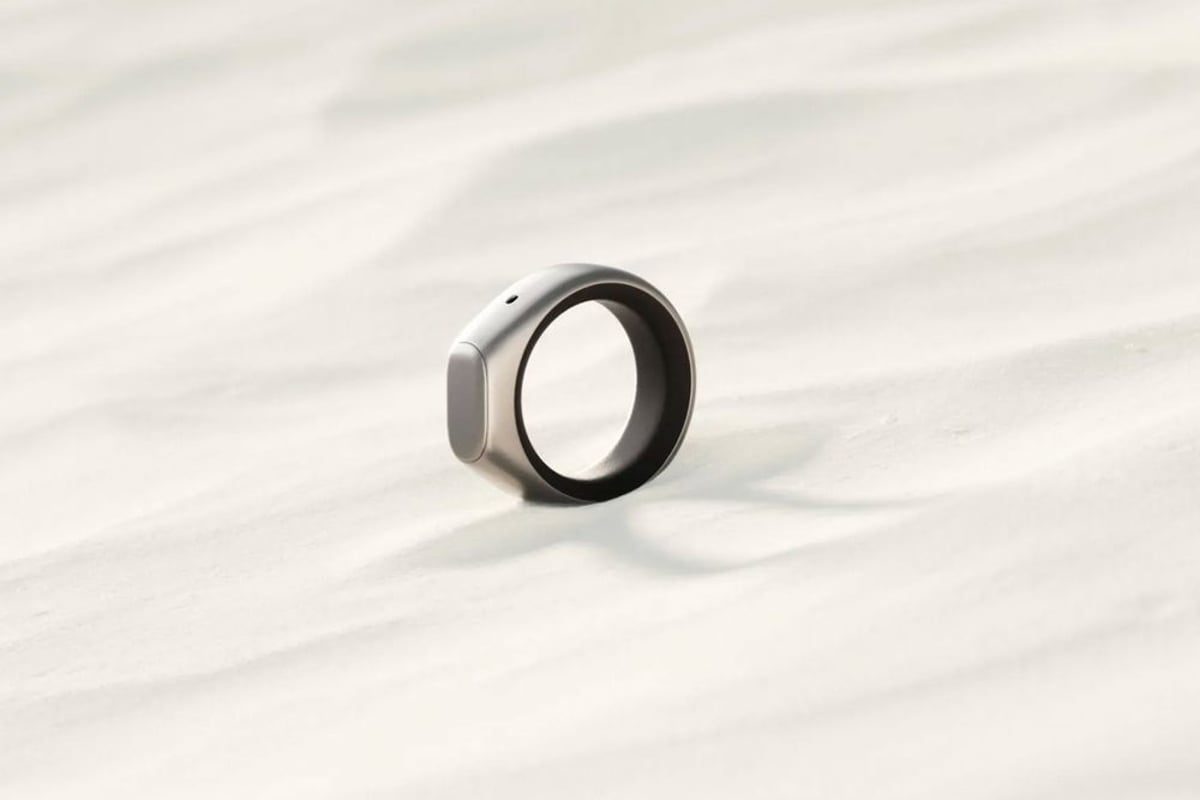
Former Meta neural interface engineers just launched something that could reshape how we capture fleeting thoughts. The Stream Ring from startup Sandbar promises to record and transcribe your whispered notes in any setting, with preorders starting at $249 and shipping summer 2026. It's the latest AI wearable aiming to make our devices disappear while keeping us constantly connected.
The AI wearable space just got another major player, and this one's coming from some serious pedigree. Sandbar, founded by former employees of the neural interface startup CTRL-Labs that Meta acquired in 2019, just opened preorders for their Stream Ring - an AI-powered smart ring that promises to capture your thoughts the moment they happen.
While competitors like the Friend pendant and Amazon's Bee wristband have grabbed headlines, Stream Ring takes a different approach entirely. The device is designed for what Sandbar calls "self extension" - letting wearers whisper notes to themselves in crowds without anyone noticing.
The pitch is compelling: press a button on the ring's aluminum exterior, whisper your thought, and the device records and transcribes everything to a companion iOS app. From these recordings, the AI creates organized notes and can even engage you in conversation through a personalized chatbot. But here's the twist - the "Inner Voice" chatbot actually sounds like you, built from voice samples collected during setup.
This isn't just another voice recorder with AI slapped on. The Stream Ring doubles as a music controller, though Sandbar hasn't detailed whether it streams directly or connects to phone apps. Users control playback through capacitive touch - one tap pauses, two taps skip tracks, and swiping adjusts volume. The water-resistant aluminum and black resin design includes strategically placed microphone holes and haptic feedback.
The timing couldn't be better for Sandbar. The AI wearable market is heating up as companies race to find the perfect form factor for ambient computing. While Meta pushes forward with its Ray-Ban smart glasses, and Apple reportedly works on its own wearable AI, the ring format offers something unique - complete discretion.
"The microphone is not always listening," Sandbar assures users, addressing privacy concerns that have plagued other AI wearables. Data encryption comes standard, and the button-activated recording system means you control exactly when the device is paying attention.
The business model follows the freemium playbook that's worked for other AI companies. The free version offers unlimited notes and chats, while the Pro tier unlocks advanced features for $10 monthly. Preorder customers get three months of Pro included, which could help build early adoption among power users.
Battery life remains a question mark - Sandbar only promises "all day" usage, which could mean anything from 8 to 24 hours depending on usage patterns. The charging solution is a small disc with a U-shaped holder that wraps around the ring's band, suggesting Sandbar has thought carefully about the daily charging ritual.
What makes this particularly interesting is the Meta connection. CTRL-Labs was working on neural interfaces that could read electrical signals from your brain before Meta acquired them for a reported $1 billion. While Stream Ring doesn't use brain-computer interfaces, the team's background in capturing human intent could give them unique insights into building truly intuitive wearables.
The $249 silver and $299 gold price points position Stream Ring as a premium accessory, not a mass-market gadget. That's smart positioning against existing smart rings like Oura, which focus on health tracking rather than AI interaction. By targeting a different use case entirely, Sandbar avoids direct competition while potentially creating an entirely new product category.
Stream Ring represents a fascinating bet on the future of ambient computing. While other companies chase flashy AI assistants or obvious wearable form factors, Sandbar is betting that the most powerful AI interface is one you barely notice you're using. With summer 2026 still far away, there's plenty of time for competitors to respond - but the former Meta team has clearly thought deeply about making AI feel truly personal. Whether users will embrace whispering to their jewelry remains to be seen, but the concept of frictionless thought capture could define the next generation of wearable computing.