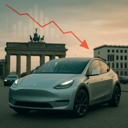
Ford just dealt a major blow to its electric vehicle ambitions. The automaker is indefinitely pausing F-150 Lightning production at its Dearborn plant while prioritizing gas and hybrid trucks, citing better profit margins and reduced aluminum requirements after a catastrophic supplier fire. The move signals Ford's retreat from aggressive EV expansion as it focuses on financial recovery.
Ford just threw cold water on its electric vehicle momentum. The automaker announced Thursday it's keeping F-150 Lightning production paused indefinitely at its Rouge Electric Vehicle Center in Dearborn, Michigan, while fast-tracking gas and hybrid F-150 production instead. The decision marks a stark pivot away from Ford's electric ambitions as financial pressures mount.
The catalyst behind this strategic shift traces back to September 16, when a devastating fire at aluminum supplier Novelis' plant in Oswego, New York severely damaged critical production equipment. That single incident is now costing Ford up to $2 billion in fourth-quarter earnings, according to Thursday's earnings report. Combined with up to $1 billion in tariff headwinds, Ford slashed its full-year profit guidance from $6.5 billion to $6 billion.
"The gas and hybrid F-Series trucks are more profitable for Ford and use less aluminum," the company stated bluntly. It's a telling admission that reveals the uncomfortable economics behind Ford's electric truck program. While the F-150 Lightning holds the crown as America's best-selling electric pickup, the numbers tell a sobering story about scale and profitability.
Ford sold just 10,005 F-150 Lightning pickups in Q3 2025 - a 39.7% year-over-year increase that sounds impressive until you consider the context. Total Ford deliveries hit 545,522 vehicles that quarter, with 207,732 being F-Series trucks. The Lightning's 10,000 units represent less than 5% of total F-Series volume, highlighting the massive gap between electric aspirations and gas-powered reality.
For the full year through September, Ford has moved 23,034 Lightning trucks - barely 1% growth over 2024's pace. Meanwhile, the conventional F-150 remains Ford's cash cow, generating the profits needed to weather supply chain disasters and fund future development. "We have good inventories of the F-150 Lightning and will bring Rouge Electric Vehicle Center back up at the right time, but don't have an exact date," spokesperson Ian Thibodeau told TechCrunch.
That vague timeline speaks volumes about Ford's shifting priorities. Instead of racing to restore electric production, the company is doubling down on what pays the bills. Ford plans to boost F-Series production by more than 50,000 trucks in 2026 by adding a third shift at the Dearborn Truck Plant. The expansion will create up to 1,000 new jobs, with all hourly workers from the idled electric plant getting transferred next door to build gas-powered trucks.
The aluminum shortage created by the Novelis fire has forced Ford into hard choices about resource allocation. Novelis expects to restart its hot mill by December 2025, but Ford isn't waiting around. The company is treating this crisis as an opportunity to optimize for profitability rather than EV market share.
This production halt comes at a critical moment for the electric truck market. Rivals like Tesla continue ramping Cybertruck production, while startups like Rivian fight for market share. Ford's temporary retreat could hand competitors momentum in a segment where first-mover advantage matters enormously.
The broader implications extend beyond trucks to Ford's entire EV strategy. If the company can't make electric F-150s profitable enough to prioritize during a supply crunch, it raises questions about the viability of Ford's electric transition timeline. The automaker has already scaled back some EV investments and delayed certain electric models as demand growth disappointed expectations.
For Ford shareholders, Thursday's news represents both pain and pragmatism. The $2 billion hit from the supplier fire stings, but management's focus on profitable production over ambitious EV targets might actually strengthen the company's financial position. Wall Street has grown increasingly skeptical of automakers burning cash to chase electric market share at any cost.
Ford's decision to indefinitely pause Lightning production while ramping gas truck manufacturing reveals the harsh realities of EV economics during crisis. The company is betting that sacrificing short-term electric momentum for long-term financial stability will pay off. But with competitors gaining ground and the EV transition accelerating, Ford risks falling behind in a market it helped create. The next few quarters will determine whether this move was strategic necessity or a costly retreat from electric leadership.