Ford just made a major play for the commercial fleet software market. The automaker unveiled Ford Pro AI this week at Work Truck Week, an AI-powered assistant that monitors everything from seatbelt usage to driver behavior across its commercial vehicle fleet. The move signals Ford's bet that the real money in automotive isn't just selling trucks anymore - it's the recurring software revenue that comes with managing them.
Ford is making its biggest software push yet in the commercial vehicle space. Ford Pro AI, unveiled this week at Work Truck Week, represents the company's answer to a question plaguing every automaker: how do you turn one-time truck sales into recurring revenue streams?
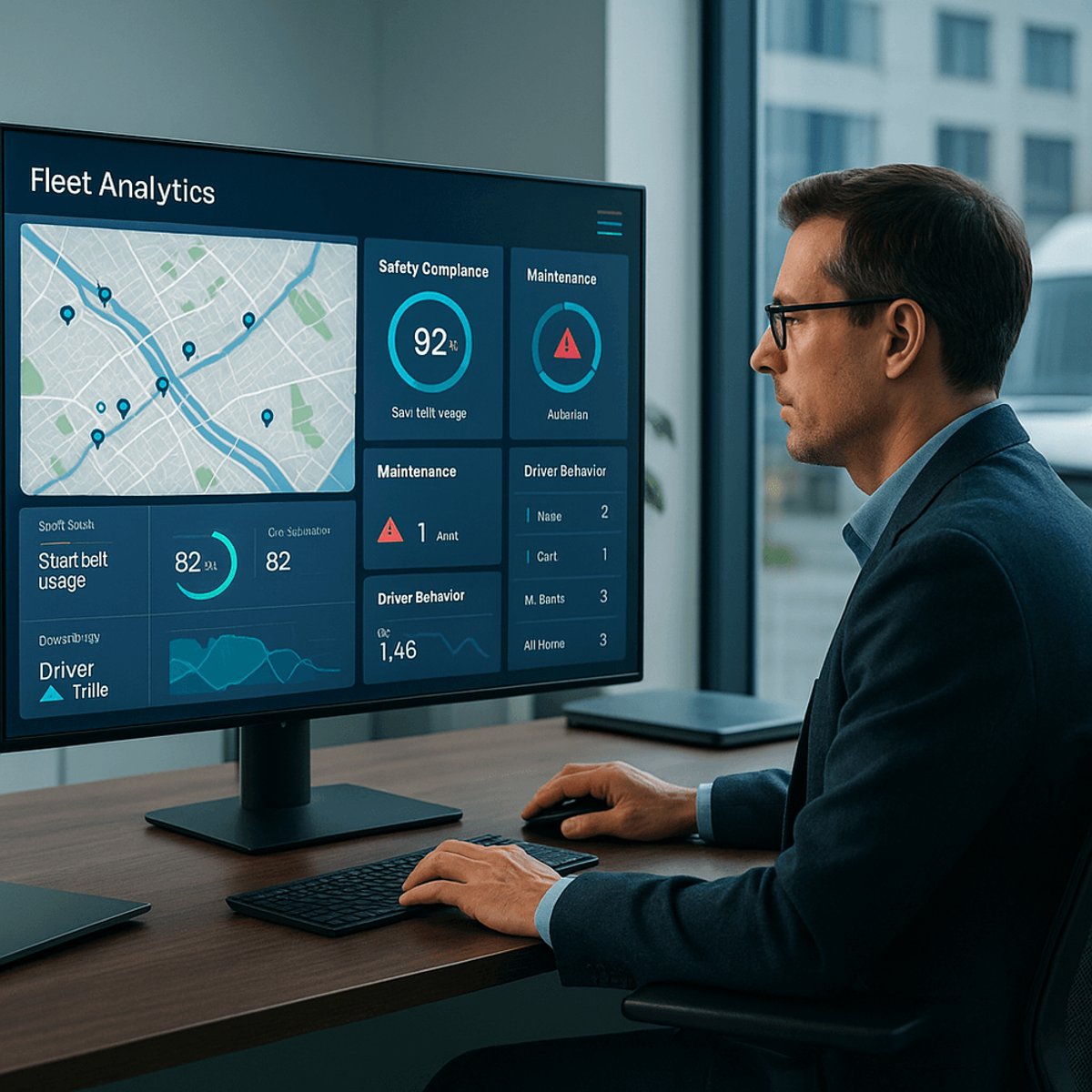
The AI assistant sits on top of Ford's existing telematics infrastructure, processing what the company describes as millions of data points from its Ford Pro commercial fleet. Fleet managers can now ask questions in plain English and get instant insights about their operations - everything from which drivers aren't buckling up to which vehicles need maintenance before they break down.
It's a practical application of AI that cuts through the hype. Instead of generating marketing copy or summarizing emails, Ford Pro AI tackles real problems that cost fleet operators serious money. Unbelted drivers mean higher insurance premiums and liability exposure. Unexpected breakdowns strand delivery trucks and kill productivity. Poor driving habits waste fuel and accelerate vehicle wear.
The timing isn't accidental. Ford has been quietly building out its Ford Pro commercial division as a separate business unit, and the software play is starting to look like the most interesting part of that strategy. While consumer EV sales have stumbled and traditional truck margins face pressure, enterprise software commands recurring subscription revenue and higher multiples from Wall Street.
According to TechCrunch, Ford Pro AI debuted at Work Truck Week with a focus on safety and compliance monitoring. The seatbelt tracking feature might sound mundane, but it addresses a massive pain point for fleet operators who face regulatory scrutiny and insurance audits. The system can flag non-compliance in real-time and generate reports that satisfy safety managers and risk departments.
But Ford isn't alone in chasing this opportunity. Tesla has been pitching fleet management features for its Semi trucks. GM launched its own commercial telematics platform. Even traditional fleet management companies like Samsara and Geotab are racing to add AI features before the automakers eat their lunch.
The competitive dynamic creates an interesting question: will fleet operators want to buy software from their truck manufacturer, or stick with specialized telematics providers? Ford's advantage is integration - the AI assistant can tap directly into vehicle systems without aftermarket hardware. The downside is lock-in - fleet operators with mixed vehicle brands might prefer a platform-agnostic solution.
The broader software-as-a-service shift in automotive has been building for years, but commercial fleets represent the fastest path to recurring revenue. Unlike consumer drivers who balk at subscription fees for heated seats, fleet operators will pay for software that demonstrably cuts costs or reduces risk. The business case writes itself when you're managing hundreds of vehicles.
Ford Pro AI also represents a test case for how automakers deploy large language models in practical applications. The natural language interface matters less for its novelty than for its accessibility - fleet managers don't want to learn complex dashboards or query languages. Ask a question, get an answer, make a decision.
The underlying data infrastructure is what makes this possible. Ford has been collecting telematics data from its commercial vehicles for years through connected vehicle systems. The AI layer provides a more intuitive way to surface insights that were always there but required data analysts to extract. Now a dispatcher or fleet manager can get answers without involving IT.
What remains unclear is Ford's pricing strategy and how aggressively they'll push adoption. The company hasn't disclosed whether Ford Pro AI will be bundled with vehicle purchases, offered as a standalone subscription, or tiered based on fleet size and features. Those details will determine whether this becomes a meaningful revenue driver or just a nice-to-have feature that fleet operators ignore.
The broader implication extends beyond Ford. Every automaker is hunting for software revenue to offset declining margins on hardware. The successful models will likely combine proprietary vehicle data with practical AI applications that solve specific business problems. Fleet management checks both boxes - captive data and clear ROI for customers willing to pay.
Ford's AI assistant for commercial fleets represents a critical test of whether automakers can successfully pivot to software businesses. The practical focus on safety monitoring and cost reduction gives it a better shot than consumer-facing AI features that often feel like solutions searching for problems. If Ford can prove the ROI and get fleet operators hooked on the insights, they've got a template for recurring revenue that every other automaker will rush to copy. The real battle isn't over who builds the best AI - it's who captures the fleet management software market before specialized telematics companies or tech giants move in.