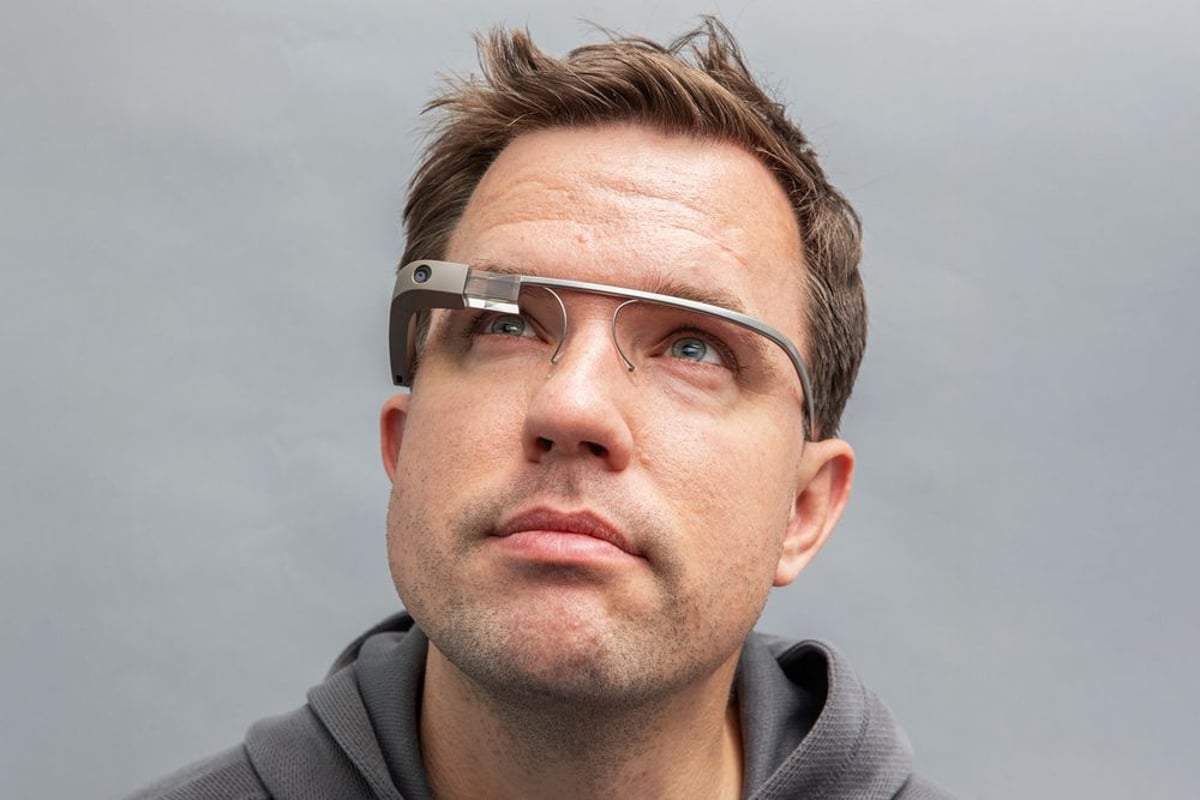
Thirteen years after Google Glass first hit the scene, The Verge's new podcast episode digs into why the controversial smart glasses still matter. While Glass flopped as a consumer product, its cultural impact - both the dreams it sparked and the privacy nightmares it created - continues shaping how we think about wearable tech today. As Meta, Apple, and others race to crack the smart glasses code, Glass's story offers crucial lessons about what not to do.
Google Glass represents one of tech's most fascinating what-if stories, and The Verge's latest podcast deep-dive couldn't come at a better time. As companies like Meta and Apple pour billions into their own visions of face-worn computing, Glass's cautionary tale feels more relevant than ever.
The new Version History podcast episode, hosted by David Pierce alongside Victoria Song and tech journalist David Imel, traces Glass's journey from moonshot lab experiment to cultural phenomenon to spectacular flameout. But here's what makes this retrospective particularly timely - Glass's fundamental promise of hands-free computing without constant phone-staring has only grown more appealing as screen fatigue reaches epidemic levels.
"Glass made a lot of people dream about new ways to use computers without staring down at screens all day," Pierce explains in the episode. But it also "made a lot of people realize just how bad it might feel to have a world full of face computers." That tension between promise and peril still defines every smart glasses project today.
The timing isn't coincidental. Meta just launched its Ray-Ban smart glasses to surprising success, while Apple continues refining its Vision Pro strategy. Google itself recently announced Android XR, signaling a return to the augmented reality battlefield it essentially created with Glass. Each of these efforts grapples with the same fundamental questions Glass first raised: How do you make wearable computing feel natural rather than intrusive? How do you avoid the "Glasshole" problem that turned early adopters into social pariahs?
The podcast reveals how Glass's cultural impact far exceeded its commercial success. The device became a lightning rod for privacy concerns that persist today - every time someone spots AirPods with cameras or debates whether smart glasses should have visible recording indicators, they're wrestling with issues Glass first brought into the mainstream.
What's particularly striking is how Glass never really died. While consumer sales ended in 2014, the enterprise version quietly continued, finding success in warehouses, factories, and medical settings where privacy concerns mattered less than productivity gains. This enterprise pivot foreshadowed how many consumer tech flops find second lives in business applications.
Pierce and his co-hosts examine how Glass's technical limitations - terrible battery life, awkward voice commands, that distinctive prism display - were ultimately less damaging than its social failures. The device made users conspicuous in ways that violated unspoken social norms about recording and attention. Today's smart glasses makers study this playbook carefully, designing devices that blend in rather than stand out.
The podcast also explores Glass's unexpected influence on smartphone development. Many features we now take for granted - voice assistants, always-on displays, contextual notifications - were first pioneered or popularized through Glass. The device pushed Google to think differently about ambient computing, ideas that eventually filtered into Android and influenced the entire mobile ecosystem.
As the smart glasses market heats up again, Glass's story offers both warnings and inspiration. The warnings are obvious: respect privacy, prioritize social acceptance, don't overpromise on capabilities. But the inspiration matters too - Glass proved there's genuine demand for computing that feels more natural than smartphones, even if the technology wasn't ready yet.
The Version History deep-dive comes as industry observers debate whether we're heading for another Glass-style crash or finally ready for mainstream smart glasses adoption. With better batteries, improved displays, and more sophisticated AI, today's devices address many of Glass's technical shortcomings. Whether they can solve the social challenges remains the billion-dollar question.
Glass's story isn't just tech nostalgia - it's essential reading for anyone trying to understand where wearable computing goes next. As Meta, Apple, and Google itself take another swing at smart glasses, they're all building on lessons learned from Glass's spectacular rise and fall. The question isn't whether someone will eventually crack the smart glasses code, but whether they can do it without repeating Glass's social missteps. Pierce and team's deep dive offers crucial context for understanding both the promise and perils ahead.