Nike just dropped the future of running on us. The company unveiled Project Amplify today - a robotic shoe system that literally powers each step with motorized ankle assistance. Targeting everyday runners who clock 10-12 minute miles, these cyborg kicks promise to make anyone faster and help them go longer distances. It's like having a personal trainer strapped to your calf, and it's coming in 2028.
Nike just rewrote the playbook on human performance enhancement. The sportswear giant unveiled Project Amplify today, a powered footwear system that makes every step feel like you've got springs in your heels - because you literally do.
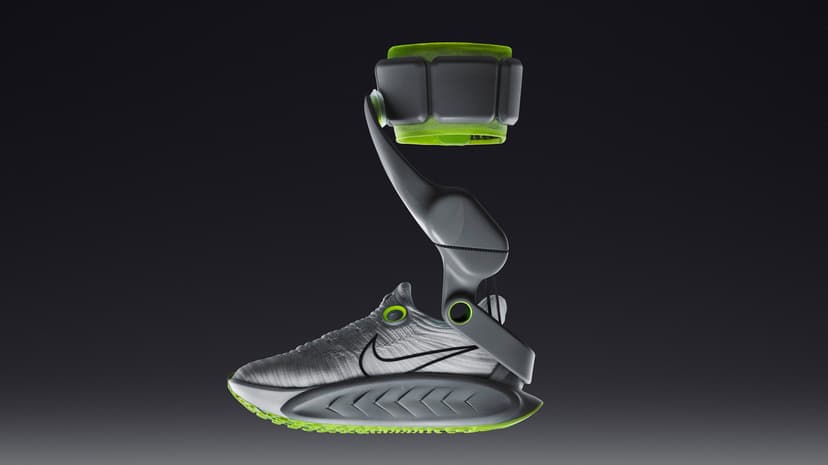
The system looks like something out of a sci-fi movie. An elastic cuff packed with batteries wraps around your calf, connected to a mechanical arm that runs down to your ankle. Inside that arm sits a motor that pulls up on your heel at the end of each step, perfectly timed to match your natural gait. The result? Every stride gets a robotic boost that could transform how we think about human endurance.
Nike isn't targeting elite athletes with this tech. According to the company's announcement, Project Amplify is designed for the 10-to-12-minute miler - the weekend warriors and fitness enthusiasts who make up the bulk of the running community. "The device is meant to boost the movement of people who are thoroughly middle-of-the road runners or joggers," Nike explained in today's reveal.
The timing couldn't be better. The wearable robotics market has been heating up, with companies like Sarcos and Ekso Bionics making headlines with exoskeletons for industrial workers. But Nike's approach is different - they're bringing this tech to consumer athletics in a package that actually looks like something you'd want to wear.
The shoes themselves can detach from the motorized system, letting you wear them as regular sneakers when the batteries need charging. That's a smart design choice that addresses one of the biggest complaints about powered wearables - they're usually too bulky or weird-looking for everyday use.
Nike's partnering with Massachusetts robotics company Dephy to develop the technology. Dephy already makes bionic footwear, so they bring serious credibility to the project. The collaboration signals Nike's commitment to getting this right rather than rushing to market with half-baked tech.
Testing is happening at Nike's innovation lab in Beaverton, Oregon, where athletes are putting prototypes through their paces. The company has been working on this for years, and the development photos show a clear evolution from clunky early versions to something that actually looks wearable.
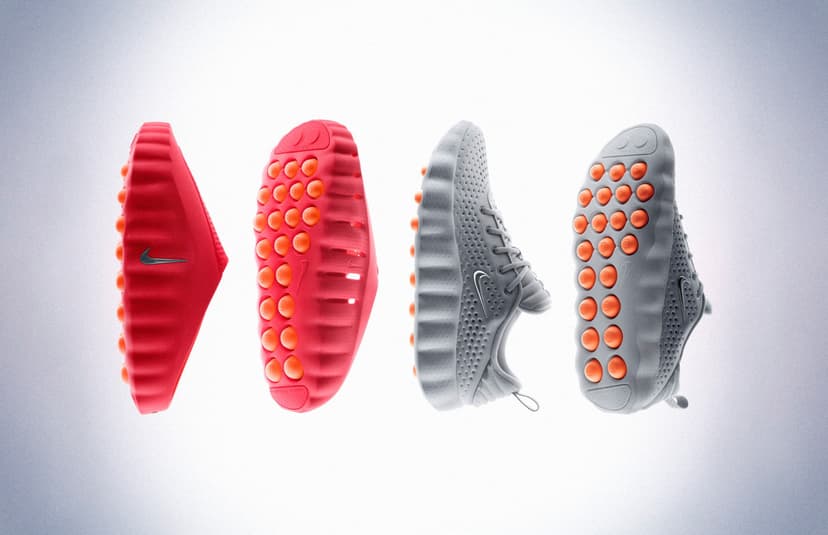
While we wait for robo-shoes, Nike's dropping some immediate innovations. Their new Mind footwear line launches in January with "neuroscience-based" design featuring 22 foam nubs on each sole. The idea is to give you barefoot sensory feedback while keeping full shoe protection - kind of like having your cake and eating it too.
There's also Aero-Fit athletic wear made entirely from chemically recycled textile waste. The soccer jerseys debut in summer 2026, perfectly timed for when you'll probably see them on professional pitches.
The broader implications here go way beyond just making your morning jog easier. We're looking at the early stages of mainstream human augmentation technology. If Nike can make powered shoes work for casual runners, what's stopping them from developing versions for hikers, workers who stand all day, or people with mobility challenges?
Project Amplify represents Nike's biggest bet on the future of human performance since they revolutionized running with the original Air Max. The 2028 target gives them time to perfect the technology, work out manufacturing at scale, and probably figure out how to make it affordable enough for regular consumers.
The competitive response will be fascinating to watch. Will Adidas and Under Armour scramble to develop their own powered footwear? Or will they double down on traditional performance enhancement through materials and design innovation?
Nike's Project Amplify isn't just another product launch - it's the opening shot in the consumer robotics revolution. By targeting everyday athletes rather than elite competitors, Nike's positioning this technology as accessible augmentation rather than performance doping. The 2028 timeline gives the company breathing room to perfect the tech while building market anticipation. Don't be surprised if powered footwear becomes as common as fitness trackers within the next decade.