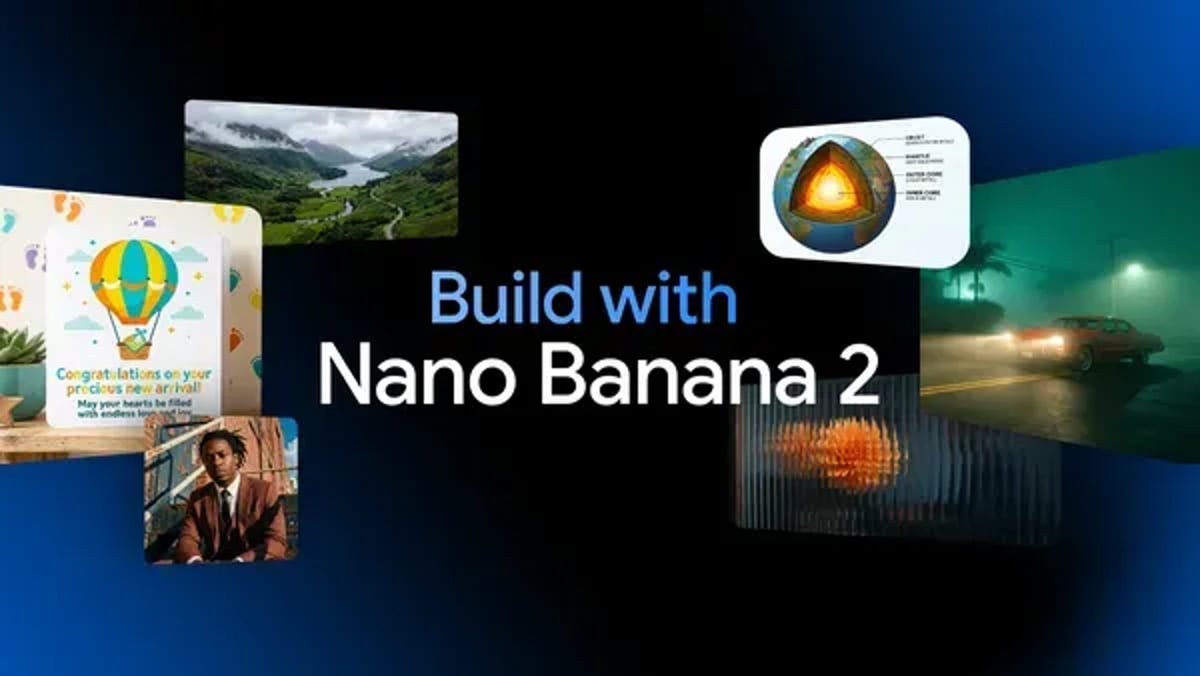
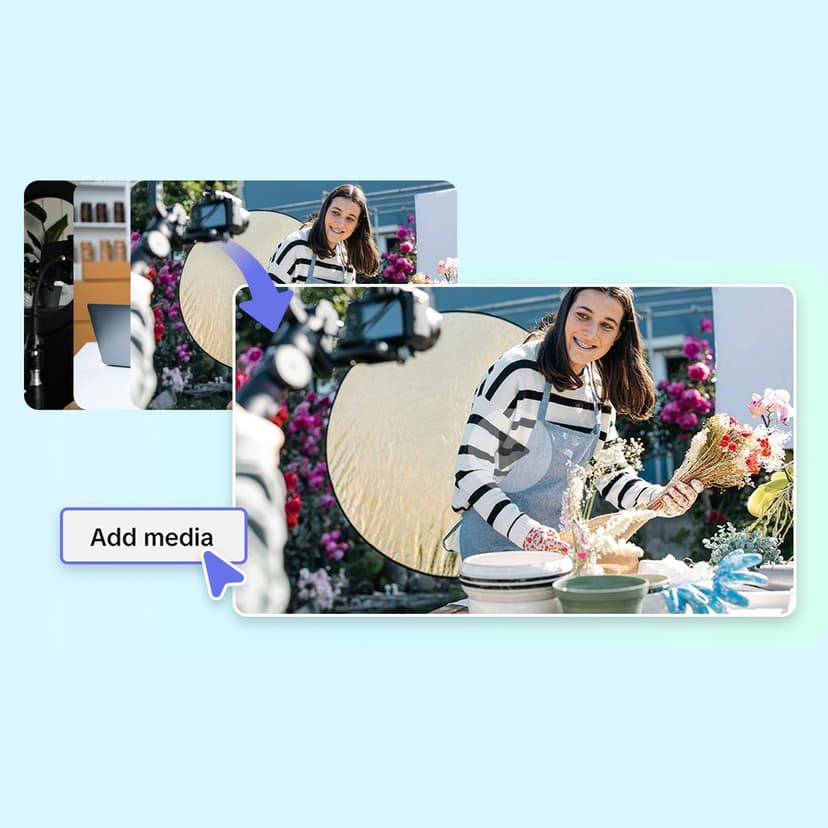
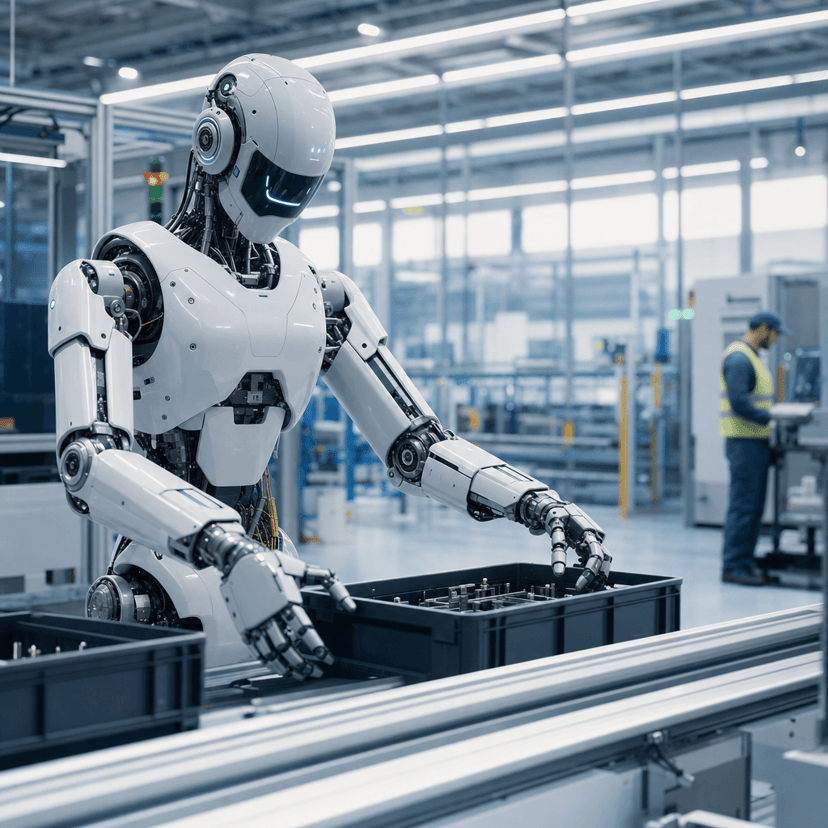
Google is rolling out Nano Banana 2 as the default image generation model across its Gemini app and AI mode, marking a significant update to the company's generative AI capabilities. The move positions Google more competitively against OpenAI's DALL-E and Midjourney in the rapidly evolving text-to-image space, with the company promising faster generation speeds and improved visual quality for its millions of Gemini users.
Google just made its biggest move yet in the generative image wars. The company's Nano Banana 2 model is now the default image generator powering the Gemini app and AI mode, replacing the previous generation and bringing what Google promises is significantly faster performance to millions of users.
The timing couldn't be more critical. OpenAI has been dominating headlines with DALL-E 3's photorealistic capabilities, while Midjourney continues to set the standard for artistic rendering. Google's been playing catch-up in the consumer-facing generative image space, even as its underlying research remains cutting-edge. Nano Banana 2 represents the company's answer - a model optimized for speed without sacrificing the quality that's become table stakes in this market.
The "2" designation suggests this is an iterative improvement rather than a complete architecture overhaul, but in the fast-moving world of generative AI, even incremental gains matter. Speed has become the differentiator that users care about most, according to recent user experience studies. When you're generating multiple variations or iterating on prompts, waiting 30 seconds versus 10 seconds fundamentally changes how you interact with the tool.
Google's decision to make Nano Banana 2 the default model is telling. There's no opt-in period, no A/B test for select users - the company is confident enough to flip the switch for everyone at once. That kind of confidence typically comes from extensive internal testing and favorable performance metrics that justify the risk of a universal rollout.
The Gemini integration is particularly strategic. Google's been consolidating its AI offerings under the Gemini brand, which has become the consumer face of the company's AI ambitions. By embedding Nano Banana 2 directly into Gemini's core functionality, Google is betting that seamless, fast image generation will become as natural as asking a question or summarizing text. It's part of a broader vision where multimodal AI - text, image, video, code - all flow together in a single interface.
What we don't know yet is how Nano Banana 2 stacks up technically. Google hasn't released detailed benchmarks comparing generation speed, image quality metrics, or prompt adherence rates against competitors. The company's been historically conservative about sharing model architectures and training details, preferring to let user adoption speak for itself. But in a market where Stability AI open-sources its models and Midjourney builds cult followings through Discord communities, Google's closed approach might need to evolve.
The competitive landscape is heating up fast. Microsoft has DALL-E 3 integrated into Bing and Copilot, giving it massive distribution. Adobe has Firefly embedded in Creative Cloud, targeting the professional market. Meta is pushing image generation through its social platforms. Google's advantage has always been distribution - Gemini is built into Android, Chrome, and Search - but distribution only matters if the product delivers.
For developers and enterprise users, the question is whether Nano Banana 2 will be available through Google's API offerings and at what price point. The consumerization of AI has been driven largely by free or cheap access to powerful models. Google's ability to offer competitive API pricing while maintaining quality could determine whether Nano Banana 2 becomes a developer favorite or just another option in an increasingly crowded field.
The broader implication is that image generation is moving from novelty to utility. It's no longer about creating viral AI art - it's about generating product mockups, visualizing concepts, creating marketing assets, and enhancing workflows. Google's focus on speed suggests the company understands this shift. The faster you can iterate, the more practical these tools become for real work.
What remains to be seen is whether Nano Banana 2 can match the artistic coherence of Midjourney, the photorealism of DALL-E 3, or carve out its own distinctive niche. Google has the resources, the talent, and the distribution. Now it needs to prove it has the model that users will choose over the alternatives, not just the one that comes pre-installed.
Google's Nano Banana 2 launch represents more than just a model upgrade - it's a statement about where the company sees the generative AI market heading. By prioritizing speed and making it the default experience for millions of Gemini users, Google is betting that practical, fast iteration matters more than cutting-edge artistry for most use cases. Whether that bet pays off depends on execution and whether users find Nano Banana 2 compelling enough to stick with Gemini rather than jumping to specialized tools. In a market where user loyalty is measured in weeks not years, Google has the distribution advantage but still needs to prove it has the product to match. The next few months will reveal whether Nano Banana 2 is a genuine competitor or just another entry in the increasingly crowded generative image space.