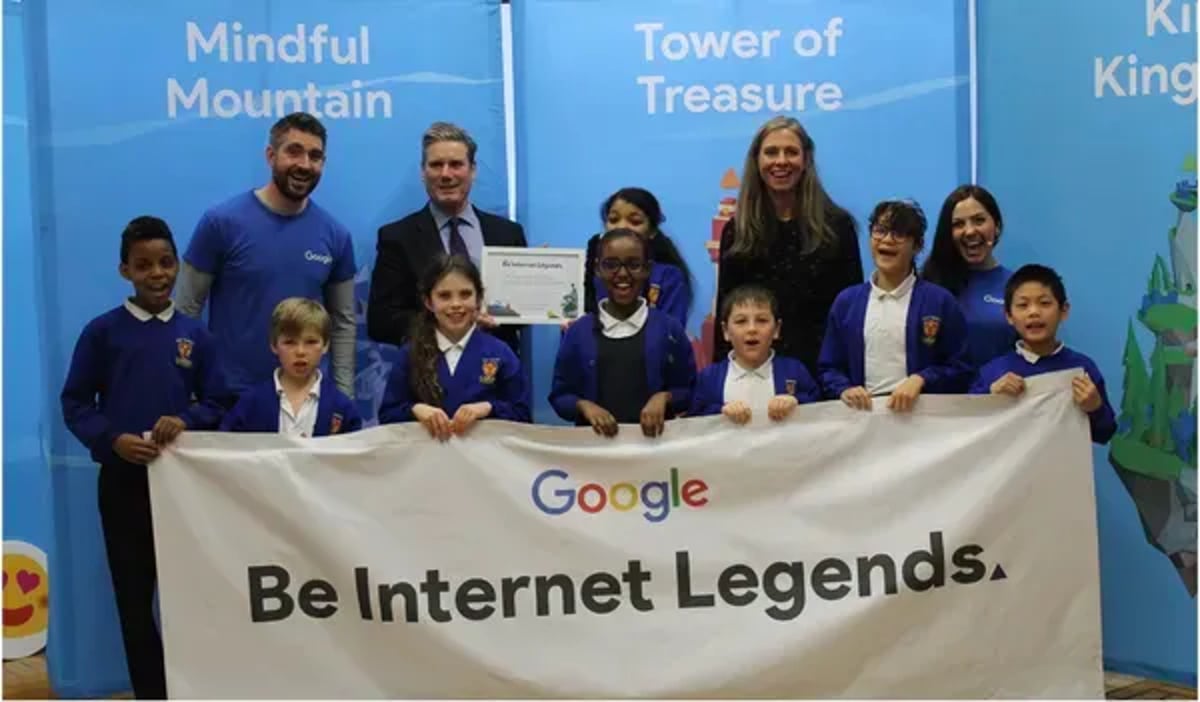
Google just hit a massive educational milestone - its Be Internet Legends program has reached over 10 million UK pupils since 2018, now covering 85% of primary schools nationwide. The program, delivered through Parent Zone, recently added AI literacy components to help children safely navigate AI-powered tools in an increasingly complex digital landscape.
Google has quietly built one of the UK's most successful digital literacy programs, and the numbers are staggering. Be Internet Legends has now reached over 10 million children across 85% of UK primary schools since launching in 2018, making it one of the most widespread educational technology initiatives in British history.
The program targets the crucial 7-11 age group - children who are increasingly online but haven't yet developed critical digital thinking skills. Through interactive assemblies, classroom curricula, and games like Interland, kids learn to navigate everything from cyberbullying to misinformation. But the real news is what Google just added: AI literacy components that teach children how to safely interact with AI-powered tools.
This timing isn't coincidental. As ChatGPT and other AI tools become mainstream, parents and teachers are scrambling to understand how children should engage with these technologies. Google's move positions the company as a responsible steward of AI education at a time when competitors face scrutiny over child safety online.
The scale is unprecedented for a corporate educational initiative. Working with Parent Zone, Google has embedded the program directly into UK classroom infrastructure, reaching hundreds of MPs, local councils, and mayors along the way. According to Google's announcement, the program delivers "enriching learning experiences" through a comprehensive approach that goes far beyond simple "don't talk to strangers" messaging.
The business implications run deeper than corporate social responsibility. Google faces increasing regulatory pressure in the UK around children's online safety, with government officials pushing for stricter controls on how tech companies interact with minors. By demonstrating measurable impact in digital education - 10 million students is roughly half of all UK children in the target demographic - Google builds crucial goodwill with regulators and parents.
Competitors are taking notice. Meta has struggled with child safety issues across Instagram and Facebook, while TikTok faces ongoing scrutiny over its impact on young users. Google's proactive approach through Be Internet Legends creates a stark contrast, positioning the company as an educational partner rather than a potential threat.
The AI literacy addition represents Google's recognition that digital safety education must evolve rapidly. Children today aren't just consuming content - they're interacting with intelligent systems that can generate responses, create images, and even help with homework. Teaching kids to understand when they're talking to AI, how to verify AI-generated information, and how to use these tools safely becomes as crucial as teaching them to recognize suspicious links.
What makes this particularly significant is the embedded nature of the program. Unlike one-off workshops or optional modules, Be Internet Legends has become part of the educational fabric in UK primary schools. Teachers rely on its resources, students expect its games, and administrators track its metrics. This institutional buy-in creates sustainable impact that extends far beyond any single marketing campaign.
The program's success also reflects broader shifts in how tech companies approach public policy. Rather than waiting for regulation, Google has invested heavily in proactive educational initiatives that demonstrate tangible social benefit. The 10 million student milestone provides concrete evidence of impact that regulators and critics find harder to dismiss.
Google's 10 million student milestone with Be Internet Legends represents more than educational success - it's strategic positioning in an era of increasing tech regulation. By embedding digital safety education directly into UK schools and adding cutting-edge AI literacy components, Google demonstrates how tech companies can build genuine social value while addressing regulatory concerns. As other platforms struggle with child safety issues, Google's proactive approach creates a template that could influence educational initiatives globally. The real test will be whether this educational foundation translates into sustained trust as these 10 million students become the next generation of digital citizens.