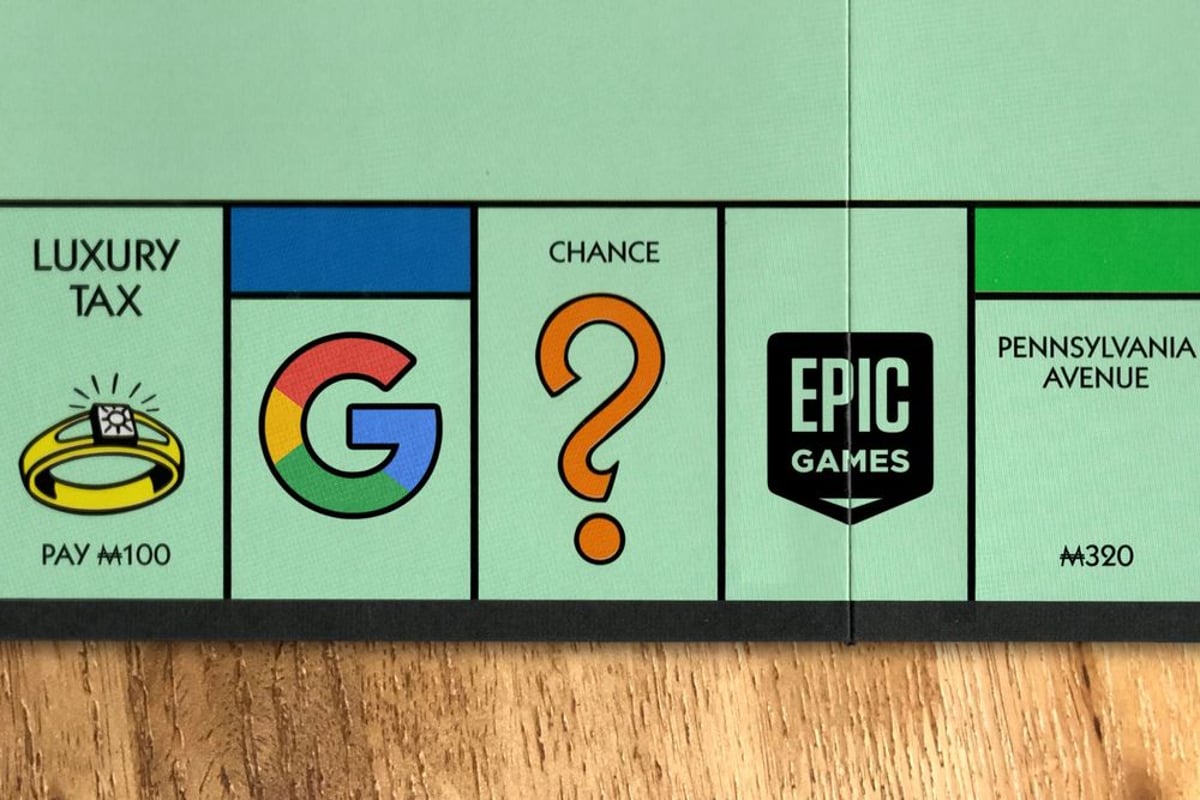
Google just pulled the trigger on a major app store shakeup - and it's not waiting for anyone's approval. The company announced it's slashing its Play Store fees from 30% to 20% in key markets and opening the door to alternative billing systems, implementing changes from its proposed Epic Games settlement before a judge even signs off. The move reshapes the economics for millions of app developers and signals Google's eagerness to move past its antitrust battle.
Google isn't playing the waiting game anymore. After months of legal wrangling with Epic Games over its Android app store monopoly, the tech giant just decided to implement sweeping changes on its own timeline - settlement approval be damned.
Starting June 30th, Google will drop its controversial 30% app store commission to 20% across the US, UK, and European Economic Area, according to an announcement on the Android Developers Blog. But that's just the opening salvo. By the end of 2026, Google plans to launch a "Registered App Stores" program outside the US and allow developers to offer their own billing systems alongside Google's payment infrastructure.
The timing is striking. Back in November, Google and Epic jointly proposed a settlement that would have reshaped Android's app distribution globally, though critics argued it wouldn't truly crack open Google's Android monopoly the way a court-ordered remedy might. That proposal is still pending judicial approval, but Google's apparently tired of waiting.
For app developers, the math suddenly looks a lot different. A 33% reduction in platform fees - from 30% to 20% - means substantially more revenue flowing directly to studios and publishers rather than Google's coffers. For a developer generating $1 million in annual revenue, that's an extra $100,000 staying in-house. Multiply that across the entire Android ecosystem, and you're talking about billions of dollars shifting hands.
But Google isn't making these changes out of pure altruism. The company lost a major antitrust case to Epic in December 2023, with a jury finding that Google maintained an illegal monopoly through its Play Store policies and billing restrictions. The proposed settlement Epic and Google crafted was meant to address those findings without the unpredictability of court-mandated remedies.
By implementing changes proactively, Google gains control over the narrative and execution. Rather than having a judge dictate exactly how it must restructure its business, the company gets to frame these moves as developer-friendly innovations. It's a calculated PR maneuver wrapped in genuine policy shifts.
The "Registered App Stores" program represents potentially the biggest structural change to Android's ecosystem since its inception. Third-party app stores have technically existed on Android for years, but Google's policies made them second-class citizens - harder to install, more difficult to update, and cut off from key platform features. If Google follows through on creating a registration system that legitimizes alternative stores, it could fragment the Android app economy in ways both exciting and chaotic.
Developers will also gain the ability to integrate their own payment systems directly into apps distributed through the Play Store. This has been a massive point of contention - both Epic and Apple have fought pitched battles over similar restrictions on iOS. Allowing alternative billing means developers could potentially avoid Google's commission entirely on in-app purchases, though Google will likely impose some technical or policy requirements to maintain platform security.
The geographic scope of these changes matters enormously. By focusing initial fee reductions on the US, UK, and EEA, Google's targeting markets where regulatory pressure has been most intense. The European Union's Digital Markets Act already forced similar concessions, while US antitrust enforcement has ramped up dramatically. Google's essentially getting ahead of what regulators would likely force anyway.
What's less clear is how thoroughly Google will actually open up Android. The company has a long history of announcing developer-friendly policies that come with significant caveats and restrictions in the fine print. The devil will be in implementation details - what requirements must alternative app stores meet? What friction will Google introduce in alternative billing flows? How prominently will Google warn users about payments processed outside its system?
These questions matter because Google has powerful incentives to maintain as much control as possible while appearing compliant with legal and regulatory demands. Every percentage point of commission Google retains translates directly to billions in annual revenue from the Play Store.
For Epic CEO Tim Sweeney, who's spent years fighting both Google and Apple over app store policies, this represents a partial victory. Epic's Fortnite was famously kicked off both the Play Store and Apple's App Store in 2020 after Epic deliberately violated their payment policies. The subsequent legal battles have reshaped the entire mobile app ecosystem, though Apple has proven far more resistant to change than Google.
The changes also put pressure on Apple to follow suit. While Apple won its legal battle with Epic on most counts, the company still faces intense regulatory scrutiny in Europe and mounting antitrust pressure in the US. If Google successfully positions itself as the more open platform, Apple's 30% App Store commission starts looking increasingly untenable.
Developers now face a strategic decision: wait to see how thoroughly Google implements these changes, or start planning immediately for a post-30% world. Those with significant Android revenue streams should be modeling different scenarios - what happens if alternative billing actually catches on? What if third-party app stores fragment the user base? What if Google finds new ways to extract value that offset the reduced commission?
The broader tech industry is watching closely because this represents a potential template for how dominant platforms might be forced to evolve. If Google can maintain healthy profits while offering lower fees and more openness, it undermines the arguments platform holders have made for years about why their high commissions and tight control are necessary.
Google's decision to implement these changes unilaterally signals a fundamental shift in how dominant tech platforms respond to antitrust pressure. Rather than fight regulators and competitors to the bitter end, Google's betting that controlled openness beats court-mandated chaos. For developers, this opens genuine new opportunities - but the real test comes in execution. Whether these changes truly democratize Android or simply create new forms of platform control will determine if this moment represents genuine progress or just clever corporate maneuvering. Either way, the 30% mobile app tax just took a serious hit, and the ripple effects will reshape the industry for years to come.