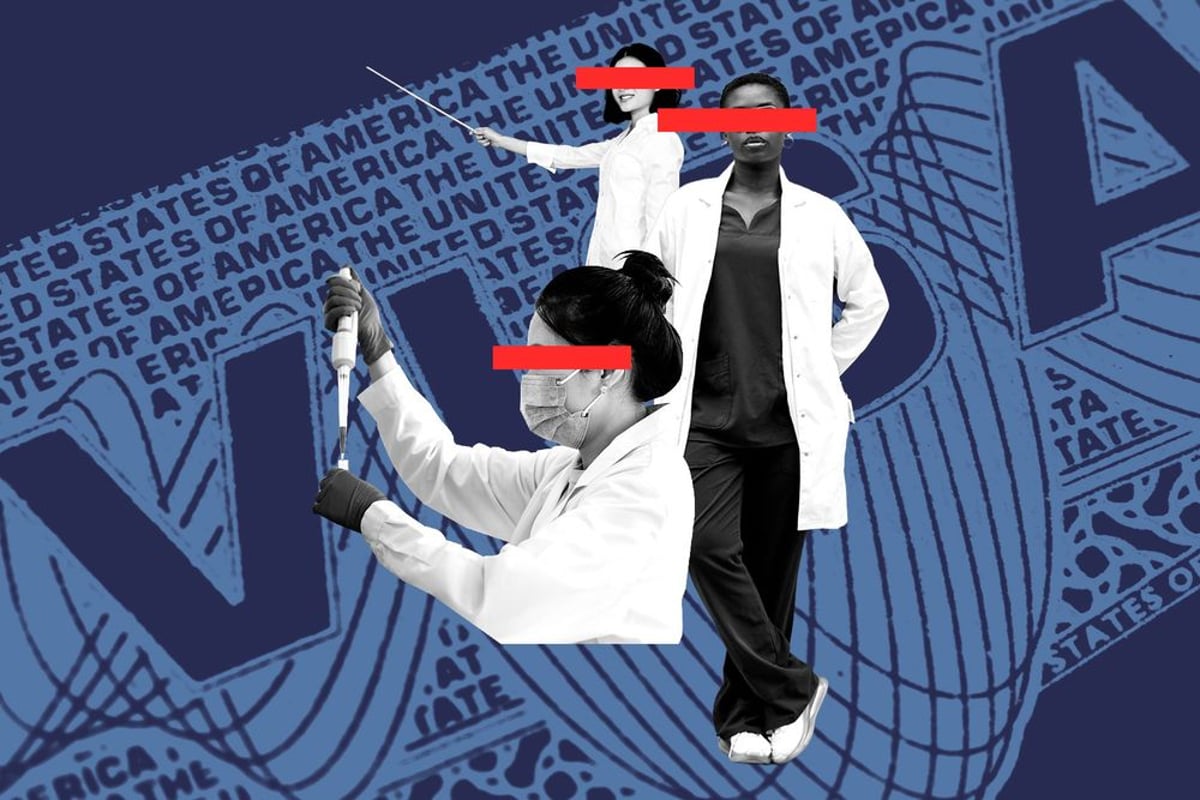
The tech industry's first full hiring cycle under Trump's controversial $100,000 H-1B visa fee is underway, and nobody's quite sure what happens next. Six months after the executive order sent thousands of workers scrambling and sparked immediate chaos, the H-1B registration window opened this week with companies facing a dramatically altered landscape for hiring specialized talent. With applications closing March 19th, the real test of how this policy reshapes tech's workforce is just beginning.
The chaos has settled, but the consequences are just starting to surface. When President Trump signed the executive order last fall hiking H-1B visa fees to $100,000, the immediate fallout was dramatic - workers found themselves stranded overseas, companies scrambled to understand new requirements, and the tech industry's talent pipeline hit an unexpected wall. Now, as the registration window for fiscal year 2027 H-1B visas opened this week, the industry faces its first real reckoning with what this policy actually means.
The timing couldn't be more critical. Tech companies historically rely on the H-1B program to fill specialized roles that require advanced technical skills, from software engineers to data scientists. The previous fee structure made this a relatively straightforward calculation. At $100,000 per visa, the math has fundamentally changed. For startups operating on tight budgets, that's suddenly a significant line item. For larger enterprises managing hundreds of visa applications, it's a multimillion-dollar policy shift that forces new conversations about hiring strategy.
What made last fall's rollout particularly messy was the lack of clarity. Details about who would be affected, which applications would fall under the new fee structure, and how the transition would work only emerged after Trump signed the order. Thousands of workers who had traveled abroad to renew their visas ended up stranded, according to reporting from the Washington Post, unable to return until they could navigate the new requirements. The human cost of policy implemented without clear guidance became immediately apparent.
Six months later, the initial disorder has largely subsided. Companies have had time to adjust their budgets, immigration lawyers have figured out the new processes, and workers understand what they're facing. But that doesn't mean the uncertainty is gone. This registration season represents the first time companies are making hiring decisions with full knowledge of the new costs upfront. The question everyone's asking is whether the $100,000 fee will fundamentally alter who gets hired, where companies choose to build teams, and how the tech industry's global talent strategy evolves.
Experts are flagging potential consequences that extend beyond tech's big players. Education sectors that rely on H-1B visas to bring in specialized teachers, healthcare organizations hiring foreign medical professionals, and research institutions bringing in scientists all face the same sticker shock. The ripple effects touch industries that depend on specialized international talent but lack the profit margins of major tech companies. A small university trying to hire a computer science professor from abroad now faces the same $100,000 fee as Google or Microsoft hiring a senior engineer.
The registration deadline of March 19th means companies have just days to finalize their strategies. Some may choose to absorb the costs and continue hiring as planned. Others might shift toward opening international offices, keeping talent abroad rather than bringing them to the US. Still others could pivot to hiring domestically, though that assumes equivalent talent is available - a premise many tech leaders dispute. What's clear is that every company is running its own cost-benefit analysis right now.
What's harder to predict is the long-term competitive impact. If US companies pull back on H-1B hiring while international competitors continue building diverse global teams, does that shift innovation elsewhere? If startups can't afford the fees but established giants can, does that entrench existing players and make it harder for new companies to compete for top talent? These aren't hypothetical questions anymore. They're strategic decisions playing out in real-time as this registration window ticks down.
The policy also intersects with broader debates about immigration, workforce development, and America's competitive position in tech. Supporters argue the higher fees will push companies to invest more in domestic talent and training. Critics counter that specialized skills don't appear overnight, and restricting access to global talent simply handicaps US companies in an international race for innovation. Both sides will be watching this hiring cycle closely for evidence supporting their positions.
For the workers themselves, the calculus has changed too. Is it worth pursuing opportunities in the US if the sponsoring company has to invest $100,000 upfront? Does that create pressure to stay with a single employer even if better opportunities emerge? The visa fee doesn't just affect company balance sheets - it shapes individual career decisions and life plans for thousands of professionals.
As applications roll in over the next few days, the data will start telling a story. Are companies submitting fewer applications? Are certain industries or company sizes pulling back more than others? Are workers choosing alternative visa categories or different countries altogether? The answers won't be immediately clear, but the patterns emerging from this registration season will set the tone for tech hiring for years to come.
The H-1B policy shift represents more than just a fee increase. It's a fundamental rewiring of how tech companies access global talent, with consequences that extend from startup hiring budgets to America's long-term competitive position in innovation. As this registration window closes on March 19th, the industry is essentially running a live experiment on what happens when you dramatically increase the cost of specialized immigration. The initial chaos may have faded, but the real story is just beginning to unfold in hiring decisions, workforce strategies, and the reshaping of where and how tech innovation happens.