Hall effect keyboards are rapidly displacing traditional mechanical switches in the gaming world, with magnetic technology offering unprecedented customization and lightning-fast response times. WIRED's latest comprehensive review breaks down the standout models that are reshaping how serious gamers and typists approach their setups, revealing why this magnetic revolution is more than just hype.
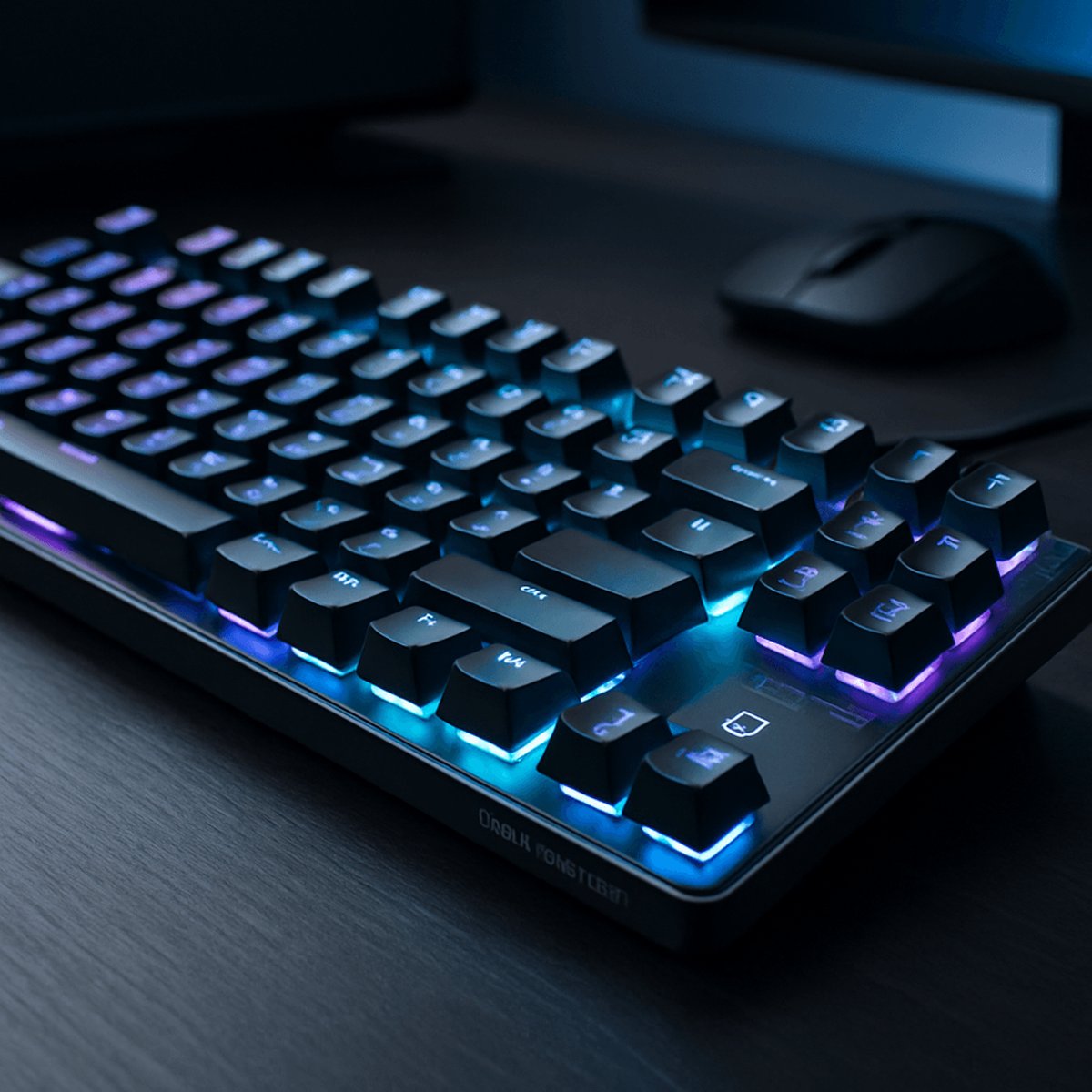
The gaming keyboard landscape just shifted dramatically. Hall effect switches, which use magnetic fields instead of physical contacts to register keystrokes, are no longer niche curiosities but serious contenders for your desk space. WIRED's comprehensive 2025 roundup reveals a market that's matured beyond early adopter territory into genuinely compelling options for both gamers and productivity users.
The standout performer appears to be Asus's Falchion Ace HFX, earning a 7/10 rating and WIRED Recommends badge. At $200, it packs features that would have seemed science fiction just a few years ago: an 8,000Hz polling rate, a built-in touchpad, and a physical rapid-trigger switch that can be toggled mid-game. The magnetic switches allow users to adjust actuation distances on the fly, meaning you can have hair-trigger sensitivity for competitive gaming and normal typing feel for everyday use.
"Small details like a touchpad and a physical rapid-trigger switch, paired with big-ticket items like an 8,000-Hz polling rate and one of the better customization software available, make this keyboard both intuitive for daily use and powerful for high-speed gaming," writes reviewer Henri Robbins in the WIRED analysis.
The technology's appeal lies in its fundamental advantage over mechanical switches. Traditional keyboards rely on metal contacts physically touching to register a keystroke. Hall effect switches use magnets and sensors, eliminating mechanical wear while enabling precise control over when a key registers. This translates to features like "rapid trigger" - where keys can reset instantly when released, allowing for faster repeated inputs crucial in competitive gaming.
SteelSeries enters the conversation with their Apex Pro Mini Gen 3 at $220, though the review suggests waiting for a sale. While the switches perform well with fast refresh rates and useful gaming features, the build quality doesn't quite justify the premium pricing. The tray-mount construction feels stiffer than gasket-mounted alternatives, and SteelSeries' GG software reportedly becomes "tedious at times to use."
The premium end gets interesting with Sony's first gaming keyboard under the Inzone brand. The KBD-H75 at $300 brings Sony's camera-like attention to customization detail, offering extensive adjustable settings for switch behavior. However, the review notes this can be overwhelming: "they provide more customization than most users will know what to do with, and don't provide much guidance on how they work or what they should be set to."
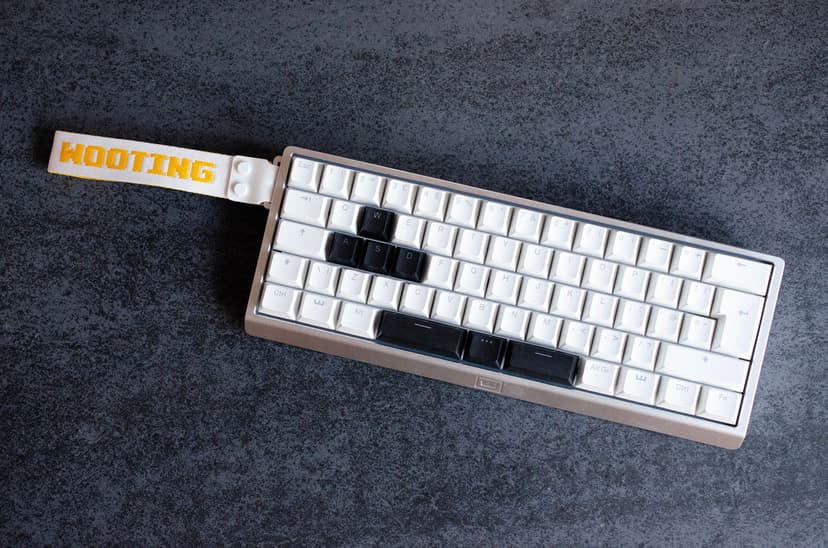
Budget options aren't ignored. The Elecom VK720A at $63 stands out for using non-Gateron switches, offering solid performance with gaming-specific keycaps and swappable spacebars. While it lacks wireless connectivity and premium build quality, it proves Hall effect technology doesn't require a massive investment.
The review also highlights what to avoid. Corsair's K70 Pro TKL earns criticism for using Hall effect switches only in the center cluster while maintaining mechanical switches around the periphery. This creates an inconsistent typing experience that undermines the technology's advantages. Similarly problematic is the Syntech Chronos68, which suffers from over-lubricated switches that create an unpleasant typing feel described as "like typing directly into a slice of sponge cake."
What's driving this magnetic revolution? Gaming performance gains are measurable. The 8,000Hz polling rates common in these keyboards mean input lag drops to fractions of milliseconds. Features like SOCD (Simultaneous Opposing Cardinal Directions) help prevent movement conflicts in competitive games. Adjustable actuation distances let users fine-tune their keyboards for specific game genres or personal preferences.
The technology is clearly hitting mainstream adoption. Major peripheral manufacturers from Asus to Corsair to Sony are investing heavily in Hall effect keyboards, pushing features and pricing across multiple segments. This isn't experimental tech anymore - it's becoming the new standard for serious gaming peripherals.
Hall effect keyboards have crossed the threshold from enthusiast curiosity to legitimate mainstream option. The magnetic switch technology delivers tangible benefits for both gaming performance and typing customization, with options now available across every price point. While some models still suffer from software issues or inconsistent implementation, standouts like the Asus Falchion Ace HFX prove the technology has matured. For gamers seeking every competitive advantage and typists wanting unprecedented customization, the magnetic revolution offers compelling reasons to upgrade from traditional mechanical switches.