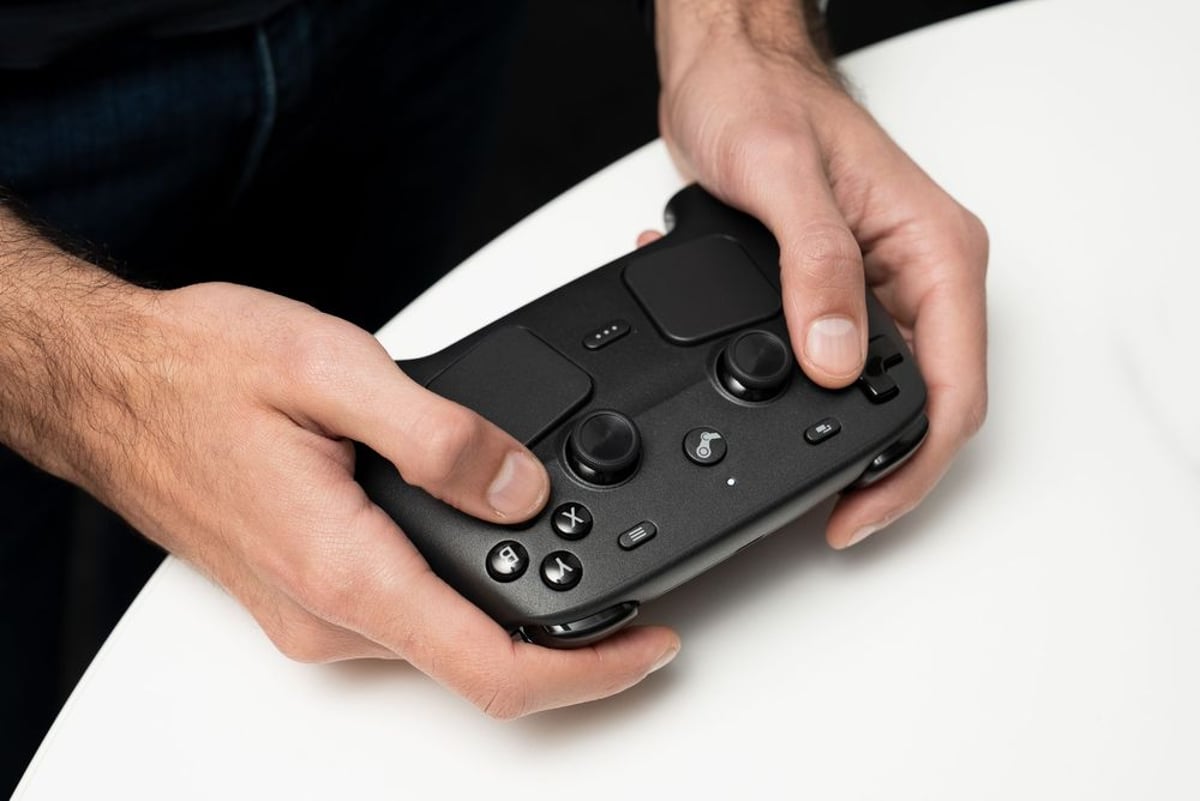
Valve just dropped a bombshell that could reshape gaming forever. The company has been secretly funding the open-source technologies needed to run Windows PC games on ARM chips - the processors powering billions of phones. This isn't just about the Steam Frame headset; it's about making your entire Steam library playable on any device, from Samsung Galaxies to future ARM laptops.
Valve just revealed it's been playing the longest game in tech. While everyone was focused on the Steam Deck and wondering about that Steam Machine console, the company was quietly building the foundation for something much bigger - PC gaming on every ARM device you own.
In an exclusive interview with The Verge, Valve's Pierre-Loup Griffais dropped the news that'll make mobile gaming companies sweat. Since 2016, Valve has been funding almost all the open-source technologies needed to run Windows games on ARM processors. That includes Fex, the emulator that makes the Steam Frame headset work its magic.
But here's the kicker - this tech isn't locked to Valve's hardware. Developers have already used it to get games like Hollow Knight: Silksong running smoothly on Samsung Galaxy phones through the GameHub app. "We don't want game developers to have to spend a bunch of time porting things to different architecture if they can avoid it," Griffais told The Verge. "We would way rather have those game developers invest their time and energy into making their games better."
The technical wizardry here is genuinely impressive. Valve's ARM gaming stack combines Proton (their Windows-to-Linux compatibility layer) with the Fex emulator to bridge the x86-to-ARM gap. When you're playing a Windows game on an ARM device, Fex translates the x86 game code in real-time while Proton handles all the Windows API calls. The performance hit only applies to the game's own code - once it hits system APIs, everything runs natively on ARM.
This isn't Valve's first rodeo with long-term open-source investments. The company spent a decade funding Linux gaming development that eventually made the Steam Deck possible. Now they're applying the same playbook to ARM. Fex lead developer Ryan Houdek confirmed to The Verge that Valve pays enough to make Fex development his full-time job. "I want to thank the people from Valve for being here from the start and allowing me to kickstart this project," he recently wrote.
The implications stretch far beyond gaming. ARM processors dominate mobile devices and are making serious inroads into laptops and desktops, especially after Apple proved what's possible with its M-series chips. Griffais sees ARM SteamOS expanding to "ultraportables, maybe more powerful laptops being ARM-based and using different offerings in that segment."
Valve's strategy here is brilliant in its simplicity. Instead of fighting the ARM transition, they're enabling it. Rather than asking developers to port thousands of games to new architectures, they're making the architecture irrelevant. Your Steam library becomes truly universal - playable on whatever device you happen to be holding.
The competitive landscape is already shifting in response. Microsoft has its own Prism emulation for Windows on ARM, but Valve's open-source approach could prove more flexible. While Microsoft focuses on broad Windows compatibility, Valve's stack is laser-focused on gaming performance and correctness, handling even tricky anti-tamper systems that some games use.
This also explains why Valve seems so confident about future hardware partnerships. "We're seeing the same thing right now in the living room, where we've already had some good conversations with folks in the living room space that think SteamOS could be a good fit," Griffais revealed. With ARM compatibility locked down, Valve can say yes to almost any hardware maker who wants to build SteamOS devices.
The timing couldn't be better. ARM gaming is having a moment, with companies like Nvidia already working on ARM gaming laptops and mobile processors getting powerful enough to handle serious gaming workloads. Valve's infrastructure investments mean they're ready to ride this wave rather than scramble to catch up.
For context, this follows Valve's proven pattern of patient, strategic investments. The company spent years building VR capabilities before launching the Index, invested heavily in Linux gaming long before the Steam Deck, and now they've been quietly preparing for the ARM transition since 2016.
Valve isn't just building gaming hardware anymore - they're building the future of gaming itself. By funding the open-source technologies that make PC games work on any processor architecture, they've positioned themselves as the platform that works everywhere. While competitors scramble to port games or build new ecosystems from scratch, Valve's making the entire concept of platform exclusivity obsolete. The Steam Machine might be just the beginning of a world where your gaming library follows you to every device you touch.