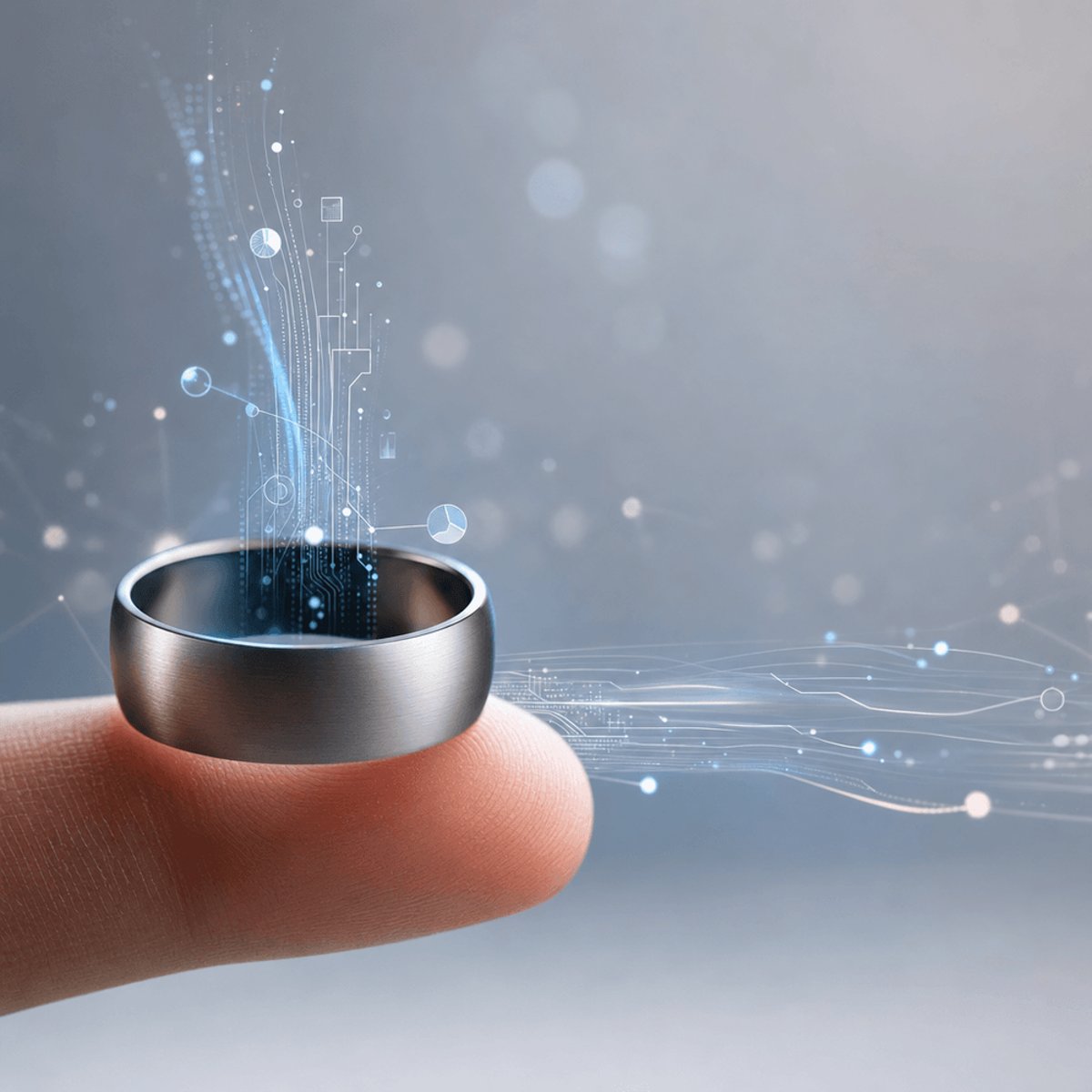
A new free AI-powered tool is changing how Oura Ring users understand their health data. Simple Wearable Report leverages AI models to analyze wearable data in ways the official Oura app doesn't, giving users deeper insights into sleep patterns, recovery metrics, and health trends. The development signals a growing trend of third-party developers building intelligence layers on top of wearable data, potentially reshaping how consumers interact with their health information.
Wearable health tracking just got smarter, but not from the companies making the devices. Simple Wearable Report, a free third-party application, is demonstrating what's possible when AI meets the treasure trove of biometric data collected by devices like the Oura Ring.
The app connects to Oura's API and runs AI analysis on user data, surfacing patterns and insights that the ring's native interface doesn't highlight. While Oura provides readiness scores and sleep stage breakdowns, Simple Wearable Report appears to dig deeper, using AI models to spot correlations between behaviors and health metrics that might otherwise go unnoticed.
This isn't just another dashboard. The emergence of AI-powered analysis tools represents a fundamental shift in the wearables market. For years, companies like Oura, Apple, and Whoop have competed on hardware refinement and proprietary algorithms. Now, third-party developers are proving they can add value by simply accessing the data these devices collect.
The timing is significant. Google's Gemini AI and other large language models have made sophisticated data analysis accessible to smaller developers. Simple Wearable Report likely leverages these models to perform complex pattern recognition on biometric data, something that would have required massive infrastructure investment just two years ago.
For Oura, which charges a monthly subscription fee for access to detailed health insights, this creates an interesting competitive dynamic. The Finnish company has built its business model around not just the $299-$499 hardware, but the $5.99 monthly membership that unlocks full data access. Third-party tools that extract additional value from that same data could either complement Oura's offering or challenge its subscription justification.
The wearables market has been moving toward AI integration for months. Apple introduced health coaching features in watchOS, while Whoop launched AI-powered coaching in its app. But these implementations are controlled, curated experiences. Simple Wearable Report represents something different - the democratization of health data analysis.
Privacy considerations loom large. Users must grant Simple Wearable Report access to their Oura data, raising questions about how that information is stored and processed. The app's free status also prompts questions about its business model and long-term sustainability. Free AI tools often rely on data aggregation or eventually transition to paid tiers.
The broader implication extends beyond Oura. Every major wearable manufacturer now faces pressure to either enhance their own AI capabilities or accept that third-party developers will fill the gap. Apple, Google (through Fitbit), and Samsung all maintain relatively closed ecosystems, but consumer demand for deeper insights could force more openness.
Developers are increasingly viewing wearable data as the new frontier for AI applications. Sleep optimization, workout recommendations, and illness prediction all become more powerful when AI can analyze patterns across multiple data streams. Simple Wearable Report is testing whether consumers value this analysis enough to trust third parties with their health information.
For now, the app demonstrates what many suspected - the data captured by current wearables is underutilized. Oura tracks heart rate variability, body temperature, respiratory rate, and movement with impressive precision, but most users only scratch the surface of what these metrics reveal about their health.
Simple Wearable Report's emergence highlights a fundamental tension in the wearables industry - who owns the intelligence layer on top of health data? As AI models become more accessible, expect more third-party tools that promise to extract additional value from the devices already on our fingers and wrists. For consumers, this means more choice and potentially deeper insights. For wearable manufacturers, it's a wake-up call to invest harder in AI capabilities or risk becoming mere data collection pipes for smarter applications built by others. The question isn't whether AI will reshape health tracking - it's whether device makers will lead that transformation or scramble to catch up.