Imgur just pulled the plug on UK access after Britain's data regulator threatened to fine the image-sharing giant over children's privacy violations. The dramatic geo-block affects millions of users and signals how costly regulatory compliance has become for platforms unwilling to adapt their data practices.
Imgur just made one of the most dramatic regulatory exits we've seen this year, completely blocking UK users after Britain's data watchdog threatened significant fines over children's privacy violations. The move affects one of the web's most popular image platforms, which sees over 195 million monthly visits according to Semrush data.
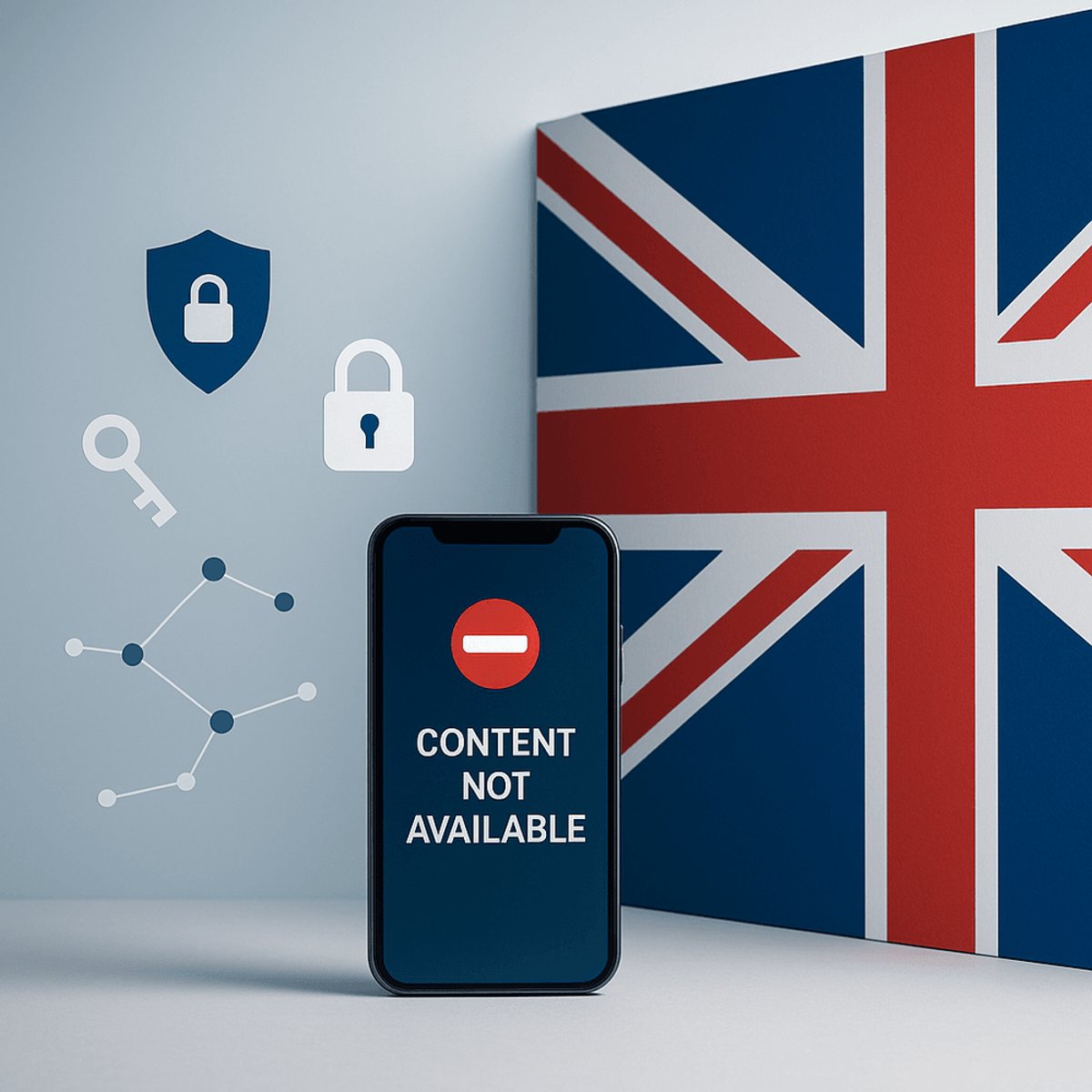
UK users trying to access the platform today are greeted with a stark "Content not available in your region" error message, marking the end of Imgur's 16-year run in Britain. The geo-block comes after the Information Commissioner's Office (ICO) notified Imgur's parent company MediaLab AI earlier this month about provisional findings in its investigation into how social media platforms handle children's data.
The ICO launched its sweeping investigation in March, targeting multiple social media platforms over their use of UK children's personal information and privacy protections for minors. What started as routine regulatory scrutiny has now escalated into Imgur choosing complete market exit over compliance costs.
"Our findings are provisional and the ICO will carefully consider any representations from MediaLab before taking a final decision whether to issue a monetary penalty," Tim Capel, interim executive director of regulatory supervision at the ICO, said in Tuesday's statement. But he made clear the regulator's position: "We have been clear that exiting the UK does not allow an organisation to avoid responsibility for any prior infringement of data protection law, and our investigation remains ongoing."
The timing couldn't be worse for Imgur, which has been trying to rebuild its business model beyond its origins as Reddit's preferred image host. Founded in 2009 by then-college student Alan Schaaf, the platform quickly became essential internet infrastructure, hosting millions of memes, screenshots, and viral images that power social media conversations.
But Imgur's decision reveals the brutal economics facing mid-tier platforms caught between regulatory compliance costs and revenue realities. Unlike tech giants that can absorb multimillion-dollar fines and compliance teams, smaller platforms face an impossible choice: spend heavily on data protection infrastructure or exit regulated markets entirely.
The ICO's investigation specifically focuses on children's data - a regulatory lightning rod that's already reshaped how major platforms operate. Meta spent billions overhauling its teen safety features, while TikTok faced potential UK bans over similar concerns. For Imgur, owned by MediaLab AI since 2021, the compliance costs apparently outweighed the UK market's value.
This geo-blocking strategy is becoming increasingly common as regulatory pressure intensifies globally. We've seen similar exits in other markets where platforms decided compliance costs exceeded revenue potential. But Imgur's UK departure is particularly significant given the platform's role in internet culture and the precedent it sets for other mid-sized platforms facing similar regulatory pressure.
The broader implications extend beyond Imgur users losing access to viral content. This withdrawal demonstrates how fragmented the internet is becoming as platforms make market-by-market compliance decisions. It also shows how children's data protection - while crucial for safety - can become a market access barrier for platforms lacking the resources of tech giants.
Neither Imgur nor MediaLab AI responded to requests for comment, suggesting they're keeping quiet while the ICO investigation continues. The regulator confirmed it won't provide further details at this time, leaving the exact nature of the alleged violations unclear.
Imgur's UK exit represents a watershed moment for platform regulation, showing how children's data protection rules are forcing smaller companies to make harsh market access decisions. As regulators worldwide tighten privacy requirements, we're likely to see more platforms choosing geographic withdrawal over compliance costs, ultimately fragmenting the global internet experience. The question now is whether other mid-tier platforms will follow Imgur's lead or find ways to adapt to the new regulatory reality.