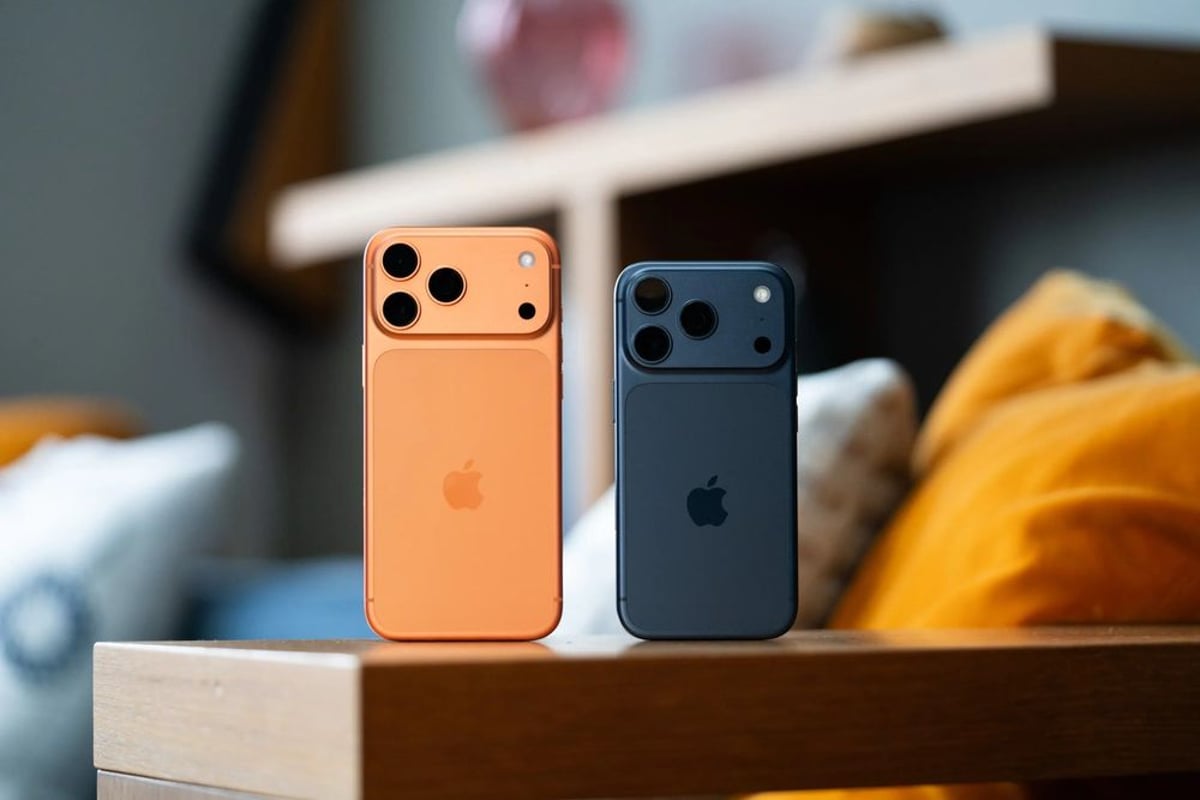
Apple's iPhone 17 launched over a month ago, but Adobe's beloved Project Indigo camera app remains incompatible with the latest hardware. The culprit? The phone's redesigned 18-megapixel selfie camera is causing technical headaches that require both software fixes and an upcoming iOS update to resolve.
It's been over a month since Apple launched the iPhone 17 series, but photographers eagerly waiting to use Adobe's experimental Project Indigo camera app on their new devices are still out of luck. The holdup isn't just typical new hardware growing pains - it's specifically the phone's redesigned selfie camera causing headaches for Adobe's development team.
Boris Ajdin, Project Indigo's product manager, has been fielding increasingly frustrated questions on Adobe's community forums, where he revealed the technical challenges on October 16th. "We are working hard on it, and we have run into some issues, especially with the front camera," Ajdin wrote to the app's devoted user base. "Some of them we flagged to Apple, who have made a fix and will ship it with iOS 26.1."
The news gets more complicated from there. Because the fixes won't arrive until iOS 26.1 ships, Adobe is considering a workaround that iPhone 17 users probably won't love: "Sadly, that means we need to consider disabling the front camera in Indigo until that version of iOS is shipped," according to Ajdin's post.
This isn't just any camera app struggling with compatibility. Project Indigo has developed something of a cult following since its summer debut, offering what many photographers describe as more natural image processing compared to the heavily processed look that most smartphone cameras produce by default. The app is the brainchild of Marc Levoy, the computational photography pioneer who helped make Google Pixel cameras legendary before joining Adobe's team.
The iPhone 17's front-facing camera represents Apple's first major selfie camera upgrade since the iPhone 11 switched to a 12-megapixel sensor back in 2019. The new 18-megapixel sensor features a square design that captures both portrait and landscape orientations without requiring users to rotate their phone or lose resolution to cropping. It also includes Center Stage functionality, automatically tracking subjects and adjusting framing when more people join the shot.
But those hardware improvements are proving tricky for third-party developers to navigate. When reached for comment, Adobe spokesperson Erin Di Leva directed questions back to the forum posts, suggesting the company isn't ready to discuss the technical specifics publicly.
The timing is particularly frustrating for Project Indigo's community because Ajdin initially hoped to ship the iPhone 17 update "in a couple of days" when he posted the October 16th update. Now, responding to another forum comment, he's only saying he's "hoping that we can release an update this week."
The delays highlight how challenging it can be for experimental apps to keep pace with Apple's hardware evolution. Project Indigo remains iOS-exclusive, with Android support still on what Levoy diplomatically calls the "want list" during a recent podcast interview. Given the iPhone 17 compatibility struggles, Android users shouldn't hold their breath.
For now, iPhone 17 Pro owners wanting to experience Project Indigo's signature natural processing will have to wait for both Adobe's upcoming app update and Apple's iOS 26.1 release. Or they could dust off that iPhone 12 Pro sitting in a drawer - Project Indigo works just fine on older hardware.
The iPhone 17's selfie camera upgrade showcases how even well-intentioned hardware improvements can create unexpected software compatibility challenges. While Adobe works toward a solution, the situation underscores the complexity of developing experimental camera apps that push beyond standard smartphone photography - and why Apple's ecosystem control matters more than ever for third-party developers trying to keep pace with Cupertino's hardware evolution.