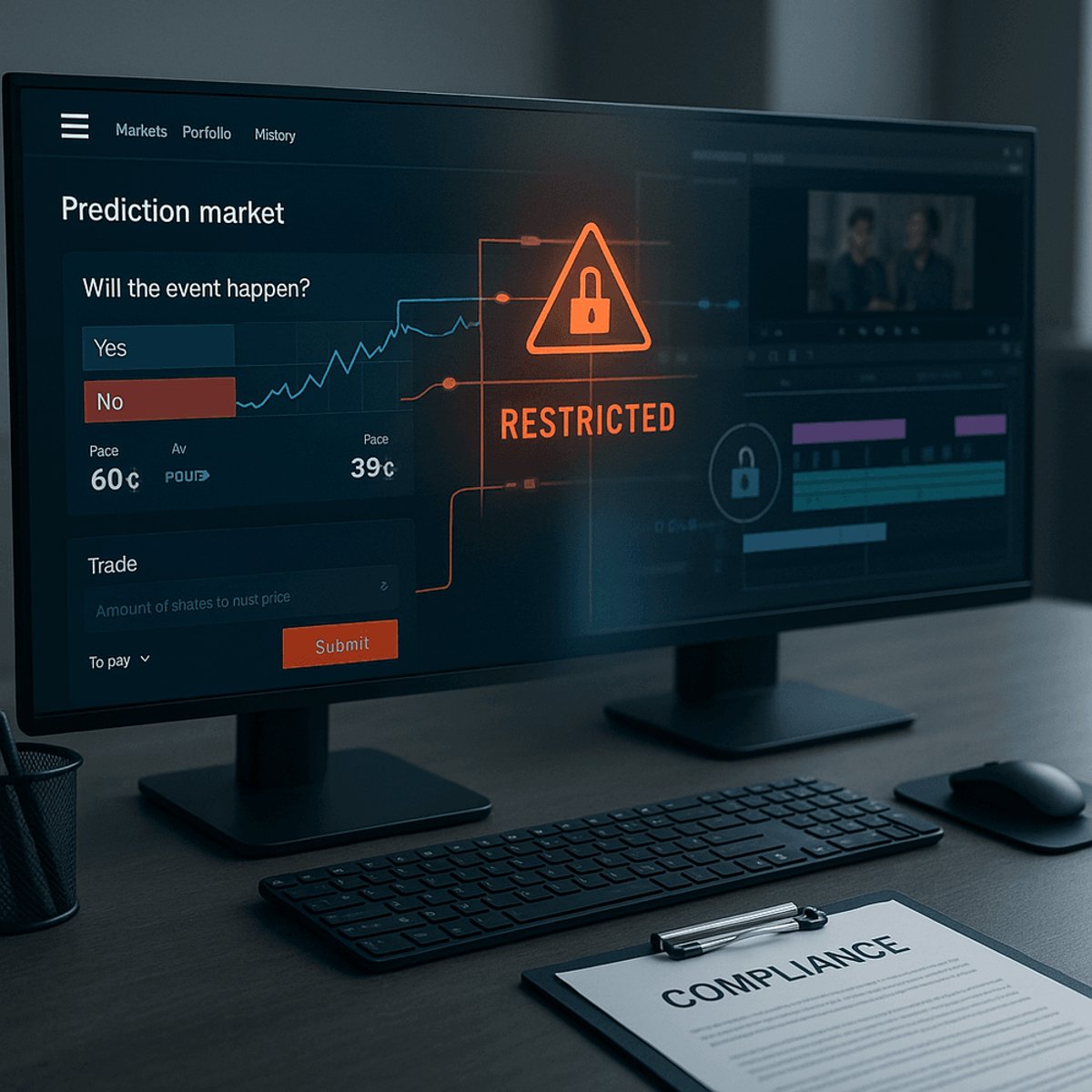
Prediction market platform Kalshi just dropped the hammer on insider trading from an unexpected corner of the creator economy. The company fined Artem Kaptur, a video editor for YouTube megastar MrBeast, over $20,000 for trading on non-public information about the content creator. It's the first major enforcement action linking the booming prediction markets industry to the influencer world, and it signals that platforms are getting serious about policing information asymmetry as celebrity-focused contracts explode in popularity.
Kalshi, the CFTC-regulated prediction market platform, just handed down its most high-profile enforcement action yet, and it involves one of YouTube's biggest empires. The company fined Artem Kaptur, a video editor working for content juggernaut MrBeast, more than $20,000 for what sources describe as trading on insider knowledge about the creator's upcoming projects and announcements.
The case marks uncharted territory for prediction markets. While these platforms have exploded in popularity over the past two years, covering everything from elections to Fed rate decisions, enforcement actions have been rare. But as contracts tied to celebrities, content creators, and entertainment figures proliferate, platforms face a new challenge: how do you prevent people with direct access to outcomes from gaming the system?
Kaptur's alleged violation centered on markets related to MrBeast's content release schedule and project announcements. As someone with direct access to production timelines, upload schedules, and unreleased content details, he would have had asymmetric information that retail traders betting on these markets couldn't access. It's the prediction market equivalent of a studio executive buying stock options before a merger announcement.
Kalshi has been positioning itself as the regulated alternative to crypto-based competitors like Polymarket, which has faced its own controversies around market manipulation and wash trading. The platform received CFTC approval in 2020 and has been steadily expanding its contract offerings, including entertainment and cultural event markets that have proven wildly popular with younger traders.
The MrBeast connection is particularly significant given the creator's massive reach. With over 350 million YouTube subscribers and business ventures spanning chocolate bars to restaurant chains, MrBeast has become a genuine cultural force. Prediction markets have latched onto this influence, creating contracts around his video performance, business announcements, and even personal milestones. That creates a sprawling network of potential insider trading vulnerabilities, from editors and producers to business partners and brand collaborators.
While Kalshi hasn't released detailed documentation of Kaptur's trades, the $20,000 fine suggests either substantial profits from the alleged insider activity or a punitive multiple designed to send a message. The platform's terms of service explicitly prohibit trading on material non-public information, but enforcement has been limited until now. Industry observers say this case could establish important precedent for how prediction markets police the growing intersection between platforms and the creator economy.
The timing is crucial for the prediction markets industry. After Polymarket's controversial role in the 2024 election cycle and ongoing regulatory scrutiny, platforms need to demonstrate they can maintain market integrity without heavy-handed government intervention. Kalshi's proactive enforcement suggests the company is trying to establish credibility as a self-regulating marketplace before regulators step in with stricter rules.
For the creator economy, this raises uncomfortable questions about information flow and trading restrictions. Should production staff, collaborators, and business partners be barred from betting on prediction markets related to their employers? The traditional finance world has clear rules about trading windows and blackout periods, but the influencer industry has operated without such structures. As prediction markets increasingly cover creator-related outcomes, expect to see more formalized policies around who can trade what and when.
The enforcement action also highlights how prediction markets are maturing from novelty betting platforms into financial instruments with real regulatory teeth. When you can trade contracts on everything from YouTube subscriber counts to product launch dates, the line between gambling and securities trading gets blurry fast. Kalshi's move to fine Kaptur signals the platform recognizes it needs to act like a regulated exchange, not a playground for informed insiders to print money.
Neither MrBeast nor Kaptur have publicly commented on the enforcement action. It's unclear whether Kaptur still works for the YouTube star or if the incident has affected his employment status. For Kalshi, the case represents both a challenge and an opportunity: proving it can police markets effectively while continuing to offer the celebrity-focused contracts that drive user engagement.
Kalshi's $20,000 fine against a MrBeast editor isn't just about one person's bad trades. It's a shot across the bow for the entire prediction markets industry as it grapples with explosive growth and regulatory scrutiny. As platforms expand into entertainment, creator economy, and cultural event contracts, they're inheriting the same insider trading vulnerabilities that traditional finance has spent decades trying to contain. The question now is whether self-enforcement will be enough, or if regulators will step in with heavier-handed rules. For creators and their teams, the message is clear: your behind-the-scenes knowledge isn't just a competitive advantage anymore, it's a compliance liability. Expect more platforms to formalize trading restrictions, and don't be surprised if major influencers start implementing blackout periods that look a lot like what public company executives already navigate.