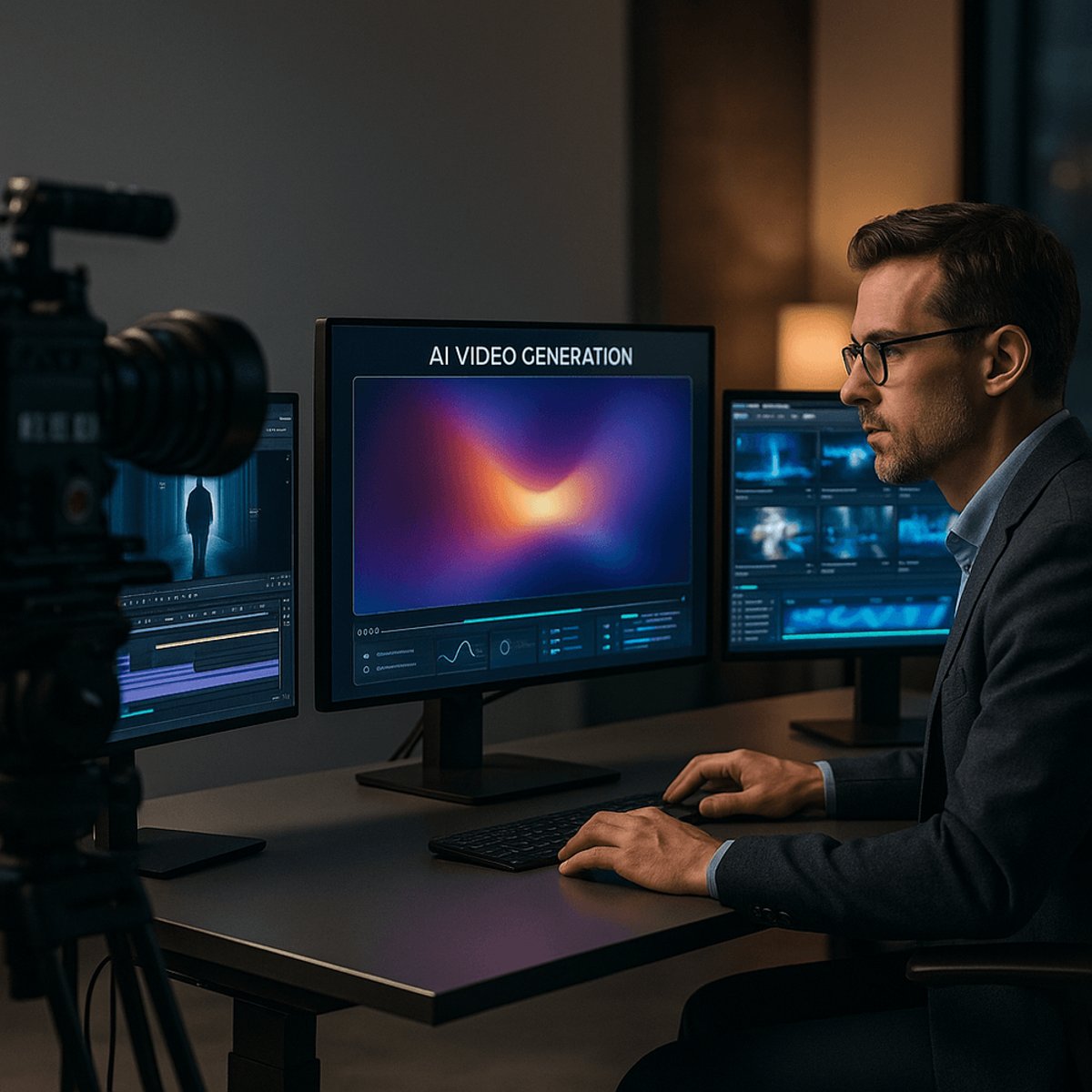
Luma and Wonder Project just drew a new battle line in entertainment production, and it runs straight through a soundstage in Manhattan Beach. The partnership launching Innovative Dreams represents something Hollywood has been circling for months: a production model where generative AI doesn't replace the camera crew, it sits beside them.
The debut project, a three-part Moses special starring Ben Kingsley for Prime Video, was shot entirely on virtual stages using what they're calling "Realtime Hybrid Filmmaking." Think performance capture meets gen AI meets traditional cinematography, all happening simultaneously. Luma's AI handles environment generation and visual effects acceleration while actors perform, directors direct, and the whole production stays anchored in Los Angeles with actual human crews.
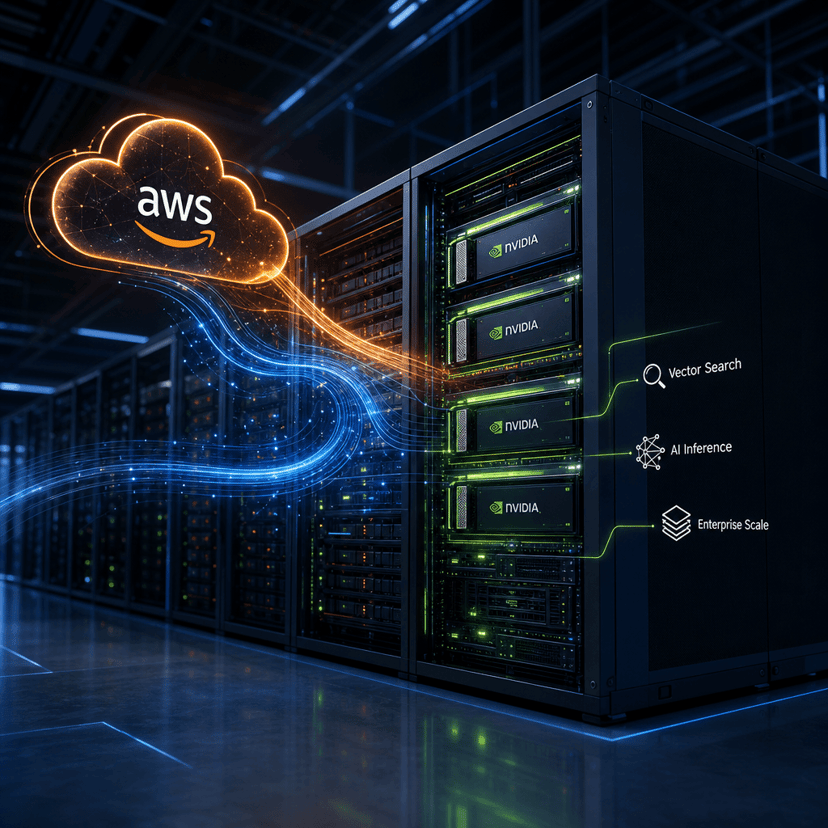
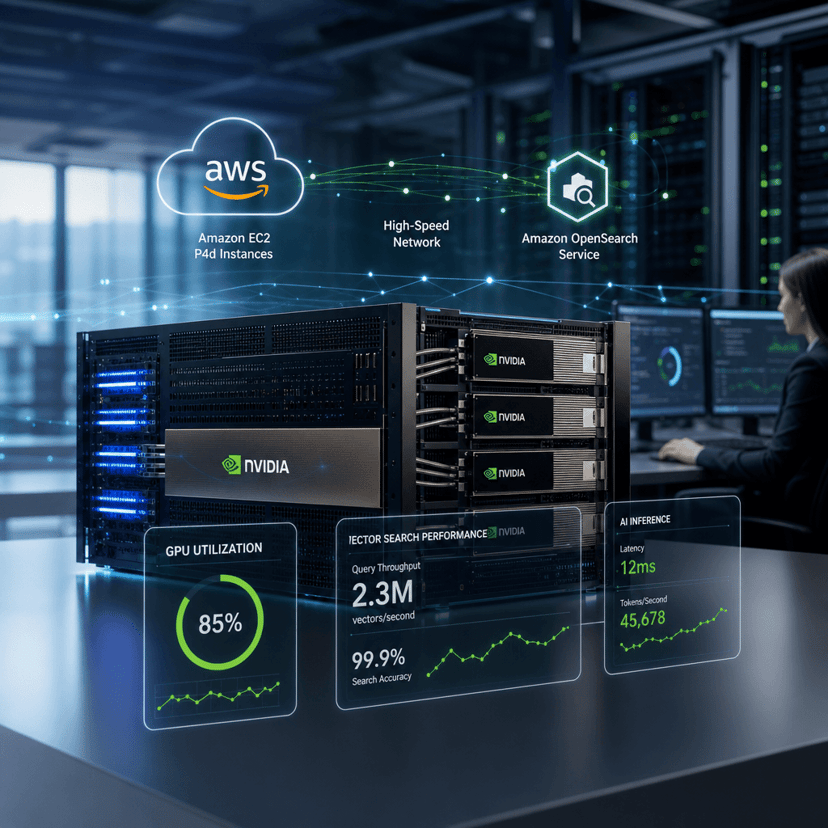
AWS cloud infrastructure powers the backend, processing generative tools fast enough that editorial decisions happen in real time. Actors see digital environments evolve as they react to them. No more shooting against green screens and praying the composites work six months later.
$100B+ Question: Production Economics
The timing matters. Traditional VFX-heavy productions burn through budgets waiting for render farms. A single Marvel film can take 18+ months in post-production alone, with crews scattered globally chasing tax incentives. Innovative Dreams claims their model collapses that timeline while bringing work back to California stages.
For VCs eyeing entertainment tech, this validates a thesis: production tooling is the wedge, not content creation itself. Luma isn't trying to become a studio (unlike what some confused reporting suggested). They're selling the infrastructure layer. Wonder Project is the customer and collaborator, building their own production services company on top of Luma's generative platform.
The Distribution Moat
Prime Video putting this on their platform isn't charity. Amazon's already betting infrastructure dollars through AWS support. Adding distribution creates a vertical integration play where Amazon captures margin at every layer: cloud compute for production, streaming infrastructure for delivery, subscription revenue from viewers.
Faith-based content makes strategic sense as a testing ground. The Chosen proved the audience exists and will tolerate production experimentation if the storytelling works. Religious viewers are less precious about Marvel-level visual polish. They're also underserved by mainstream streaming, creating whitespace where a new production model can prove out before tackling IP-heavy blockbusters.
Founders should note the pattern: Luma CEO Amit Jain isn't positioning this as replacing filmmakers. The entire announcement emphasizes "human collaboration," "preserving performances," and "bringing jobs back." That's deliberate political cover after last year's Hollywood strikes, but it's also product positioning. The tool augments existing workflows rather than threatening to obsolete them.
The technical unlock centers on Luma Agents, production-grade AI tools designed specifically for filmmaker needs. Unlike consumer-facing Dream Machine, these tools integrate directly into professional pipelines. That enterprise focus, backed by Andreessen Horowitz, NVIDIA, and others, suggests Luma sees the business model clearly: sell infrastructure to productions, not subscriptions to hobbyists.
What Actually Changes
For investors and technologists, track what happens after the Moses release this spring. Does Innovative Dreams sign third-party studio clients? Do other production service companies start licensing similar workflows? Most importantly, do LA-based crews actually see more work, or does this just create a different flavor of runaway production?
The education component matters too. Innovative Dreams plans training programs for filmmakers, essentially building a talent pipeline for their own methodology. If you're building infrastructure for creative professionals, the training moat often matters more than the technology moat.
The existential question remains unanswered: can AI-accelerated production maintain the creative quality audiences expect? Kingsley lending his name provides credibility, but one project doesn't establish a pattern. Hollywood is littered with revolutionary production techniques that worked technically but failed commercially.
What's different this time is distribution certainty. Prime Video committed before seeing the final product. That's either supreme confidence or a calculated experiment Amazon can afford to run. Either way, it removes the biggest variable that kills independent productions: finding an audience.
Luma and Wonder Project aren't trying to replace Hollywood. They're trying to rebuild its economics in a way that keeps more of it in California. Whether that works depends less on the technology and more on whether the stories actually connect. Spring 2026 will tell us if audiences care how Moses was made, or just whether it's worth watching.