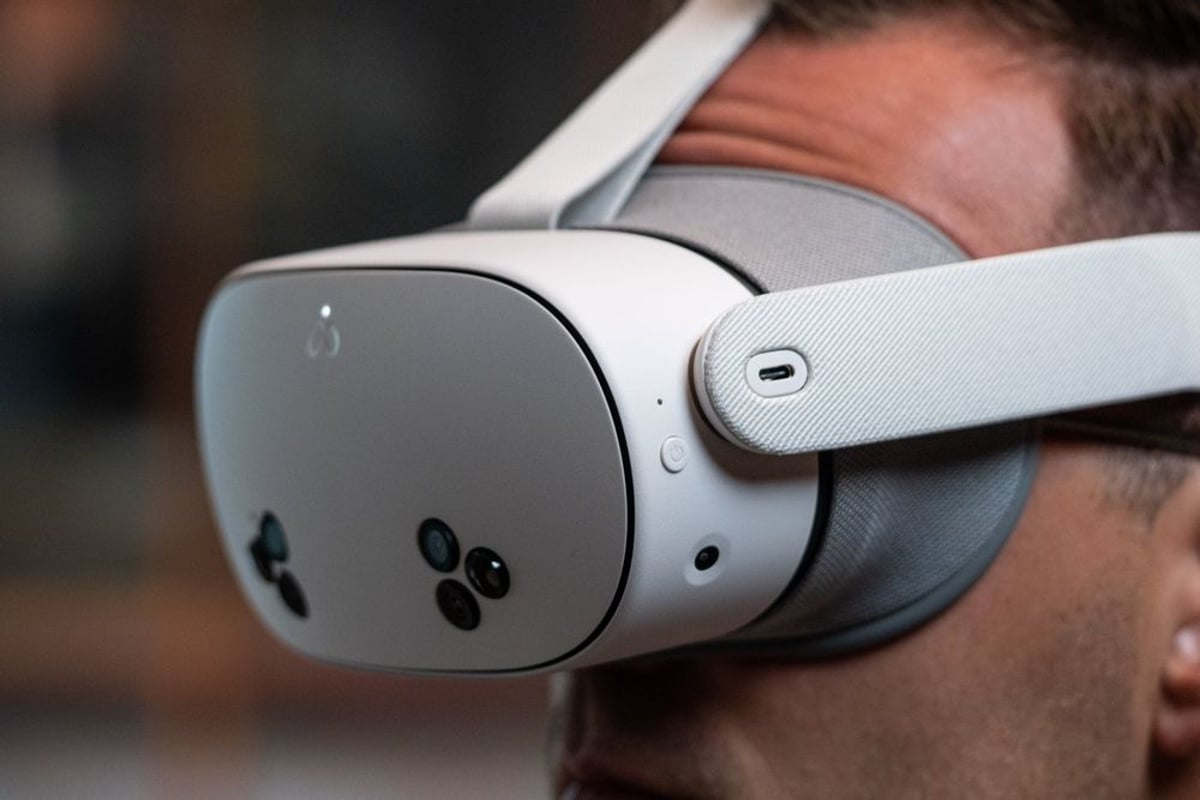
Meta just pulled the plug on Horizon Workrooms, the corporate VR collaboration platform that Mark Zuckerberg championed just before rebranding to Meta two years ago. The company is nuking commercial VR entirely - ending sales of enterprise headsets and managed services effective February 2026. It's the clearest sign yet that Zuckerberg's metaverse vision has completely pivoted away from the fully immersive VR world he once imagined.
Meta just announced it's shutting down Horizon Workrooms on February 16, 2026, according to a help page notice that landed quietly in the company's support docs. The announcement feels almost apologetic - "Meta has made the decision to discontinue Workrooms as a standalone app" - yet it represents a stunning reversal of the company's VR-first strategy.
The real blow lands days later. Meta is also stopping sales of Meta Horizon managed services and commercial Quest headsets effective February 20, effectively nuking its entire enterprise VR push. Any existing customers get free licenses after February, but the signal is unmistakable: corporate VR isn't happening.
This came after Meta just laid off roughly 1,000 people from Reality Labs - about 10% of the entire division. In the cascade of job cuts that followed, the company shuttered three of its hard-won VR game studios. It's also killing Supernatural, Meta's flagship VR fitness app that actually had real users, and gutted the team behind Batman: Arkham Shadow.
The Horizon Workrooms shutdown is particularly stinging because Zuckerberg personally introduced the app to us back in August 2021, just two months before he pivoted the entire company toward the metaverse concept. He stood in a virtual conference room and pitched it as the future of remote work - avatars collaborating in 3D space with virtual whiteboards and persistent workspaces. It was supposed to be the killer app that made VR mandatory for business.
But it never caught on. Enterprise adoption stayed minimal. Most workers preferred Zoom, Teams, and regular video calls. The idea that you'd strap on a headset for an 8-hour workday never materialized. Now Meta's moving on.
Meta CTO Andrew Bosworth already flagged the direction shift in an internal memo obtained by Bloomberg. The company's Horizon team will "double down on bringing the best Horizon experiences and AI creator tools to mobile" instead. Translation: forget the headsets. The metaverse is now on your phone.
This reframing matters. Bloomberg reports that Meta will keep developing the metaverse concept, but "with a focus on mobile phones instead of the fully immersive VR headsets that the company initially imagined." It's a definitional pivot so complete it almost rewrites what "metaverse" means. The term, coined by Neal Stephenson in Snow Crash, originally described a fully immersive shared virtual world. But if you squint, you could call Fortnite a metaverse, and Meta's betting that most people will accept a less immersive experience on their phones.
For Meta, the numbers apparently tell a different story than expected. The primary audience for Quest headsets skews younger - teens and kids - not office workers. VR gaming had fans, but they were niche. Meanwhile, Zuckerberg's learned that AI creator tools and mobile experiences reach bigger audiences with less friction. No wonder he's reallocating billions toward smart glasses and phones rather than VR headsets.
The company is offering Workrooms users a consolation prize: alternatives like Microsoft Teams, Zoom Workplace, or Arthur for their video conferencing needs. Meta's also keeping the Meta Quest Remote Desktop app alive so people can still use VR headsets to emulate multiple monitors on their desk - basically the one enterprise use case that actually worked. For existing Meta Horizon managed services customers, they can keep access through January 4, 2030, and their licenses become free after the February shutdown. It's a soft landing, but the destination is clear: VR-first is dead.
What's telling is what Meta isn't killing - Horizon Worlds, the consumer-focused metaverse platform, will continue but with a mobile-first approach. The company seems to be betting that virtual worlds work better as social spaces for kids and teens on phones than as productivity tools for corporate workers in headsets. It's a humbler vision than what Zuckerberg pitched in 2021, but probably a more realistic one.
Meta's shutdown of Horizon Workrooms marks the end of Zuckerberg's VR-first corporate vision. The company is cutting loose an expensive bet that didn't pay off - immersive work collaboration never became mainstream, and the audience for Quest headsets turned out to be younger consumers gaming, not office workers in Zoom meetings. What's emerging instead is a messier, more fragmented metaverse play focused on mobile, AI tools, and social experiences. It's cheaper to build, easier for users to adopt, and probably more realistic. For anyone who believed in the original metaverse dream, though, it's a sobering retreat.