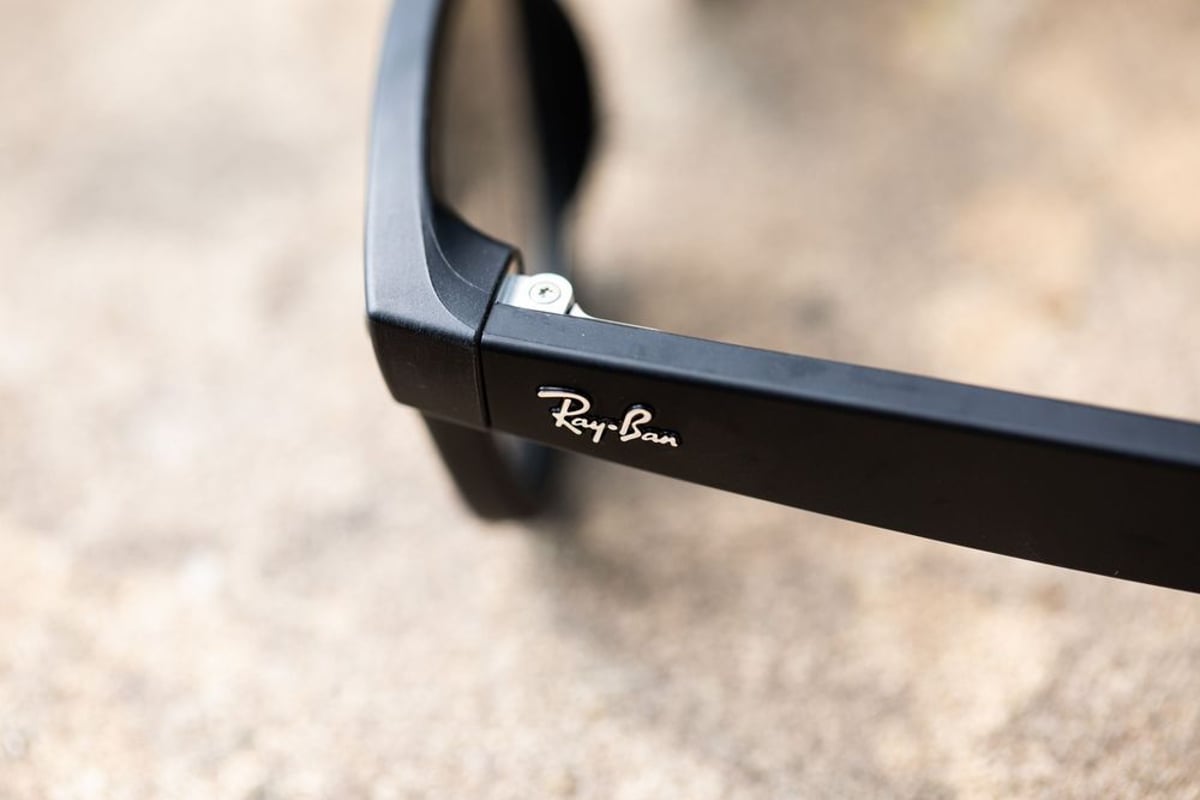
Meta is gearing up to launch two new Ray-Ban AI glasses models, according to FCC filings published earlier this month. The documents describe the tested devices as production units, signaling that the company's third-generation AI wearables could hit shelves within weeks. This move comes as Meta doubles down on AI-powered hardware, pushing deeper into the consumer wearables market alongside partners EssilorLuxottica.
Meta just tipped its hand on the next wave of AI wearables. The company and its hardware partner EssilorLuxottica are ready to ship two new Ray-Ban AI glasses models, according to FCC filings that surfaced earlier in March. The documents label the tested devices as production units, not prototypes, suggesting an imminent consumer launch.
The timing tells the real story here. When Meta unveiled its second-generation Ray-Ban smart glasses in late 2023, it did so roughly a month after clearing FCC hurdles. If the company follows that playbook again, we're looking at an announcement sometime in April or early May. That would put Meta on an aggressive 18-month update cycle for its AI glasses line, a pace that signals serious commitment to the category.
Meta hasn't disclosed technical specs or new features yet, but the fact that two separate models cleared regulatory testing points to expanded options for consumers. The second-gen glasses came in multiple Ray-Ban frame styles, so these new filings likely represent different design variants rather than entirely different product tiers. Still, the production-ready designation means Meta's already manufacturing units, not just tinkering with prototypes.
The move comes as Meta's AI glasses strategy gains real traction. The company's partnership with EssilorLuxottica, which owns Ray-Ban, transformed what could have been another Google Glass disaster into something people actually want to wear. By hiding cameras and AI capabilities inside fashionable frames that don't scream "tech nerd," Meta solved the social stigma problem that killed earlier smart glasses attempts.
Meta's broader hardware ambitions are shifting noticeably. While the company still pumps billions into its Quest VR headsets and the elusive metaverse dream, AI glasses represent a more pragmatic bet on ambient computing. These devices don't ask users to strap screens to their faces or disappear into virtual worlds. They just add a layer of AI assistance to everyday life, capturing photos, recording video, and answering questions through voice commands.
The competitive landscape is heating up too. Apple continues working on its own AR glasses project, though those remain years away from launch. Snap has its Spectacles, but those haven't gained meaningful consumer adoption. Amazon tried and failed with Echo Frames. Meta's actually shipping products people buy, which puts it ahead in a race most competitors are still warming up for.
What's interesting is Meta's apparent confidence in the category. Launching a third generation this quickly suggests the second-gen glasses sold well enough to justify continued investment. The company hasn't released sales figures, but anecdotal reports indicate decent consumer interest, particularly after Meta added AI features powered by its Llama language models.
The production timeline also reveals Meta's supply chain maturity. Getting AI-enabled glasses from concept to mass production in 18 months requires sophisticated manufacturing partnerships and component sourcing. EssilorLuxottica brings decades of eyewear expertise, while Meta contributes the AI software and miniaturized electronics. That combination is proving harder for competitors to replicate than many expected.
Industry watchers will be looking for what new AI capabilities Meta bakes into this third generation. The second-gen models added real-time translation, object recognition, and conversational AI features. Potential upgrades could include improved battery life, better camera quality, or enhanced AR overlays, though true augmented reality displays likely remain further out.
The bigger question is whether AI glasses become a mainstream category or remain a niche product for early adopters. Meta's betting billions that wearable AI represents the next computing platform after smartphones. These FCC filings suggest the company isn't slowing down that bet, even as its metaverse investments face skepticism from Wall Street and consumers alike.
For now, Meta's strategy appears to be flood the market with options and iterate quickly. Two new models mean more price points, more styles, and more chances to find product-market fit. If the April-May launch timeline holds, we'll soon see whether Meta's AI glasses can break out of the enthusiast bubble and into genuine consumer adoption.
Meta's FCC filings reveal a company moving fast on AI wearables while the competition is still figuring out the basics. Two production-ready models hitting regulatory approval means we're weeks, not months, from seeing what Meta learned from its second-gen glasses. The real test isn't whether Meta can ship new hardware, it's whether consumers are ready to make AI glasses part of their daily routine. If these third-gen models land with meaningful improvements and the right price points, Meta could actually establish the category before Apple and others even enter the race. That's the kind of hardware lead the company desperately needs as it tries to define computing's next chapter.