Microsoft just flipped on MAI-Image-1, its first in-house AI image generator, marking a major step in the tech giant's quiet campaign to reduce dependence on OpenAI. The model is now live in Bing Image Creator and Copilot Audio Expressions, with Microsoft AI chief Mustafa Suleyman touting its speed advantage over larger competitors.
Microsoft just turned the tables on the AI image generation game. The company's first in-house image model, MAI-Image-1, is now generating images for millions of users through Bing Image Creator and powering visual storytelling in Copilot Audio Expressions. It's a calculated move that puts Microsoft squarely in competition with its biggest AI partner, OpenAI.
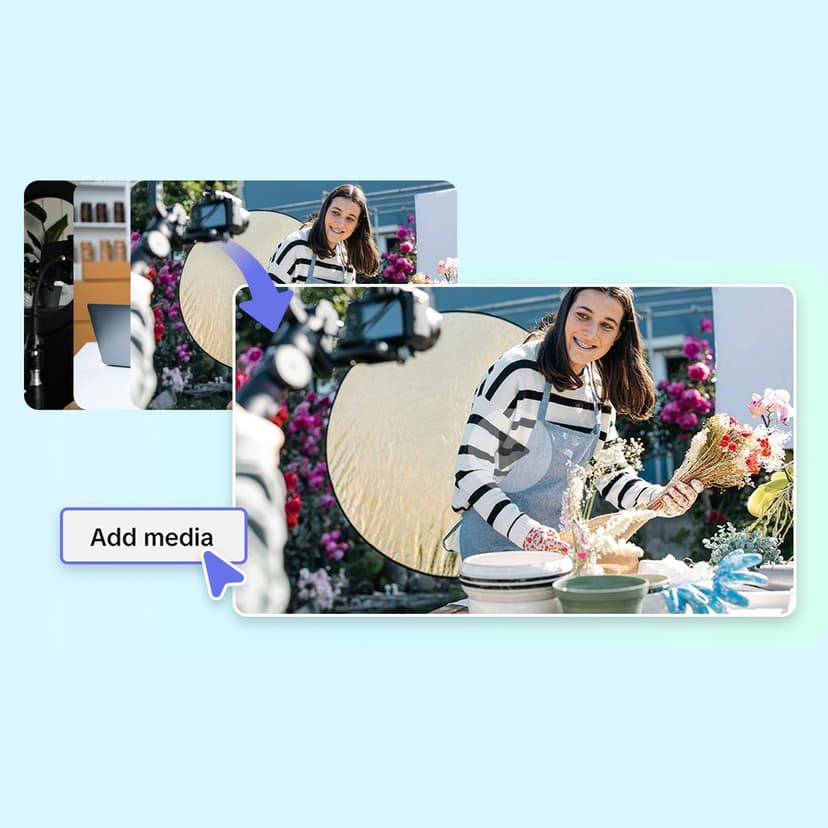
The timing couldn't be more telling. While Microsoft continues upgrading its core Copilot chatbot to OpenAI's latest GPT-5 and offering Anthropic's Claude models as alternatives, it's simultaneously building its own AI arsenal. "MAI-Image-1 excels at generating photorealistic imagery, like lighting, bounce light, reflections, landscapes, and much more," the company explained in a detailed blog post. "This is particularly so when compared to many larger, slower models."
Microsoft AI chief Mustafa Suleyman highlighted the model's sweet spot in a post on X, noting it "really excels at" food photography, nature scenes, and artsy lighting effects. The emphasis on speed over scale reflects Microsoft's pragmatic approach - get users results faster rather than chasing the biggest possible model.
The deployment strategy reveals Microsoft's broader AI ambitions. MAI-Image-1 now sits alongside OpenAI's DALL-E 3 and GPT-4o in Bing's image creator toolkit, giving users three distinct options. But it's the integration with Copilot Audio Expressions that shows Microsoft's vision - the model automatically generates accompanying artwork for AI-narrated stories, creating a seamless multimedia experience.
This isn't Microsoft's first rodeo with homegrown AI. Back in August, the company quietly launched MAI-Voice-1 for speech and MAI-1-preview for text generation, signaling a broader strategy to reduce its reliance on OpenAI's models. The company had hinted it would integrate MAI-1-preview into Copilot for "certain unspecified cases" - a diplomatic way of testing waters for eventual OpenAI alternatives.
The competitive landscape just got more complex. While Microsoft maintains its massive OpenAI partnership - the companies have invested billions in their collaboration - this homegrown model strategy creates interesting dynamics. Users can now choose between Microsoft's optimized-for-speed approach or OpenAI's established DALL-E ecosystem, all within the same Microsoft products.
European users won't have to wait much longer, with Suleyman confirming EU availability is "coming soon." That's particularly significant given Europe's stricter AI regulations, where having models developed in-house gives Microsoft more control over compliance and data handling.
The broader implications extend beyond image generation. Microsoft's MAI series represents a hedge against over-dependence on any single AI provider, even its closest partner. As AI becomes central to every Microsoft product from Office to Azure, having proprietary alternatives provides both negotiating leverage and technical insurance.
For users, this means more choice and potentially better performance. Microsoft's emphasis on speed and iteration aligns with how people actually use AI tools - generating multiple variations quickly rather than waiting for one perfect result. The integration across Bing and Copilot also demonstrates how Microsoft is thinking about AI as a unified experience rather than isolated features.
Microsoft's MAI-Image-1 launch represents more than just another AI tool - it's a strategic declaration of independence from pure OpenAI dependence. By offering users multiple AI options within the same products, Microsoft is hedging its bets while giving customers more choice. The focus on speed and practical use cases over raw model size suggests Microsoft understands how people actually work with AI tools. As the company expands to European markets and continues building its MAI series, we're watching the emergence of a true multi-vendor AI ecosystem within Microsoft's products. The question now isn't whether Microsoft will reduce its OpenAI reliance, but how quickly it can scale its homegrown alternatives without disrupting the partnerships that built its AI leadership position.