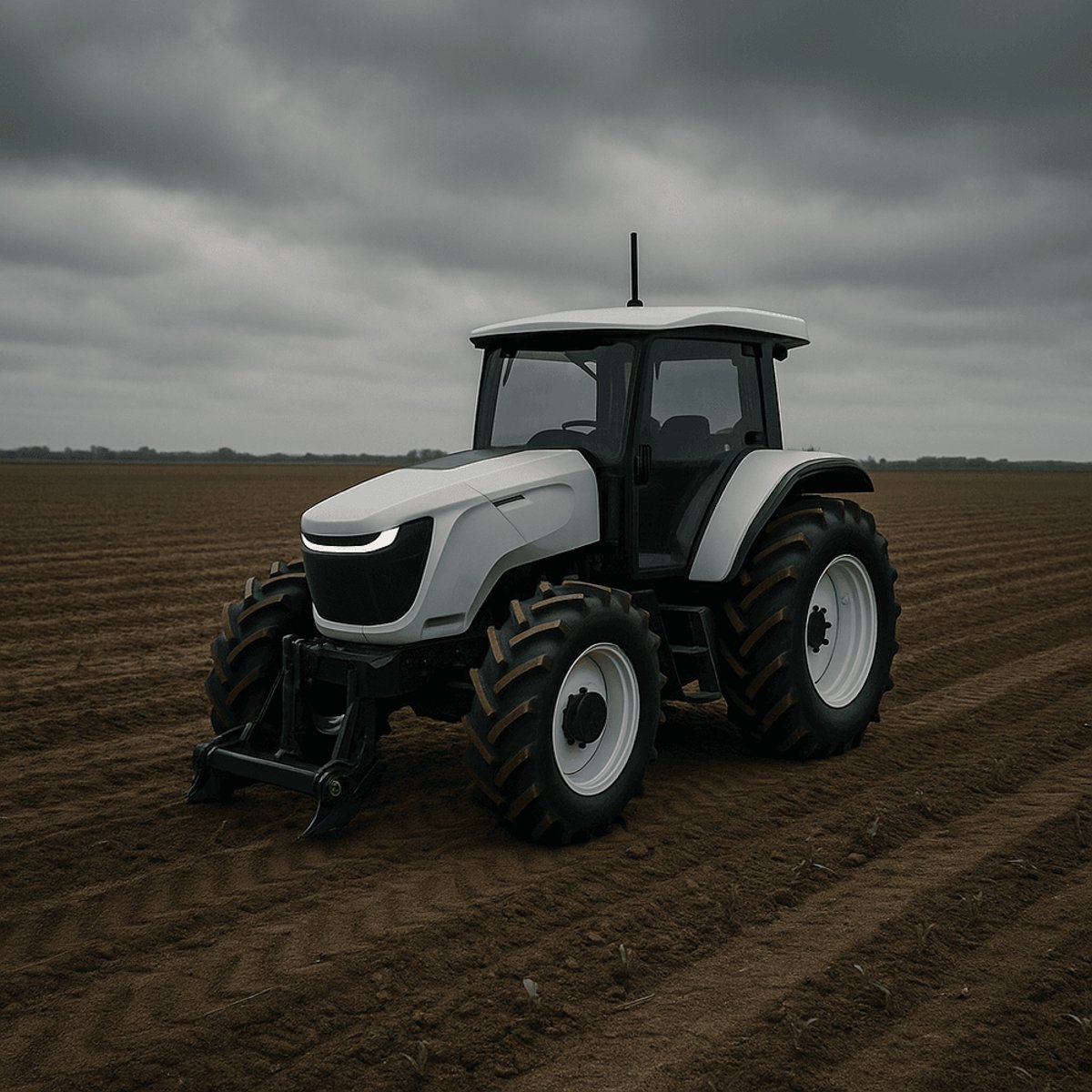
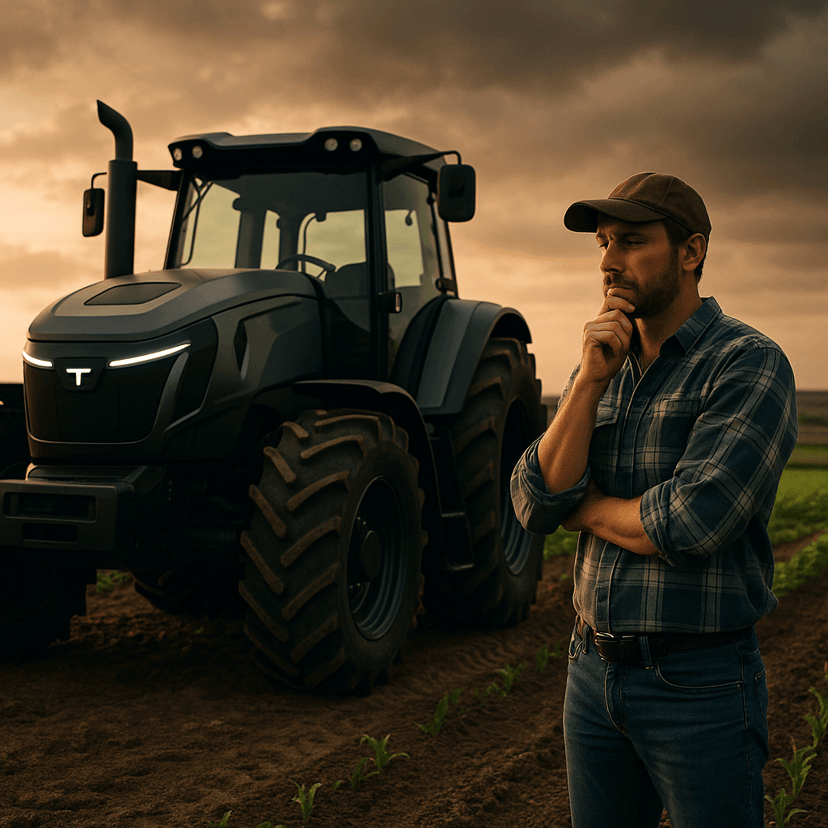
Autonomous electric tractor startup Monarch Tractor warned employees Thursday it may lay off more than 100 workers or potentially shut down entirely, according to an internal memo obtained by TechCrunch. The agricultural robotics company, which raised $220 million to build driver-optional farm vehicles, is struggling with its pivot from hardware manufacturing to software licensing as lawsuits challenge whether its autonomous technology ever worked properly.
Monarch Tractor just delivered the kind of memo no startup founder wants to send. The autonomous farming company warned staff Thursday it might need to cut 102 jobs - or worse, shut down completely - as its desperate pivot from hardware to software hits a wall.
The internal document, obtained by TechCrunch, comes after weeks of quiet layoffs across the company's California headquarters and remote teams in India and Singapore. Multiple former employees confirmed the cuts to TechCrunch on condition of anonymity, painting a picture of a company in crisis.
Founded in 2018 with Silicon Valley pedigree - including Tesla Gigafactory veteran Mark Schwager and Mondavi wine family heir Carlo Mondavi - Monarch seemed destined for AgTech stardom. The company raised at least $220 million, including $133 million just this year, promising "driver optional" electric tractors for vineyards and farms.
But the autonomous agriculture dream is colliding hard with reality. Despite claiming 500 tractors shipped, Monarch faces a damning lawsuit from Idaho dealership Burks Tractor alleging the vehicles were "unable to operate autonomously" and plagued with "significant problems." The lawsuit, first reported by TechCrunch, strikes at the heart of Monarch's value proposition.
Worse yet, Monarch lost its manufacturing lifeline when Foxconn ended their partnership earlier this year, forcing the startup to abandon hardware production entirely. CEO Praveen Penmesta announced a restructuring in late 2024, pivoting toward software licensing and expanding beyond agriculture into golf course maintenance and dairy farming.
The Thursday memo reveals just how precarious this pivot has become. "The new business plan will enable Monarch customers to launch fully commercialized software as a service autonomy and other software offerings direct to consumers," Monarch's HR team wrote. But then came the gut punch: "Unfortunately, the timing for completing the transition to the new business plan puts Monarch at risk of shut down."
The timing couldn't be worse for AgTech. While agricultural robotics promised to revolutionize farming through automation, the sector is littered with startups that overpromised and underdelivered. Monarch's struggles echo broader challenges in autonomous vehicle technology, where complex real-world conditions consistently humble even the most sophisticated AI systems.
Schwager's departure in July, announced via LinkedIn, now reads like a warning sign. "We started Monarch with a daring vision: that farming could be electrified, automated, smart and made more profitable - all at once," he wrote, diplomatically explaining his exit while remaining on the board. His timing looks prescient given today's developments.
The potential layoffs would gut what remains of Monarch's workforce. The company employed around 300 people in late 2024 before cutting more than 10% during restructuring. Recent quiet layoffs have already thinned the ranks further, though exact numbers remain unclear as Penmesta hasn't responded to media requests.
For investors who poured $220 million into autonomous farming's promise, Monarch's troubles highlight the gap between agricultural robotics hype and harsh operational realities. The company's pivot to pure software might make financial sense, but the legal challenges and manufacturing setbacks suggest deeper technological issues that software alone can't solve.
Monarch Tractor's crisis exposes the harsh realities facing autonomous vehicle startups beyond just cars and trucks. The agricultural robotics sector, once seen as a more manageable testing ground for self-driving technology, is proving just as challenging when it comes to delivering reliable, profitable automation. For the broader AgTech ecosystem, Monarch's struggles serve as a sobering reminder that raising hundreds of millions doesn't guarantee success when the underlying technology fails to meet real-world demands. The company's fate now hangs on whether it can execute a software-only pivot fast enough to avoid joining the growing list of well-funded autonomous vehicle casualties.