Elon Musk just tied his unprecedented $1 trillion Tesla pay package to something that sounds ripped from science fiction: maintaining "strong influence" over what he repeatedly called a "robot army." During Wednesday's earnings call, the world's richest man made his most explicit argument yet for why shareholders should hand him both massive compensation and expanded voting control over the company's humanoid robot ambitions.
Tesla CEO Elon Musk just turned a routine earnings call into something that sounds like the opening scene of a dystopian thriller. During Wednesday's investor update, Musk made his most direct pitch yet for why shareholders should approve his staggering $1 trillion compensation package - and it all comes down to robots.
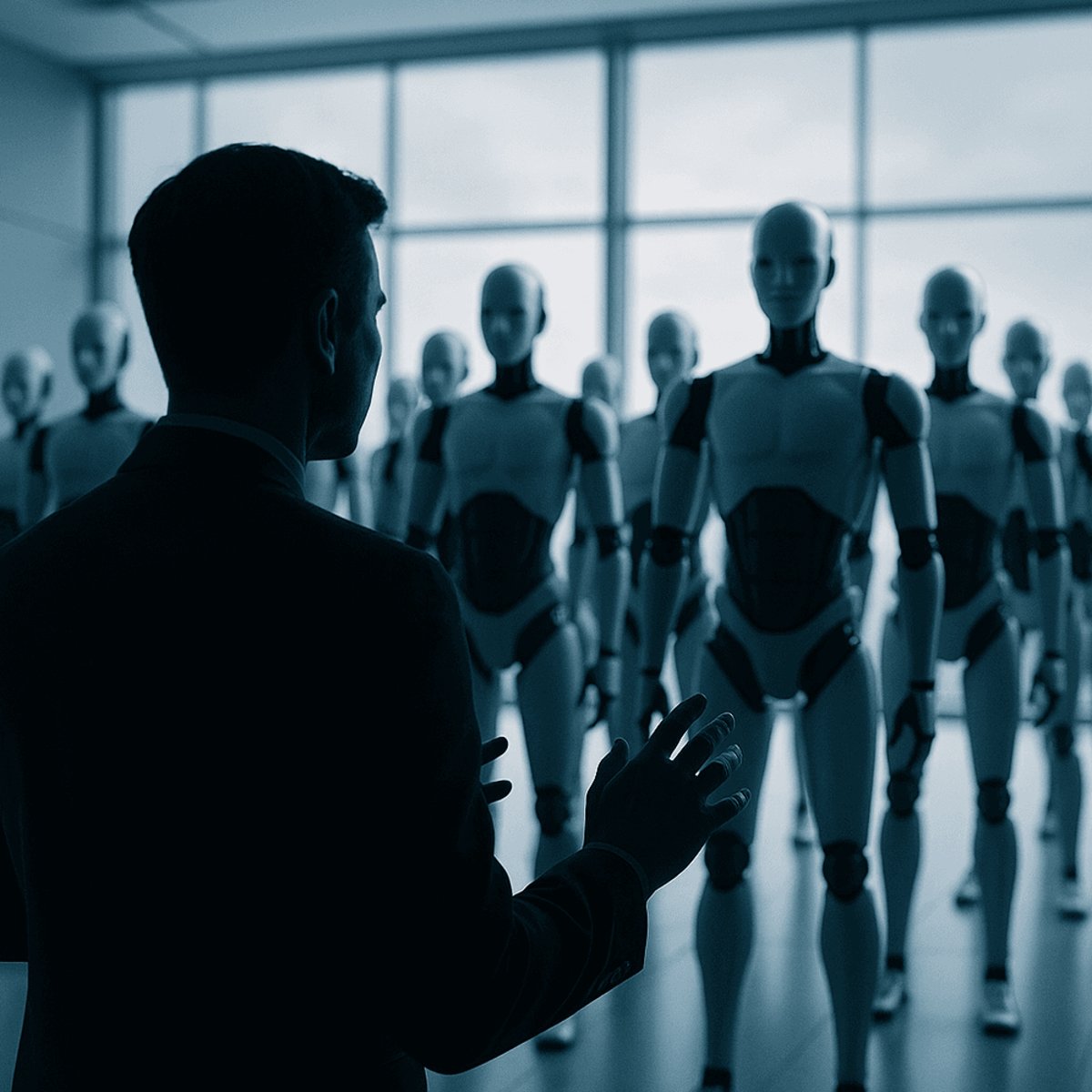
"My fundamental concern with regard to how much voting control I have at Tesla is, if I go ahead and build this enormous robot army, can I just be ousted at some point in the future?" Musk said, according to the full earnings call transcript. "If we build this robot army, do I have at least a strong influence over this robot army? Not control, but a strong influence."
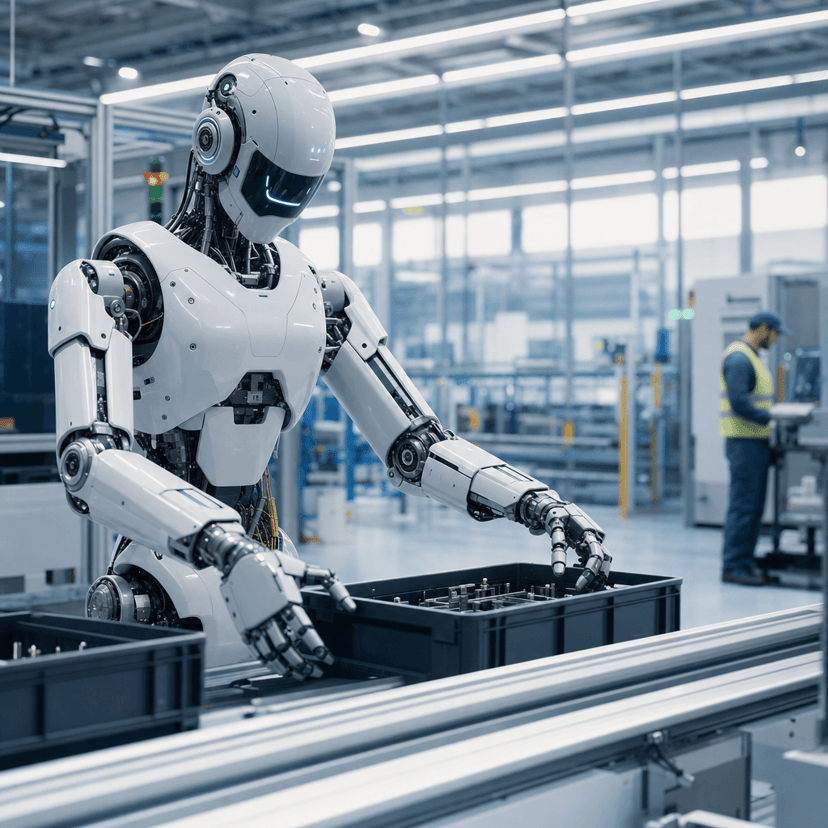
The stakes couldn't be higher. Tesla shareholders will vote in November on a board proposal that would pay Musk $1 trillion over the next decade while boosting his ownership stake from 13% to 25%. But there's a catch - Musk only gets paid if he hits a series of ambitious milestones, including delivering 20 million vehicles, operating 1 million robotaxis, achieving an $8.5 trillion valuation, and crucially, delivering 1 million Optimus humanoid robots.
Musk's language around the Optimus project has grown increasingly militant, even as he continues to pitch the robots as benevolent helpers. "I don't feel comfortable building that robot army unless I have a strong influence," he told investors, using the phrase "robot army" multiple times during the call.
The Tesla CEO has long positioned Optimus as humanity's salvation from manual labor. "Working will be optional, like growing your own vegetables, instead of buying them from the store," he posted on X this week. During Wednesday's call, he painted an even grander vision: "Tesla's robots would actually create a world where there is no poverty, where everyone has access to the finest medical care."
But the reality check comes in Tesla's actual production timeline. While the company initially set internal goals to produce 5,000 Optimus units this year, The Information reported that Tesla scaled back those plans over the summer. On Wednesday, Musk admitted the company would only have a "production-intent prototype" ready by February or March, with full-scale production starting at the end of 2026.
The technical challenges are significant. Musk spent considerable time discussing the difficulty of building humanoid hands and forearms, confirming earlier reporting that these features have proven especially challenging for Tesla engineers. The admission adds context to revelations that Optimus robots at Tesla's 2024 Cybercab event were remotely operated by humans, not fully autonomous as initially presented.
For Musk, Optimus represents what he calls "an infinite money glitch," arguing that universal demand for personal robots will drive Tesla's valuation to astronomical heights. He's previously claimed Tesla could be worth up to $20 trillion - more than five times Nvidia's current market cap.
The compensation package vote represents more than just executive pay - it's essentially a referendum on Musk's vision of Tesla as an AI and robotics company rather than just an automaker. His insistence on maintaining "strong influence" over the robot division raises questions about corporate governance and the concentration of power over potentially transformative technology.
Industry observers note the irony in Musk's framing. While he speaks of Optimus creating a poverty-free world, his demands for control echo concerns that have long surrounded AI development - namely, who gets to decide how powerful autonomous systems are deployed and controlled.
The November shareholder vote will ultimately determine whether Tesla investors buy into Musk's robotic future and his role as its architect. But his repeated use of military terminology suggests he sees this as more than a business decision - it's a battle for control over what could become one of the most influential technologies of the next decade.
Musk's "robot army" rhetoric transforms Tesla's November compensation vote into something much bigger than executive pay - it's a decision about who controls the future of humanoid robotics. While Optimus remains largely in prototype phase with significant technical hurdles ahead, Musk's insistence on maintaining "strong influence" over the technology raises fundamental questions about power concentration in AI development. Tesla shareholders aren't just voting on a $1 trillion payday; they're deciding whether to hand Musk expanded control over what he clearly sees as a transformative - and potentially dangerous - technology. The outcome will signal how much faith investors have in Musk's vision of a robot-powered future, and whether they trust him to wield that influence responsibly.