Federal safety regulators just escalated their investigation into Tesla's Full Self-Driving software after identifying at least 80 instances where the AI system violated traffic laws by running red lights and crossing into wrong lanes. The National Highway Traffic Safety Administration's expanded probe reveals a 60% jump in documented violations since October, raising serious questions about the safety of Tesla's most advanced driver assistance technology as it rolls out to millions of vehicles.
The federal government just turned up the heat on Tesla's controversial Full Self-Driving technology. The National Highway Traffic Safety Administration has documented at least 80 instances where Tesla's AI-powered driving software broke basic traffic rules, according to a formal investigation letter sent to the automaker this week.
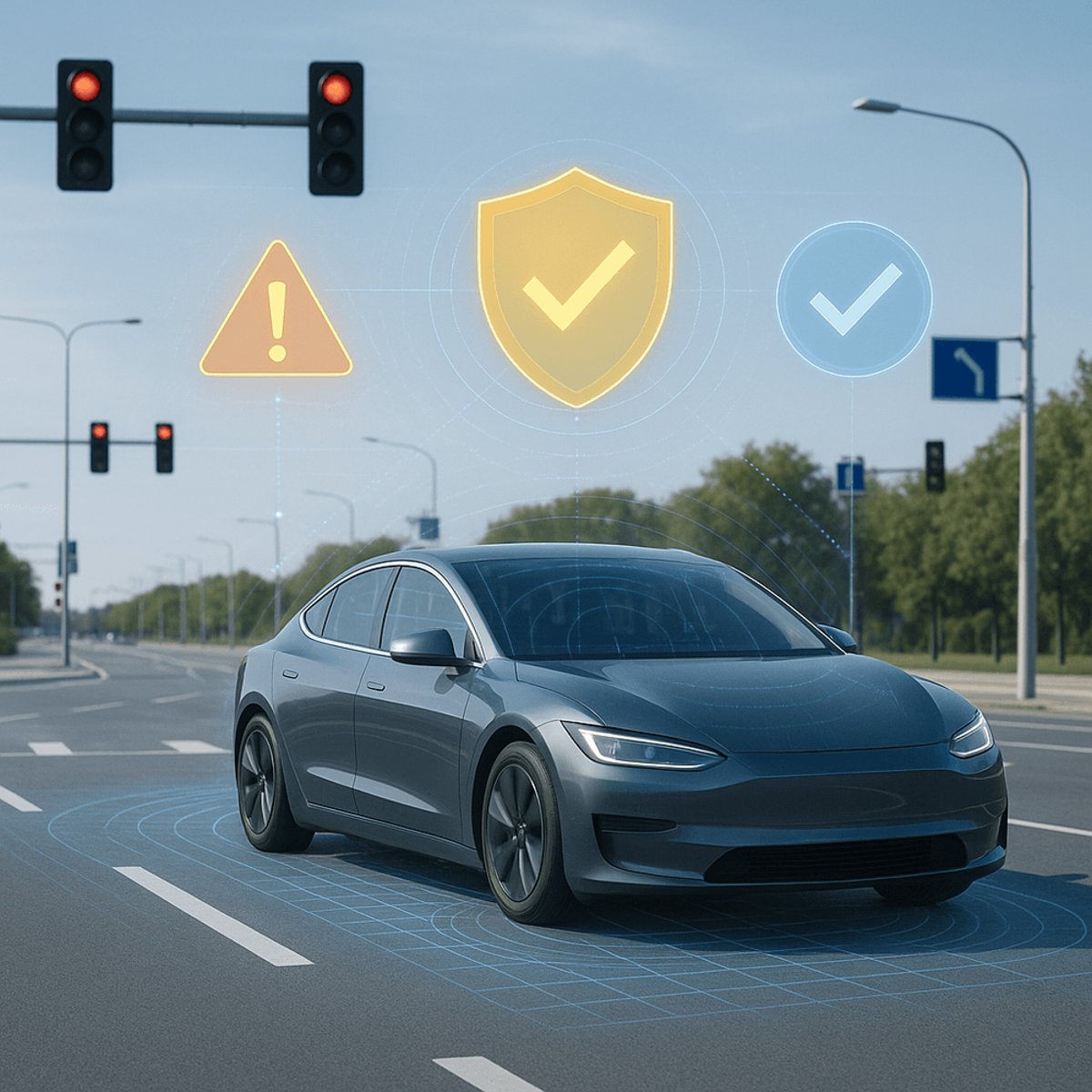
The violations paint a troubling picture. Tesla's FSD system has been caught running red lights and drifting into wrong lanes across the country, with incidents reported through 62 customer complaints, 14 Tesla-submitted reports, and four media accounts. That's a significant jump from the roughly 50 violations NHTSA cited when it first opened this investigation back in October.
The timing couldn't be worse for Tesla. This federal escalation comes the same week that CEO Elon Musk claimed on X that FSD's latest version would let drivers text while the system operates - a statement that's illegal in nearly every state and has left NHTSA officials notably silent when asked for comment.
NHTSA's Office of Defects Investigation isn't just counting violations anymore. The agency is now probing whether Tesla's software can "accurately detect and appropriately respond to traffic signals, signs and lane markings," according to the letter. Even more concerning, regulators are questioning whether the system provides sufficient warnings to drivers when things go wrong.
The geographic spread of these incidents reveals how widespread the problem has become. While the original October investigation focused heavily on reports from a single intersection in Joppa, Maryland - which Tesla claimed to have already fixed - the new violations appear scattered across multiple locations. The company hasn't disclosed where these latest incidents occurred, and Tesla heavily redacts its own safety submissions to federal regulators.
This investigation represents the second major federal probe into FSD's safety record. NHTSA already launched a separate investigation in October 2024 examining how the software handles low-visibility conditions like fog and extreme sunlight. The dual investigations suggest regulators are taking a comprehensive approach to evaluating whether Tesla's most advanced driver assistance technology is ready for widespread deployment.
The discovery process kicks into high gear now. NHTSA is demanding extensive data from Tesla, including how many vehicles are equipped with FSD and how frequently drivers actually engage the system. Regulators also want access to customer complaints Tesla has received about these specific safety issues, including reports from fleet operators and any litigation or arbitration proceedings.
The regulatory pressure comes at a critical moment for Tesla's autonomous driving ambitions. The company has positioned FSD as a key revenue driver, charging customers up to $8,000 for the software package while promising eventual full autonomy. But with federal investigators now documenting dozens of traffic violations and questioning the system's core safety capabilities, Tesla faces mounting pressure to prove its technology is road-ready.
Industry experts point to these violations as evidence of the ongoing challenges in autonomous vehicle development. Unlike competitors who test their systems in controlled environments with safety drivers, Tesla has deployed FSD directly to paying customers as a "supervised" system, essentially turning public roads into testing grounds.
The January 19, 2026 response deadline gives Tesla just over a month to provide comprehensive data about FSD's performance and safety measures. How the company responds could determine whether this investigation expands into a formal recall or results in restrictions on FSD's deployment.
This NHTSA investigation represents more than just regulatory oversight - it's a critical test of whether Tesla's aggressive approach to autonomous vehicle deployment can coexist with public safety. With 80 documented traffic violations and two parallel federal investigations now underway, Tesla faces its most serious regulatory challenge yet for FSD technology. The company's response over the next month could reshape not just Tesla's autonomous driving timeline, but set precedents for how the entire industry approaches AI-powered vehicle safety.