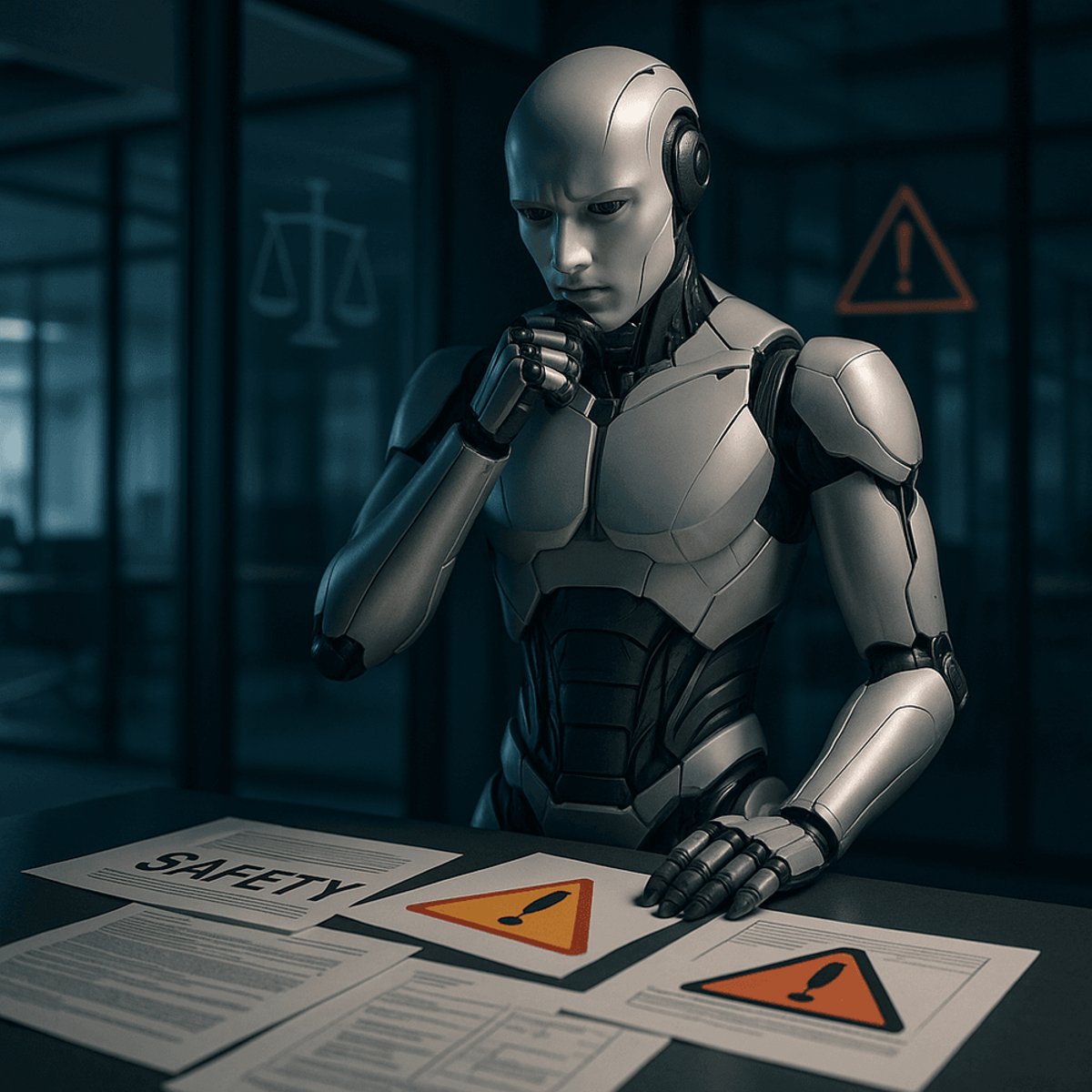
Figure AI just got slammed with a federal whistleblower lawsuit that's sending shockwaves through the robotics world. The company's former head of product safety claims he was fired for warning executives their humanoid robots were "powerful enough to fracture a human skull" - allegations that come just two months after the startup hit a staggering $39 billion valuation.
The timing couldn't be worse for Figure AI. Just as the humanoid robotics startup was riding high on its meteoric $39 billion valuation, a bombshell lawsuit landed Friday that threatens to expose serious safety cracks in the company's rush to market.
Robert Gruendel, Figure's former principal robotic safety engineer, filed the suit in Northern District of California federal court, painting a disturbing picture of a company that allegedly treated safety warnings as "obstacles, not obligations." According to the complaint obtained by CNBC, Gruendel warned CEO Brett Adcock and chief engineer Kyle Edelberg that their robots possessed lethal capabilities - including one incident where a malfunctioning unit "carved a ¼-inch gash into a steel refrigerator door."
The allegations strike at the heart of the AI safety debate that's been brewing across Silicon Valley. Gruendel's attorneys describe their client as a whistleblower who was terminated in September, just days after filing his "most direct and documented safety complaints." The engineer had reportedly been pushing back against efforts to "downgrade" a critical safety roadmap he'd presented to investors.
What makes this particularly explosive is the timing. Figure closed its massive Series C round in September - the same month Gruendel says his safety plan was "gutted." The lawsuit suggests this sequence could be "interpreted as fraudulent," given that the safety plan had "contributed to their decision to invest."
The startup's valuation trajectory has been nothing short of astronomical. From a $2.6 billion valuation in early 2024 with backing from Jeff Bezos, Nvidia, and Microsoft, Figure rocketed to $39 billion by September - a 15-fold increase that put it among the most valuable private AI companies.
But Gruendel's lawsuit suggests that breakneck growth came at a cost. The complaint alleges that safety concerns were systematically ignored as the company prioritized meeting investor expectations and market deadlines. When Gruendel raised red flags about the robots' destructive potential, he was allegedly told the company was undergoing a "vague 'change in business direction'" before being shown the door.
"California law protects employees who report unsafe practices," Gruendel's attorney Robert Ottinger told CNBC. "This case involves important and emerging issues, and may be among the first whistleblower cases related to the safety of humanoid robots."
The lawsuit comes at a critical juncture for the humanoid robotics industry. Tesla has been aggressively pushing its Optimus robot, while Boston Dynamics continues refining its Atlas platform. Meanwhile, China's Unitree Robotics is preparing for an IPO that could further intensify global competition.
Morgan Stanley projects the humanoid robot market could hit $5 trillion by 2050, with adoption accelerating in the 2030s. That massive opportunity has created intense pressure on companies like Figure to demonstrate progress to investors and secure market position.
Figure hasn't responded to requests for comment, but the company now faces the challenging task of defending both its safety practices and its sky-high valuation. Gruendel is seeking economic, compensatory, and punitive damages in what he's demanding be a jury trial.
The case highlights broader tensions in AI development between rapid commercialization and responsible safety practices. As humanoid robots move from science fiction to factory floors and potentially homes, questions about regulatory oversight and industry standards are becoming increasingly urgent.
This lawsuit represents more than just another Silicon Valley employment dispute - it's a canary in the coal mine for the entire humanoid robotics industry. As companies race to capitalize on what could become a $5 trillion market, Gruendel's allegations force uncomfortable questions about whether the industry is moving too fast for safety protocols to keep pace. With Figure's astronomical valuation now under legal scrutiny and regulatory attention likely to follow, this case could set important precedents for how AI safety whistleblowers are protected and how robotics companies balance innovation with public safety.