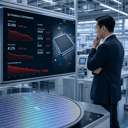
Nvidia is deepening its partnership with South Korean industrial giant Doosan Group, announcing an expansion that brings the chipmaker's AI computing platforms into robotics, manufacturing, and power generation. The collaboration spans four Doosan divisions - Robotics, Bobcat, Enerbility, and Electro-Materials - signaling Nvidia's aggressive push into physical AI beyond data centers. It's the latest sign that the battle for AI dominance is moving from cloud servers into factories, construction sites, and power plants.
Nvidia just made a major play for the physical world. The company announced it's expanding its partnership with South Korea's Doosan Group, bringing its full-stack AI computing platforms into industrial robotics, heavy machinery, power generation, and advanced materials manufacturing. According to Nvidia's official blog, the collaboration touches four key Doosan divisions, each representing a different frontier in what Nvidia calls "physical AI."
The timing couldn't be more strategic. While competitors like Google and Amazon race to dominate cloud AI, Nvidia's betting big on AI that moves, builds, and generates power in the real world. Doosan Robotics brings collaborative robots already deployed across manufacturing floors. Doosan Bobcat operates construction and agriculture equipment that could benefit from autonomous capabilities. Doosan Enerbility manages power plants where AI optimization could save millions. And Doosan's Electro-Materials division produces components essential for AI chip manufacturing itself.
This isn't Nvidia's first rodge into industrial partnerships, but the scope is notable. The company's been quietly building what it calls AI factories - facilities where physical products get designed, tested, and manufactured using AI at every step. Doosan gives Nvidia a foothold across multiple industries simultaneously, from factory floors to construction sites to energy infrastructure.
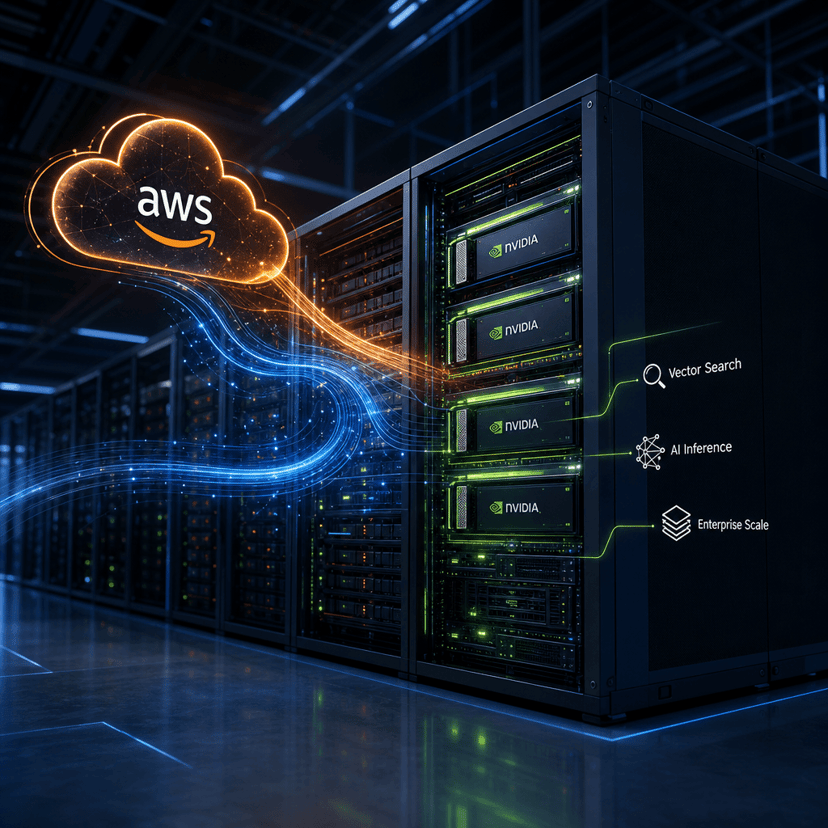
The collaboration brings together contrasting strengths. Nvidia supplies the computational muscle - its GPUs, Jetson edge AI platforms, and Omniverse simulation software. Doosan contributes decades of industrial expertise and existing customer relationships across Asia and beyond. For Doosan, the partnership offers a path to modernize legacy businesses facing pressure from more tech-savvy competitors.
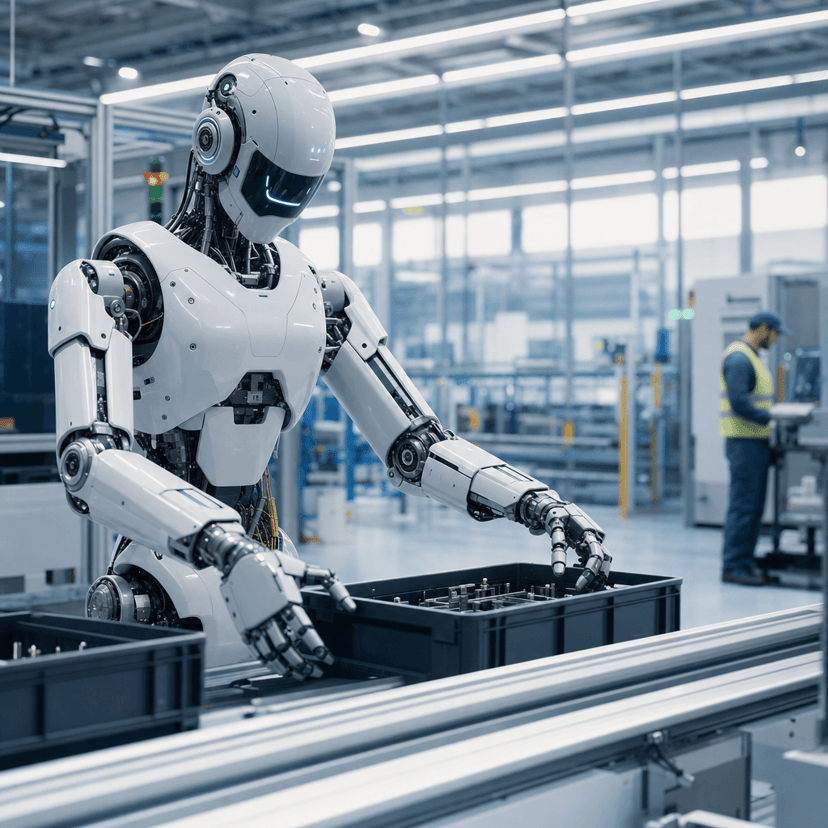
Industrial AI represents a massive untapped market. While generative AI grabbed headlines, the harder problem is getting AI to interact with physical environments reliably. Robots need to make split-second decisions. Construction equipment must navigate unpredictable terrain. Power plants can't afford AI hallucinations. These applications demand different computing architectures than chatbots - more edge processing, lower latency, higher reliability standards.
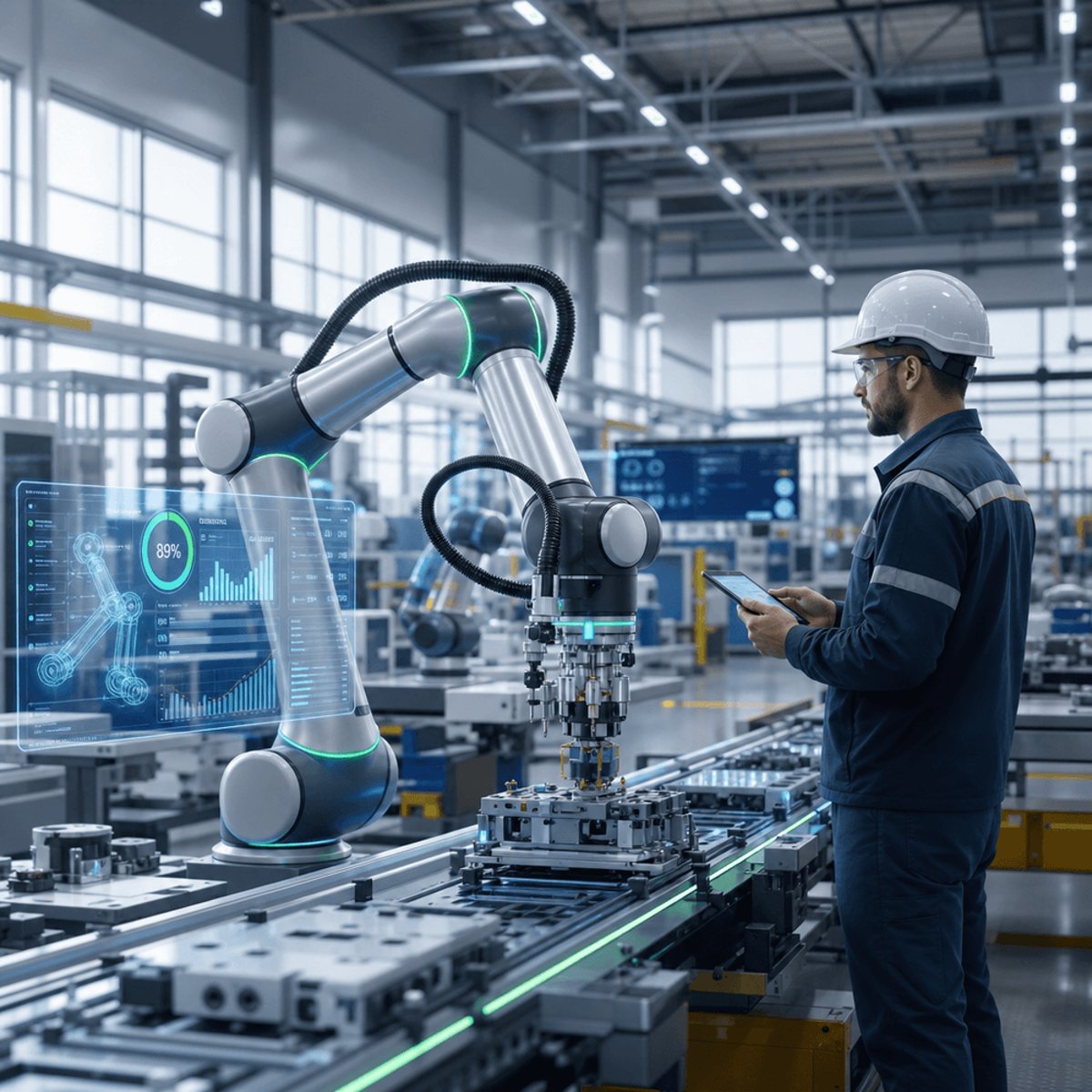
Doosan Robotics particularly stands to benefit. The company competes in collaborative robots, or cobots, designed to work alongside humans. Adding Nvidia's AI capabilities could enable more sophisticated computer vision, better motion planning, and adaptive learning from human demonstrations. That's crucial as labor shortages push more manufacturers toward automation.
The power generation angle is equally intriguing. Doosan Enerbility operates in an industry where even marginal efficiency gains translate to enormous cost savings and emissions reductions. AI-powered predictive maintenance, grid optimization, and autonomous operations could transform how power plants operate. Nvidia's been pitching AI for energy infrastructure as climate pressures mount, and Doosan provides real-world testing grounds.
What's less clear is the financial structure. Neither company disclosed investment amounts, revenue sharing arrangements, or specific product timelines. The announcement reads more like a framework agreement than a concrete deal, suggesting negotiations are ongoing about which divisions get priority and how joint products reach market.
Competitively, this puts pressure on other chipmakers. Intel has been pushing its own industrial AI initiatives. Startups like Cerebras and Graphcore are angling for specialized workloads. But Nvidia's ecosystem - the software tools, developer community, and proven track record - makes it hard to displace once it's embedded in a partner's products.
For Doosan, the risk is dependency. Tying core product roadmaps to Nvidia's platform means less flexibility if better alternatives emerge or if Nvidia prioritizes other partners. South Korean companies have historically preferred technology independence, but the AI race may be moving too fast for go-it-alone strategies.
The announcement also signals geographic strategy. Doosan gives Nvidia deeper presence in South Korea, where Samsung dominates and where government-backed AI initiatives are pouring billions into industrial transformation. As US-China tech tensions persist, partnerships in allied countries become more valuable.
Industry watchers will be looking for concrete product announcements in coming quarters. Partnerships like these often start with press releases and pilot projects but take years to yield commercial products. The real test is whether Doosan's robots, construction equipment, and power systems actually ship with Nvidia inside - and whether customers see measurable improvements.
Nvidia's Doosan partnership marks a critical evolution in the AI wars - the shift from cloud computing to physical infrastructure. While generative AI captured imagination, the harder money may be in robots that assemble products, equipment that builds infrastructure, and power plants that run themselves. Doosan gives Nvidia access to four distinct industrial verticals simultaneously, accelerating its physical AI strategy while hedging bets across multiple markets. For investors and competitors alike, the message is clear: AI's next frontier isn't just smarter software, it's machines that move, build, and power the physical world. The question now is whether this partnership delivers actual products or becomes another ambitious announcement that fades into vaporware.