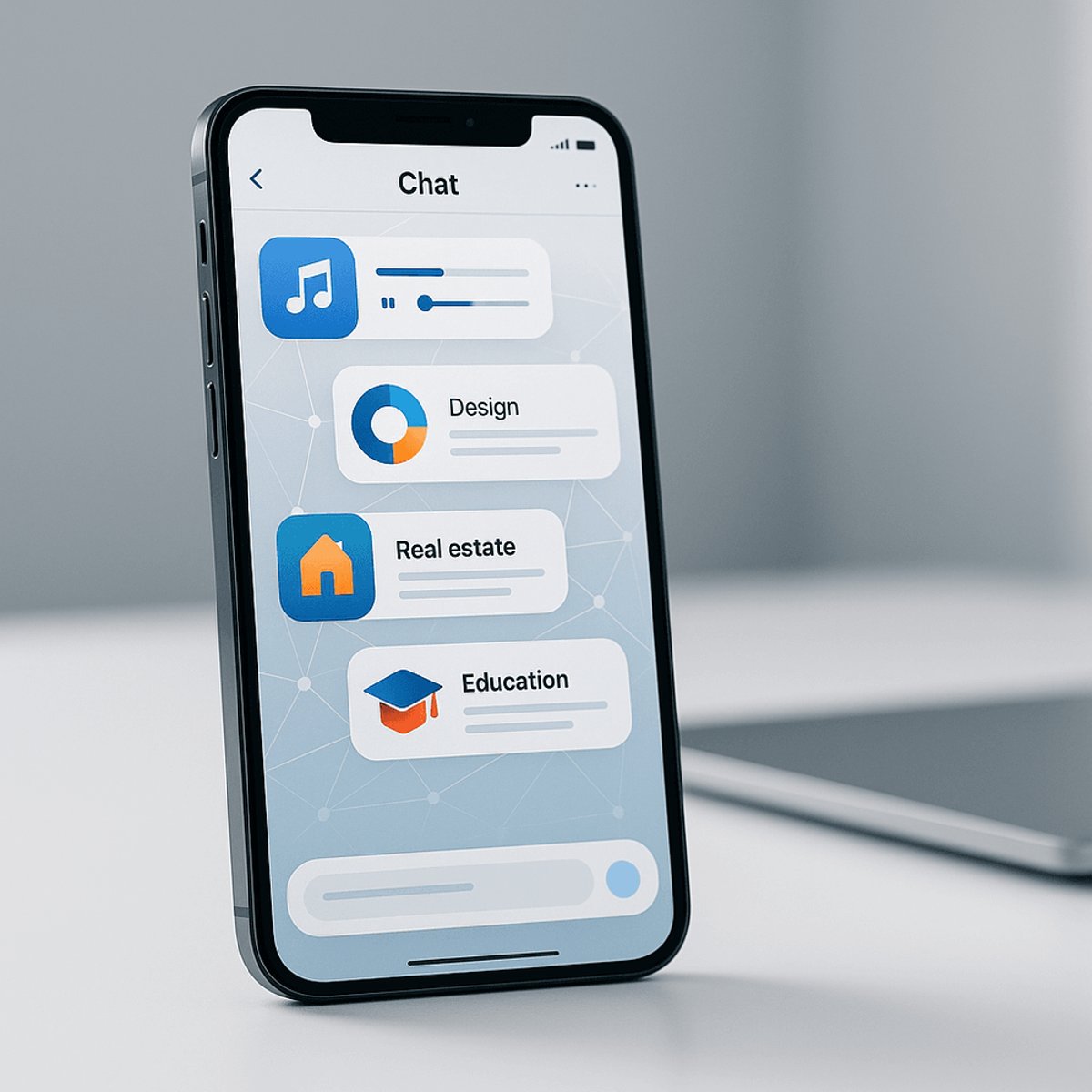
OpenAI just transformed ChatGPT from a chatbot into an app platform. At DevDay 2025, the company unveiled a new system that lets developers embed interactive applications directly inside ChatGPT conversations - no separate app store required. Five major companies including Spotify, Figma, and Zillow launch with the platform today, marking the biggest shift in AI user experience since ChatGPT's debut.
OpenAI is rewriting the rules of AI interaction. The company announced at DevDay 2025 that ChatGPT users can now access interactive applications from major platforms without ever leaving their conversations. Starting today, you can ask ChatGPT to "Figma, turn this sketch into a workable diagram" or "Coursera, can you teach me something about machine learning" - and the apps appear directly in your chat.
This isn't just another integration announcement. It's OpenAI's boldest move yet to transform ChatGPT from a text-based assistant into a comprehensive platform that could challenge traditional app stores. "We want ChatGPT to be a great way for people to make progress, to be more productive, more inventive," CEO Sam Altman told TechCrunch's Maxwell Zeff at the event. "[Apps inside of ChatGPT] will enable a new generation of apps that are interactive, adaptive, and personalized, that you can chat with."
The timing couldn't be more strategic. While competitors like Google and Microsoft focus on AI search integration, OpenAI is building an entirely new computing paradigm. The company's previous GPT Store required users to browse a separate marketplace - this new system embeds apps contextually within natural conversation flow.
The launch partners reveal OpenAI's strategy across key verticals. Zillow's integration demonstrates real estate search through interactive maps, letting users explore apartments in their price range while ChatGPT explains neighborhood details. Spotify can create party playlists on demand, while Canva handles design tasks directly in chat. Each app maintains full functionality - users can log into existing accounts and access premium features.
But the technical foundation is what makes this truly revolutionary. OpenAI built the system using the Model Context Protocol (MCP), which allows developers to connect data sources while rendering fully interactive UIs inside ChatGPT responses. Some apps can even display videos pinned to the top of conversations, creating rich multimedia experiences that adapt to user requests in real-time.
The developer opportunity is massive. OpenAI launched the Apps SDK preview today, giving developers tools to build conversational, adaptive applications that learn from user interactions. Unlike traditional mobile apps constrained by interface limitations, ChatGPT apps can be infinitely personalized through natural language commands.
ChatGPT's intelligence layer adds another dimension - the system automatically surfaces relevant apps when they could help users. Ask about weekend plans, and Spotify might appear. Mention apartment hunting, and Zillow could join the conversation. This contextual app discovery could reshape how people interact with digital services.
The monetization piece completes OpenAI's platform vision. Altman confirmed that developers will be able to monetize their ChatGPT apps, including through the company's recently launched Instant Checkout feature. This creates a direct path from conversation to commerce, potentially disrupting traditional e-commerce flows.
For enterprise customers, the implications are enormous. Instead of switching between dozens of SaaS tools, employees could manage workflows through conversational interfaces that understand context and intent. Coursera's integration hints at this future - personalized learning experiences that adapt to individual needs through dialogue.
The competitive response will be swift. Google's Bard and Microsoft's Copilot platforms will likely rush similar capabilities to market. But OpenAI has first-mover advantage with 200 million ChatGPT users who can access these apps immediately.
OpenAI's native app platform represents the biggest shift in AI user experience since ChatGPT's launch. By embedding interactive applications directly in conversations, the company is creating a new computing paradigm that could challenge both traditional app stores and search engines. The success will depend on developer adoption and whether users embrace conversational interfaces for complex tasks. But with major partners already onboard and 200 million users ready to experiment, OpenAI has positioned ChatGPT as the foundation for the next generation of digital interaction.