OpenAI's Atlas browser launched with bold promises of AI-powered web browsing, but early real-world testing reveals a different story. A comprehensive hands-on review from WIRED exposes significant gaps between Atlas's marketing pitch and actual user experience, raising questions about whether AI sidebars truly enhance web browsing or just get in the way.
OpenAI's Atlas browser launched last week with the promise of revolutionizing web browsing through AI integration, but the first comprehensive hands-on review suggests the reality falls far short of the hype. WIRED's Reece Rogers spent several days testing the browser and came away unconvinced that the web needs an AI tour guide.
The core issue isn't with Atlas's ambition but with its execution. The browser's signature Ask ChatGPT sidebar, which OpenAI positions as a "major unlock" for contextual web assistance, consistently delivered underwhelming results during real-world testing. When Rogers browsed the Xbox website looking for game recommendations, ChatGPT suggested the generic "Madden NFL 26" despite having access to over a year of his ChatGPT interaction history that could have informed better personalized suggestions.
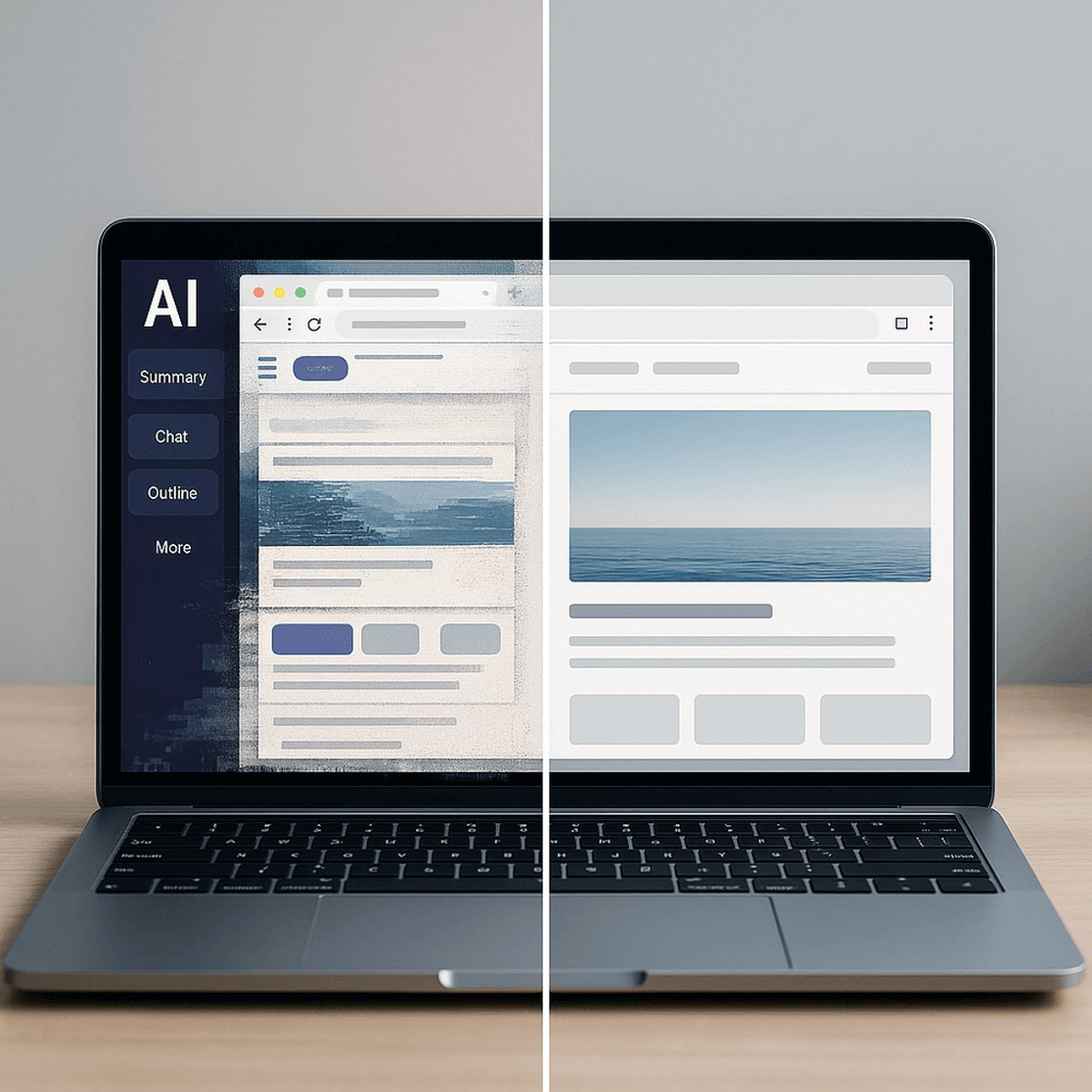
More concerning were the technical UX problems. The AI sidebar compresses the main content window, causing websites to appear "skinnier than usual" and making some sites look "incredibly janky," according to the review. The WIRED homepage was particularly affected, with its layout completely destroyed when the sidebar was active.
Built on Google's Chromium platform - the same foundation as Chrome and Opera - Atlas currently looks nearly identical to Chrome, causing Rogers to forget which browser he was using during testing. The similarity highlights how Atlas is essentially Chrome with an AI sidebar bolted on, rather than a fundamentally reimagined browsing experience.
But the most troubling discovery came when testing privacy boundaries. ChatGPT initially told Rogers that opening private Bluesky DMs wouldn't expose anything to the AI: "I'll simply stop 'seeing' the page until you go back to a public view." However, when Rogers actually opened a private message and asked about it, ChatGPT provided detailed information about the conversation and sender, directly contradicting its earlier privacy assurance.
When confronted about this inconsistency, ChatGPT backtracked with a different explanation about how it accesses information, calling the initial response a potential AI "hallucination" - the industry term for when AI systems confidently provide incorrect information.
The privacy confusion touches on broader concerns about AI browsers. While OpenAI's privacy documentation provides technical details about data handling, the gap between what the AI tells users and how it actually behaves could undermine user trust.
Atlas enters a crowded field of AI-enhanced browsers. Microsoft's Edge already includes Copilot integration, while Perplexity launched its own Comet browser earlier this year. The difference is that Atlas makes AI the central organizing principle rather than an optional feature, fundamentally changing how users interact with the web.
OpenAI lead designer Ryan O'Rouke described the vision during Atlas's launch livestream as "inviting ChatGPT into your corner of the internet." But Rogers's experience suggests that invitation might be premature, with the AI acting more like "an unreliable tour guide" who's "overly confident in its bland responses and taking up too much space."
The browser remains macOS-only for now, with promised features like tab groups and ad-blocking still in development. These additions could help Atlas differentiate itself from Chrome beyond just the AI sidebar, but the core question remains whether users actually want AI mediation for every web interaction.
Rogers plans to continue testing Atlas over the coming weeks but has already disabled the sidebar, preferring what he calls "the fullscreen version of the internet." His conclusion cuts to the heart of the AI browser debate: just because we can add AI to everything doesn't mean we should.
OpenAI's Atlas browser represents an ambitious attempt to reimagine web browsing through AI, but early testing reveals significant gaps between promise and performance. The Ask ChatGPT sidebar's tendency to provide generic responses, compress website layouts, and contradict its own privacy claims suggests that AI integration needs more thoughtful implementation. As the browser wars heat up with AI features, Atlas serves as a cautionary tale that adding AI everywhere isn't automatically an improvement - sometimes users just want to browse the web in peace.