Colossal Biosciences, the audacious startup aiming to bring extinct species back to life, is in talks to raise fresh capital at a jaw-dropping $20 billion to $30 billion valuation. That's double to triple what the de-extinction company was worth in its last funding round, according to a TechCrunch report. The move would cement Colossal's position as one of the most valuable private biotech companies in the world, despite never having brought a woolly mammoth or dodo bird back from extinction.
Colossal Biosciences is making a massive bet that the future of conservation lies in resurrecting the past. The Texas-based startup, co-founded by tech entrepreneur Ben Lamm and geneticist George Church, is reportedly in active discussions to raise new capital at a valuation between $20 billion and $30 billion, TechCrunch reports.
The proposed valuation marks a stunning leap from where Colossal stood just months ago. While the company's previous valuation hasn't been publicly disclosed, sources familiar with the matter suggest this new round would double or triple its prior worth. That kind of trajectory puts Colossal in rarefied air among private biotech companies, competing with the valuations typically reserved for late-stage pharmaceutical giants or AI unicorns.
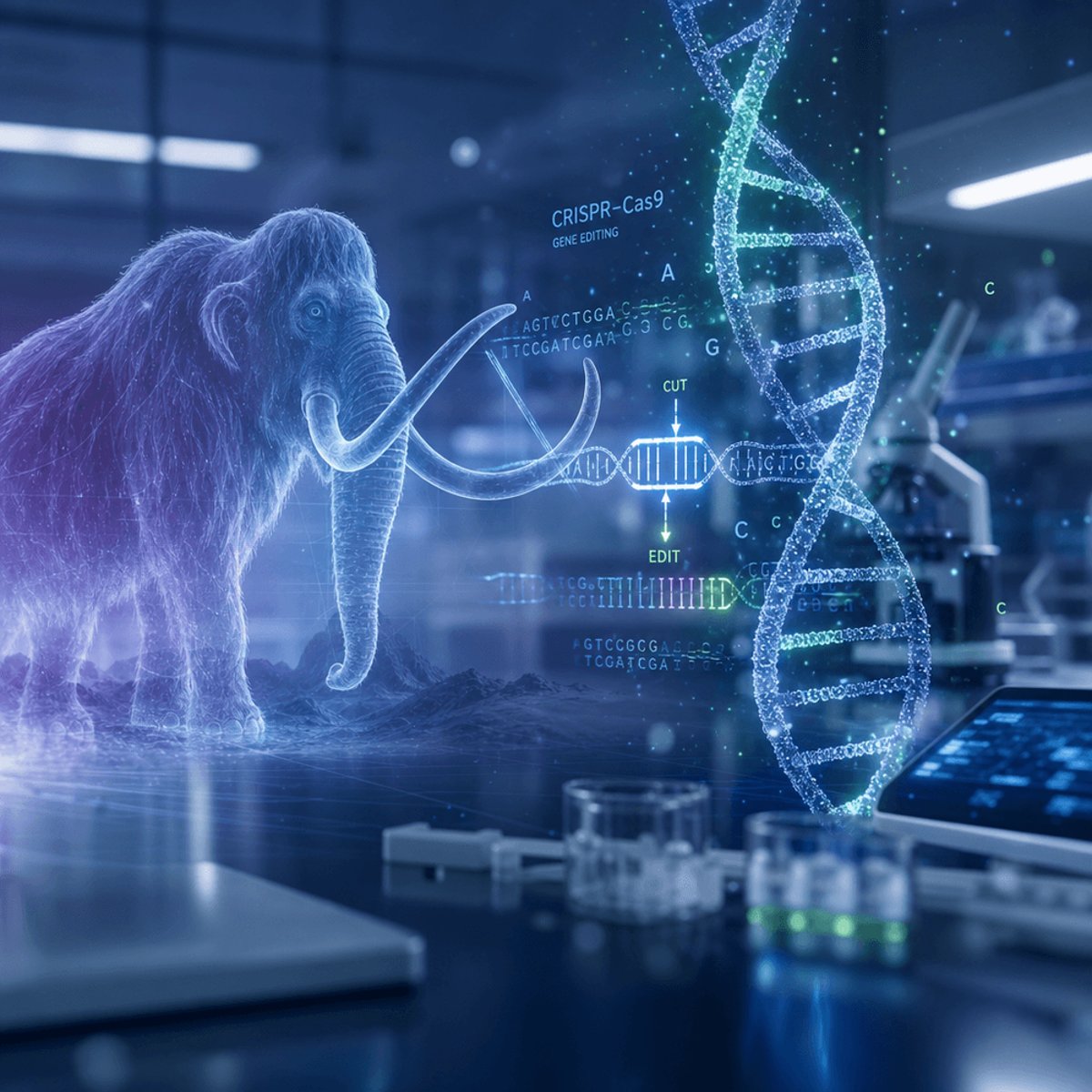
What makes the numbers even more remarkable is what Colossal is actually trying to accomplish. The company isn't developing a new cancer drug or a breakthrough medical device. Instead, it's pioneering de-extinction technology, using CRISPR gene editing and synthetic biology to bring back species that disappeared centuries or millennia ago. The woolly mammoth, wiped out roughly 4,000 years ago, sits at the top of Colossal's ambitious revival list, alongside the dodo bird and the Tasmanian tiger.
The science behind de-extinction involves extracting DNA from preserved remains, then using gene editing to insert key mammoth genes into the genome of Asian elephants, the mammoth's closest living relative. The goal isn't to create a perfect genetic replica but rather an elephant-mammoth hybrid that could roam the Arctic tundra and help restore grassland ecosystems. Critics have questioned whether the technology is ready and whether resurrecting extinct species is even a wise use of conservation resources.
But investors are clearly betting on Colossal's vision extending far beyond Jurassic Park-style spectacle. The company has positioned itself as a platform for advanced genetic technologies with applications in conservation, agriculture, and even human health. The same tools used to edit mammoth DNA could theoretically be applied to save endangered species from extinction or develop new approaches to genetic diseases.
Colossal previously raised $150 million in a Series B round in 2022, led by notable investors including the Winklevoss twins' investment fund and Peter Thiel's Founders Fund. That round valued the company at around $1.45 billion, making it a rare deep-tech unicorn. Since then, the company has made steady progress on its de-extinction roadmap, though it has yet to produce a living woolly mammoth or complete resurrection of any extinct species.
The timing of this fundraise is notable. Biotech valuations have been under pressure over the past two years as interest rates rose and investors grew more cautious about speculative science projects. Yet Colossal appears to be bucking that trend, suggesting either exceptional progress behind the scenes or a market increasingly willing to fund moonshot projects with long timelines and uncertain outcomes.
Details about the new funding round remain scarce. TechCrunch didn't identify potential lead investors or reveal how much capital Colossal is looking to raise. The company declined to comment on the report. But if the deal closes anywhere near the rumored valuation range, it would rank among the largest private biotech financings in recent memory.
Competitors and skeptics have watched Colossal's rise with a mix of fascination and doubt. Traditional conservation groups have argued that the millions being poured into de-extinction could be better spent protecting species currently on the brink of disappearing. Others worry about the ecological risks of introducing engineered creatures into modern ecosystems that have evolved without them for thousands of years.
Yet there's no denying that Colossal has captured imaginations and opened wallets in ways few biotech startups can match. Whether that translates into actual woolly mammoths wandering the Siberian permafrost remains to be seen. But at a potential $20 billion to $30 billion valuation, investors are clearly willing to fund the attempt.
Colossal Biosciences' reported fundraising talks at a $20 billion to $30 billion valuation signal that investors are willing to place enormous bets on speculative science, even in a cautious funding environment. Whether the company can deliver on its promise to resurrect extinct species remains one of biotech's biggest question marks. But the valuation surge suggests the market believes Colossal's genetic engineering platform has applications far beyond bringing back mammoths. As talks progress, the industry will be watching to see if Colossal can translate hype into scientific breakthroughs and whether de-extinction technology can justify its billionaire price tag.