A stealth Singapore biotech startup has emerged from stealth with $3.1 million in funding to challenge the massive palm oil industry using engineered yeast that converts agricultural waste into high-value oils. Terra Oleo represents a direct challenge to the 79 million metric ton global palm oil market, backed by investors including ADB Ventures and the prestigious Breakthrough Energy Fellows program.
Terra Oleo just broke cover with a story that reads like a climate tech thriller. The Singapore-based startup has been operating in stealth for nearly two years, quietly engineering yeast strains that could fundamentally reshape how the world produces oils. Today's $3.1 million funding announcement isn't just another biotech round - it's a direct shot at the palm oil industry's environmental legacy.
The company's origin story centers on founder Shen Ming Lee's personal rebellion against her family's palm oil empire. "I grew up in the conventional palm oil industry," Lee told TechCrunch in an exclusive interview. "My family's business is one of the top producers in the palm oil space. And so I grew up a little bit — I have to admit — ashamed of what my family does."
That shame turned into scientific ambition when Lee met MIT doctoral candidate Boon Uranukul in 2022. Uranukul had developed microbes capable of producing plastic building blocks from agricultural waste - technology that Lee immediately saw as applicable to her family's industry problem. The palm oil sector has deforested vast swaths of Southeast Asia while becoming ubiquitous in everything from snack foods to pharmaceuticals.
The funding round attracted heavyweight climate investors, including ADB Ventures, Better Bite Ventures, and a strategic corporate investor from the palm oil industry itself. Lee and Uranukul also secured spots in this year's Breakthrough Energy Fellows cohort, Bill Gates' prestigious program for climate innovators.
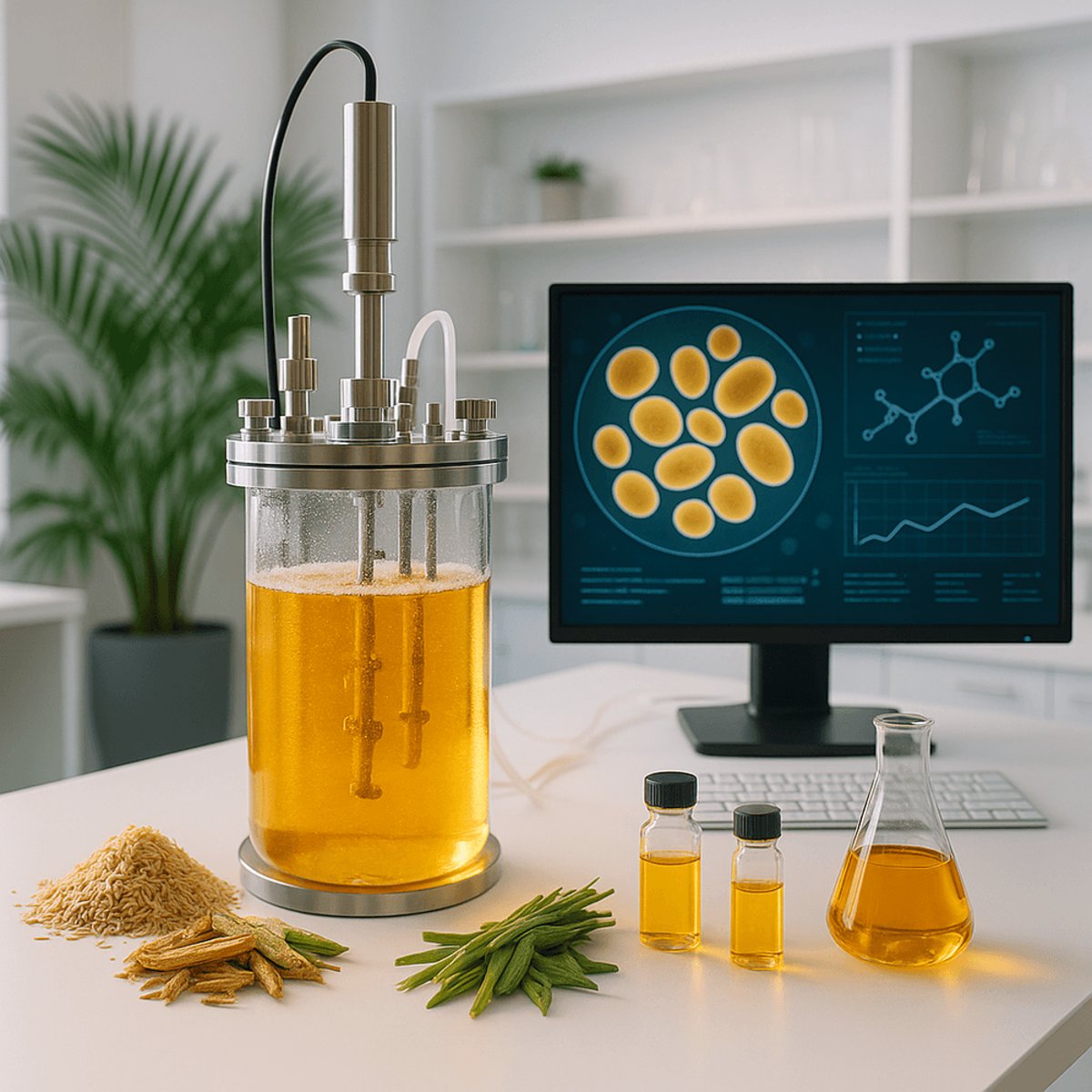
Terra Oleo's technical approach sidesteps the traditional palm oil refining process entirely. The company selected three yeast species based on their natural ability to produce specific oils when fed organic waste from agriculture and biodiesel production. Through genetic and metabolic engineering, they've boosted these microbes' fat and triglyceride production capabilities.
"There's the illusion that crude palm oil is the end all be all," Lee explained to TechCrunch, noting that raw palm oil is actually a "very low margin commodity." Instead, Terra Oleo targets higher-value derivatives like cocoa butter and specialty oils for cosmetics and pharmaceuticals - products that currently require expensive refining processes.
The economics are compelling. Lee claims Terra Oleo can achieve "upwards of 80% margins for some of these specialty oleochemicals because they're really expensive to produce conventionally." The startup's microbes produce the right chemical compounds directly, eliminating costly downstream processing.
Currently operating at lab scale with gram-level production, Terra Oleo plans to use the fresh funding to reach kilogram-scale manufacturing. That's still microscopic compared to the challenge ahead. Global palm oil production hit nearly 79 million metric tons last season according to USDA data, though growth has stagnated over the past six years.
The market timing appears strategic. Palm oil demand has plateaued while environmental pressure intensifies, creating an opening for alternatives. Major consumer brands increasingly face scrutiny over palm oil sourcing, with sustainability-conscious consumers driving demand for alternatives.
Lee acknowledges the scale challenge but sees it as an opportunity to work with existing producers rather than replace them entirely. "We're not going to change from palm oil to other sources overnight," she told TechCrunch. "It's so prevalent, it's such a versatile ingredient that I think it's going to be a slow transition where we're working with the industry to get to that diversified production mix that we want to see."
The startup joins a growing wave of synthetic biology companies targeting traditional agricultural industries. Similar approaches are being pursued across food ingredients, textiles, and chemicals - all seeking to replace resource-intensive crops with precision fermentation.
For Terra Oleo, the next 18 months will prove whether their engineered yeast can bridge the gap from laboratory curiosity to industrial reality. With family legacy, climate urgency, and venture capital aligned behind them, Lee and her team are betting they can engineer their way out of one of agriculture's most persistent environmental problems.
Terra Oleo represents the intersection of personal conviction and technological opportunity that defines the best climate tech startups. While replacing 79 million metric tons of palm oil won't happen overnight, the company's focus on high-value specialty products and industry collaboration suggests a pragmatic path forward. For investors and industry watchers, this stealth emergence signals that synthetic biology solutions for agricultural sustainability are moving beyond the lab and into commercial reality.