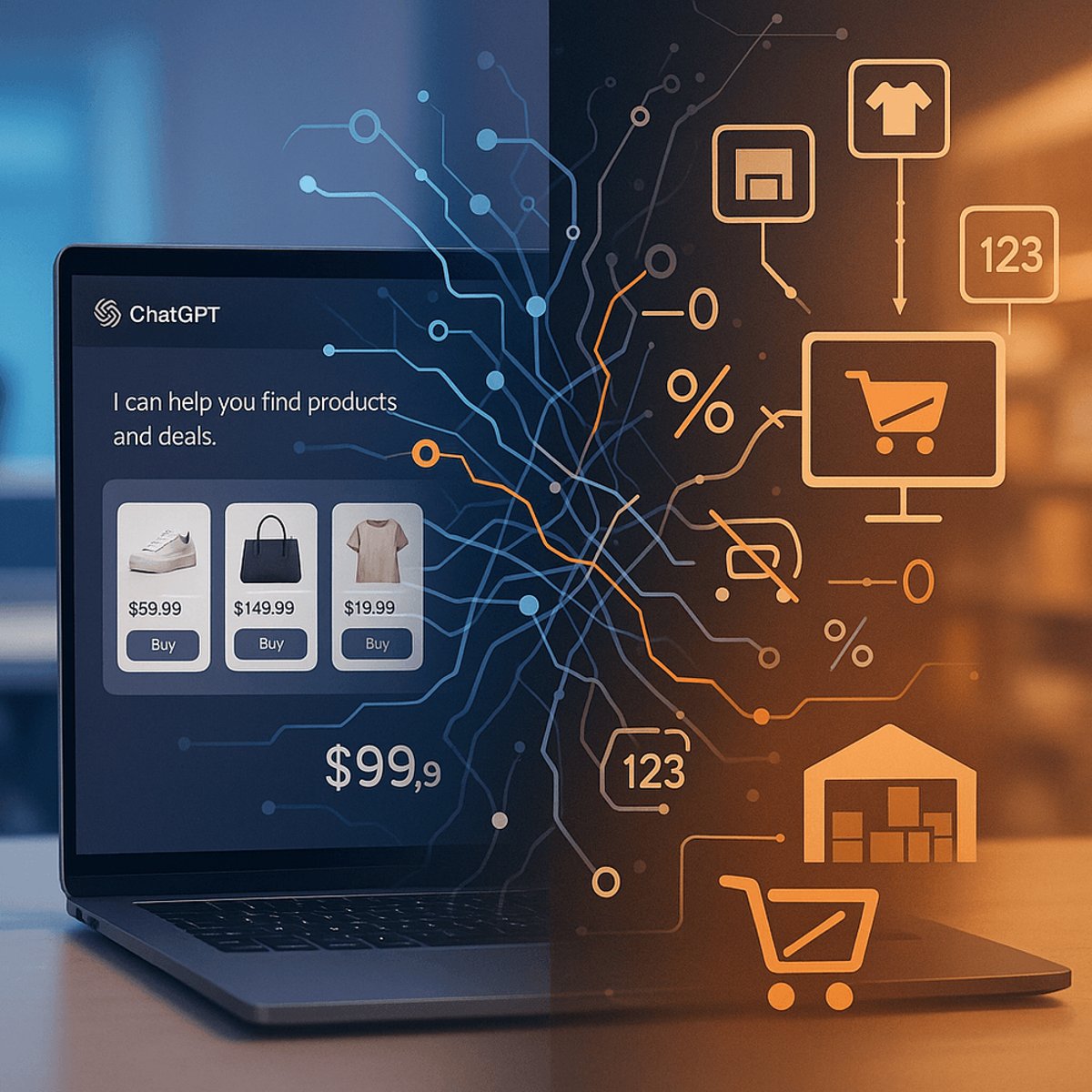
OpenAI is learning the hard way that AI agents and e-commerce don't mix easily. The company's Instant Checkout feature - designed to let ChatGPT users buy products directly through conversations - ran into significant accuracy and onboarding problems with early partners Etsy, Walmart, and Shopify. Item information frequently appeared wrong, and getting merchants up and running proved far more difficult than anticipated, according to people familiar with the matter. It's a reality check for the agentic shopping wave everyone's been hyping.
OpenAI's grand vision of turning ChatGPT into a shopping assistant just hit its first major speed bump. The company's Instant Checkout feature, which promised to let users buy products without leaving their chat window, struggled with basic accuracy when it rolled out to early retail partners.
Etsy, Walmart, and Shopify were among the first to jump on board, eager to tap into ChatGPT's massive user base. But the reality didn't match the pitch. Product descriptions appeared incorrect, prices didn't sync properly, and inventory data lagged behind actual availability, creating a frustrating experience for both merchants and shoppers.
The technical challenges run deeper than simple data syncing. Unlike traditional e-commerce APIs that merchants have spent years optimizing, OpenAI's approach required a fundamentally different integration. Merchants had to restructure how they present product information to work with the AI's conversational interface - and that proved harder than anyone expected.
Onboarding became a particular pain point. What should have been a straightforward API integration turned into weeks-long processes as merchants discovered their existing product feeds weren't structured for AI consumption. The gap between e-commerce infrastructure built for human browsing and what AI agents need to make accurate recommendations became painfully obvious.
This stumble comes at a critical moment. Amazon is widely expected to unveil its own AI shopping assistant, and every major retailer is racing to figure out agentic commerce before it reshapes how people discover and buy products online. OpenAI's early struggles hand competitors valuable time to learn from these mistakes.
The issue isn't just technical - it's strategic. E-commerce platforms like Shopify have spent years building trust around transaction accuracy. A single wrong price or out-of-stock item handled incorrectly by an AI agent can erode that trust instantly. According to sources close to the situation, some merchants started quietly pulling back from full integration until OpenAI could prove better reliability.
Industry observers note this mirrors challenges other AI companies faced when moving from demos to production. Getting an AI to understand products in a lab is different from handling millions of SKUs across thousands of merchants with varying data quality. The real world is messier than training data.
What's particularly telling is how quickly accuracy issues surfaced. These weren't edge cases - they were fundamental problems with how product information flowed from merchant systems into ChatGPT's knowledge base and then into purchase transactions. That suggests the architecture might need rethinking, not just tuning.
OpenAI isn't giving up. The company is reportedly regrouping and preparing for what it calls "the next wave" of shopping features. That likely means going back to basics - fixing data pipelines, simplifying merchant onboarding, and probably scaling back ambitions until the foundation is solid.
For Walmart and Etsy, the calculus is tricky. They can't afford to miss the agentic shopping shift, but they also can't let buggy AI integrations damage their core businesses. Expect them to proceed more cautiously, demanding better accuracy metrics before committing serious resources.
The broader lesson here is that AI agents aren't plug-and-play for complex workflows like commerce. Every layer - product data, inventory management, pricing, checkout, fulfillment - needs to work flawlessly or the whole experience breaks down. OpenAI discovered that making ChatGPT good at conversation doesn't automatically make it good at shopping.
Competitors are watching closely. If OpenAI can fix these issues quickly, it validates the agentic shopping model and everyone will rush in. If the problems persist, it might slow down the whole category while companies rethink their approaches. Either way, this first stumble just made the race to AI commerce a lot more interesting.
OpenAI's Instant Checkout struggles reveal what everyone suspected but few wanted to admit - agentic shopping is harder than it looks. Getting product data right, onboarding merchants smoothly, and maintaining accuracy at scale requires infrastructure that doesn't exist yet. The company's next move will signal whether AI-powered commerce is months or years away from mainstream viability. For now, traditional checkout flows aren't going anywhere, and retailers have breathing room to figure this out without rushing into broken experiences. The question isn't whether AI will reshape shopping, but whether OpenAI can fix its stumble before Amazon and others get it right first.