AI search startup Perplexity just dropped the paywall on its Comet browser, making it free for everyone worldwide as it scrambles to compete with Google Chrome and incoming rivals like OpenAI's rumored browser. The move comes with a new 'background assistant' feature for premium subscribers that promises to handle multiple tasks simultaneously while you work.
Perplexity just made its biggest play yet in the browser wars. The AI search startup opened its Comet browser to everyone globally for free, ditching the $200-per-month Max plan requirement that's kept millions on the waitlist for three months. The timing isn't coincidental - OpenAI's rumored browser launch is breathing down everyone's necks, and Google Chrome still dominates with over 60% market share.
Comet's core appeal remains its sidecar assistant that lives alongside your browsing, answering questions about web pages, summarizing content, and even navigating sites on your behalf. It's the kind of AI integration that feels natural rather than forced, unlike some competitors who've bolted chatbots onto traditional browsers.
But here's where Perplexity gets interesting. Max subscribers ($200/month) now get access to a 'background assistant' that CEO Aravind Srinivas unveiled at a San Francisco event Wednesday. Think of it as having a team of digital assistants working behind the scenes while you focus on other tasks. A company spokesperson described it as 'mission control' - you can assign multiple tasks like sending emails, finding concert tickets, and booking flights, then monitor progress through a central dashboard.
The background assistant represents a significant leap in AI automation. Rather than single-threaded interactions, it handles parallel processing across different applications on your computer. 'Better connectors' allow it to access other apps, though Perplexity hasn't detailed specific integrations yet. You can intervene at any point or let tasks complete automatically with notifications when finished.
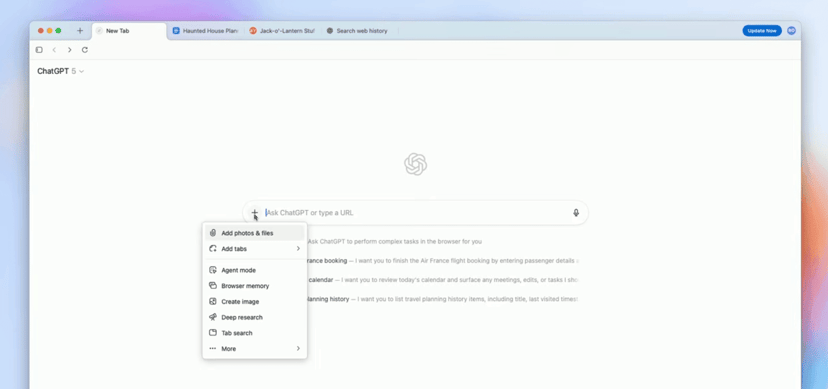
This aggressive freemium push puts Perplexity in direct competition with established players and emerging threats. The Browser Company's Dia browser has been gaining traction with its AI-first approach, while Google continues integrating Gemini across Chrome. The browser landscape is about to get very crowded.
Free Comet users get the sidecar assistant plus access to specialized tools: Discover (personalized content recommendations similar to OpenAI's Pulse), Spaces for project organization, Shopping for price comparisons, Travel planning, Finance tracking, and Sports updates. It's a comprehensive suite that goes beyond traditional browsing.
Premium tiers unlock the real power. Pro users ($20/month) get advanced AI models, image and video generation, plus file analysis capabilities. Max users ($200/month) add the email assistant that matches your writing tone, organizes your inbox, and schedules meetings. They also get early access to new features and the coveted background assistant.
Perplexity is also launching Comet Plus, a $5/month standalone subscription positioned as an AI-enhanced alternative to Apple News. Pro and Max users get automatic access, while free users can upgrade separately.
The challenge for Perplexity is proving that Comet's agentic capabilities deliver tangible productivity gains. Browser switching requires compelling reasons beyond novelty. Users need to see clear benefits over their existing workflows, especially when Google Chrome integrates seamlessly with most people's digital lives.
Market timing favors AI-powered browsers as users become more comfortable with AI assistants in their daily workflows. But execution will determine winners. Perplexity's freemium strategy removes friction for user acquisition while the premium features create clear upgrade paths.
The browser wars are heating up just as AI capabilities reach practical usefulness. Perplexity's global rollout signals confidence in its technology, but the real test comes when OpenAI and others launch competing products. Success will depend on reliability, speed, and whether these AI features genuinely improve how people browse and work online.
Perplexity's decision to make Comet free globally represents a calculated bet on AI-powered browsing becoming mainstream. The background assistant feature for premium users could differentiate it from competitors, but success will depend on reliable execution and clear productivity benefits. With OpenAI's browser reportedly in development and Google continuing to integrate AI across Chrome, the next few months will determine whether there's room for multiple AI browsers or if network effects favor established players.