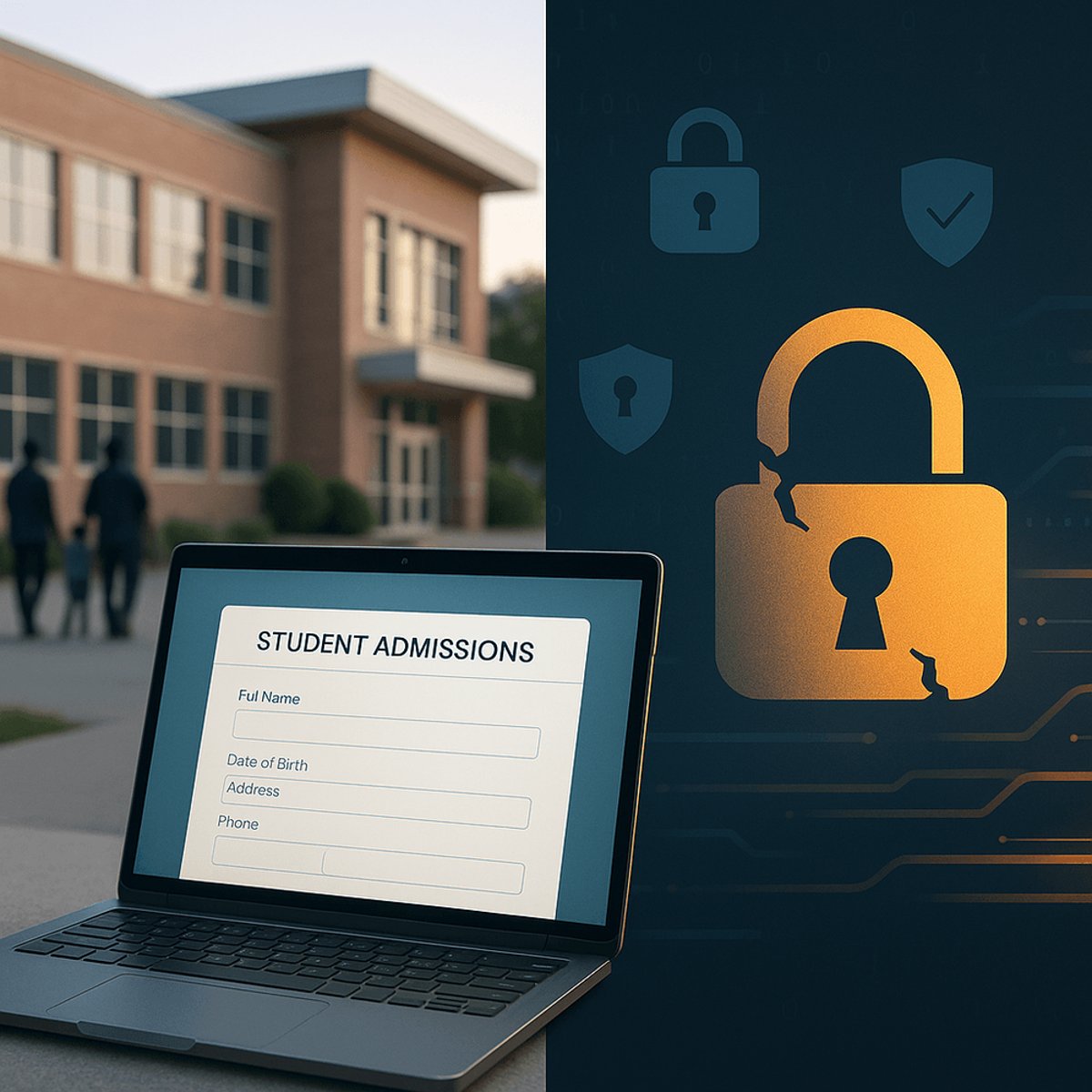
A critical security flaw in Ravenna Hub - a platform used by thousands of schools for student admissions - exposed children's personal information to anyone with a login. The vulnerability allowed any authenticated user to access the private data of other families, including kids' application details, in what represents a significant breach of one of education's most sensitive data repositories. The company has since patched the bug, but questions remain about how long the exposure lasted and how many families were affected.
Ravenna Hub just became the latest education technology platform to suffer a serious data exposure - and this time, it involved kids. The student admissions platform, which thousands of schools rely on to manage applications, allowed any logged-in user to access personally identifiable information belonging to other users and their children, according to an exclusive TechCrunch investigation.
The bug was a classic broken access control vulnerability. Any parent or administrator who'd created an account could theoretically view another family's application data simply by manipulating the platform's internal identifiers. That means names, ages, school choices, application statuses, and potentially other sensitive details about minors were sitting exposed to anyone who knew where to look.
Ravenna Hub markets itself as an all-in-one solution for independent and private school admissions, letting parents track applications across multiple institutions through a single portal. The platform has become increasingly popular as families navigate the complex process of applying to selective schools, particularly in major metros where competition for spots is fierce.
But that convenience came with a hidden risk. The vulnerability meant that competitors, bad actors, or even curious parents could potentially access information about which schools other families were targeting, what stage their applications had reached, and personal details about the children themselves. For schools dealing with wealthy or high-profile families, the privacy implications are significant.
The company responded quickly once the flaw was disclosed, according to the report. TechCrunch noted that Ravenna Hub patched the vulnerability shortly after being contacted, though the timeline raises questions. How long was this exposure active? Did anyone exploit it before it was fixed? And most critically - were families notified that their children's data may have been accessible?
Those answers weren't immediately clear. The incident underscores a broader problem plaguing education technology: platforms handling sensitive student data often lack the security infrastructure of major consumer tech companies. Schools have rushed to digitize everything from admissions to gradebooks, but the vendors building these tools don't always prioritize security.
The stakes are different when you're dealing with minors. Unlike adults who can monitor their credit or change passwords, children have no ability to protect themselves from data exposure. Their information - especially in the context of elite school admissions - can be weaponized for social engineering, identity theft, or even physical security risks if location data is involved.
Ravenna Hub isn't alone in struggling with these issues. Education technology has seen a wave of security incidents in recent years as schools increasingly rely on third-party platforms. From learning management systems to lunch payment portals, the attack surface has expanded dramatically. Many of these vendors are small companies without dedicated security teams, making them attractive targets.
The broken access control flaw that hit Ravenna Hub is particularly concerning because it's such a fundamental security mistake. Modern web applications should implement strict authorization checks that verify not just that a user is logged in, but that they have permission to access specific data. The fact that this safeguard apparently failed suggests the platform may have rushed to market without proper security auditing.
For parents using the platform, the incident is a wake-up call. Many families assume that school-endorsed technology platforms have been thoroughly vetted, but that's often not the case. Schools typically lack the technical expertise to audit vendor security practices, instead relying on contracts and compliance certifications that may not reflect real-world vulnerabilities.
The admissions process itself makes this data particularly sensitive. Families often share financial information, learning disabilities, behavioral issues, and other private details as part of applications. If that information was accessible through this bug, the exposure goes far beyond basic contact details.
What happens next will be telling. Will Ravenna Hub face regulatory scrutiny? Will affected schools notify families? And most importantly, will this incident push the education technology sector to take security more seriously? The platform's response in the coming days will set a precedent for how similar incidents are handled across the industry.
The Ravenna Hub breach is more than just another data exposure story - it's a warning shot for the entire education technology sector. As schools continue moving critical functions online, the platforms handling student data need to match the security standards we expect from financial services or healthcare providers. Parents trust these systems with their children's most sensitive information, and that trust demands better protection. Until the industry implements rigorous security practices and faces real consequences for failures, incidents like this will keep happening. The question is whether it'll take a more serious breach to force that change.