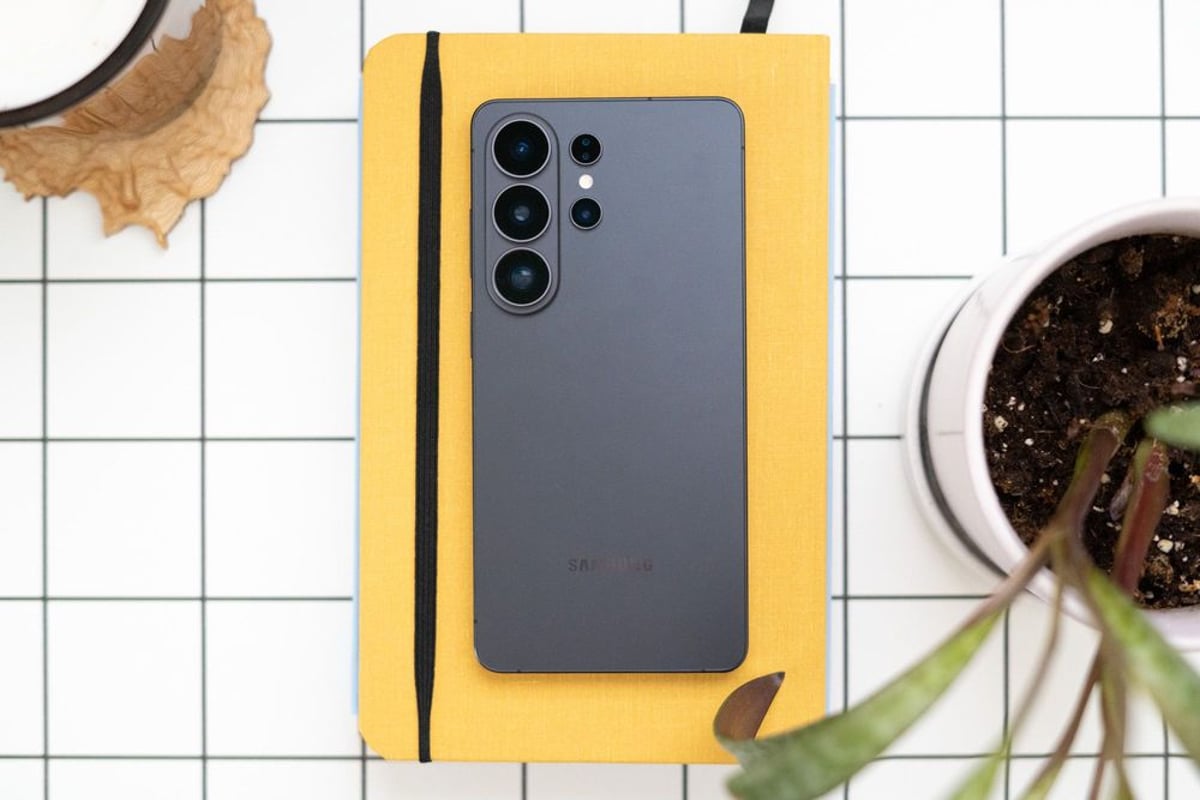
Samsung is betting its Galaxy S26 Ultra can solve a problem most smartphone users didn't know they had: screen privacy anxiety in public spaces. According to The Verge's hands-on review, the new flagship introduces privacy-focused display technology that addresses the nagging worry of shoulder-surfing in crowded environments. It's a consumer play with enterprise implications, especially as mobile security becomes a boardroom concern.
Samsung just made public screen paranoia a selling point. The company's Galaxy S26 Ultra, reviewed by The Verge's Allison Johnson, introduces privacy display technology that tackles an interesting psychological tension: the constant low-level anxiety that someone's watching your screen on the subway, in a coffee shop, or anywhere crowds gather.
Johnson's review reveals something worth paying attention to. "Using Samsung's Galaxy S26 Ultra for the past couple of weeks has offered some relief from that particular worry simmering in the back of my mind," she writes. "It solves a problem I didn't even fully recognize until I started using it." That's the kind of product insight that separates incremental updates from genuine innovation.
The privacy angle isn't just consumer fluff. Samsung has been courting enterprise customers for years, competing against Apple's ironclad reputation for privacy and security. Mobile device management remains a massive opportunity - global spending on enterprise mobility is projected to exceed $240 billion by 2025, according to industry analysts. Privacy screens could become table stakes for executives handling sensitive communications on the go.
What makes this interesting is the timing. We're seeing a broader industry shift toward privacy as a feature, not just compliance. Apple built an entire marketing campaign around "What happens on your iPhone, stays on your iPhone." Google rolled out Privacy Sandbox. Now Samsung is tackling the physical vulnerability of screens themselves.
The S26 Ultra launch comes as smartphone makers are desperately hunting for differentiation beyond camera megapixels and processor speeds. Foldables haven't cracked the mainstream. AI features are still finding their footing. But privacy? That's got universal appeal - from teenagers hiding their social media from parents to CFOs reviewing quarterly numbers on a plane.
Samsung's approach appears to use advanced display technology to limit viewing angles, making screens harder to read from the side. It's not entirely new - HP and 3M have sold privacy screens as accessories for laptops for years. But baking it directly into a flagship phone's display is a different ballgame. It signals that Samsung sees this as a core feature, not an aftermarket add-on.
The consumer angle matters because it's where enterprise features often get their start. Touch ID began as a convenience feature before becoming a corporate security standard. Face recognition followed the same path. If privacy screens prove popular with consumers, expect enterprise IT departments to start asking for them in bulk device deployments.
Johnson's observation about not realizing the problem existed until the solution arrived is telling. It's classic product design philosophy - the best innovations solve problems users can't articulate. Apple built an empire on that insight. Now Samsung is trying to do the same with screen privacy.
The competitive implications are significant. Samsung controls its own display manufacturing through Samsung Display, giving it a vertical integration advantage. Apple sources displays from multiple suppliers including Samsung, LG, and BOE. If privacy screens become a must-have feature, Samsung has a head start on production and potentially patents that could complicate competitors' plans.
There's also a potential enterprise security play beyond just visual privacy. If Samsung can demonstrate that its displays meaningfully reduce data exposure in public settings, it could become part of compliance frameworks for regulated industries like finance and healthcare. That's the kind of moat that drives long-term enterprise adoption.
The review doesn't reveal full technical specifications or pricing, but the S26 Ultra likely sits in Samsung's premium tier - probably $1,200 and up based on previous Ultra models. That positions it squarely against Apple's iPhone Pro Max lineup, where privacy features increasingly drive purchase decisions among business users.
What we're watching is Samsung trying to own a specific dimension of the privacy conversation. While Apple focuses on data privacy and Google talks about privacy controls, Samsung is going after physical privacy. It's smart positioning in a crowded market.
Samsung's privacy screen technology in the S26 Ultra might look like a consumer convenience feature, but it's potentially a trojan horse for enterprise adoption. If the company can prove that built-in privacy displays meaningfully reduce data exposure risks, it could become a requirement for corporate device deployments. The bigger story here isn't just about stopping subway snoops - it's about Samsung carving out a differentiated position in mobile security that goes beyond software and into hardware. Watch whether enterprise IT departments start specifying privacy screens in their next procurement cycles. That's when you'll know this feature has legs beyond the consumer market.