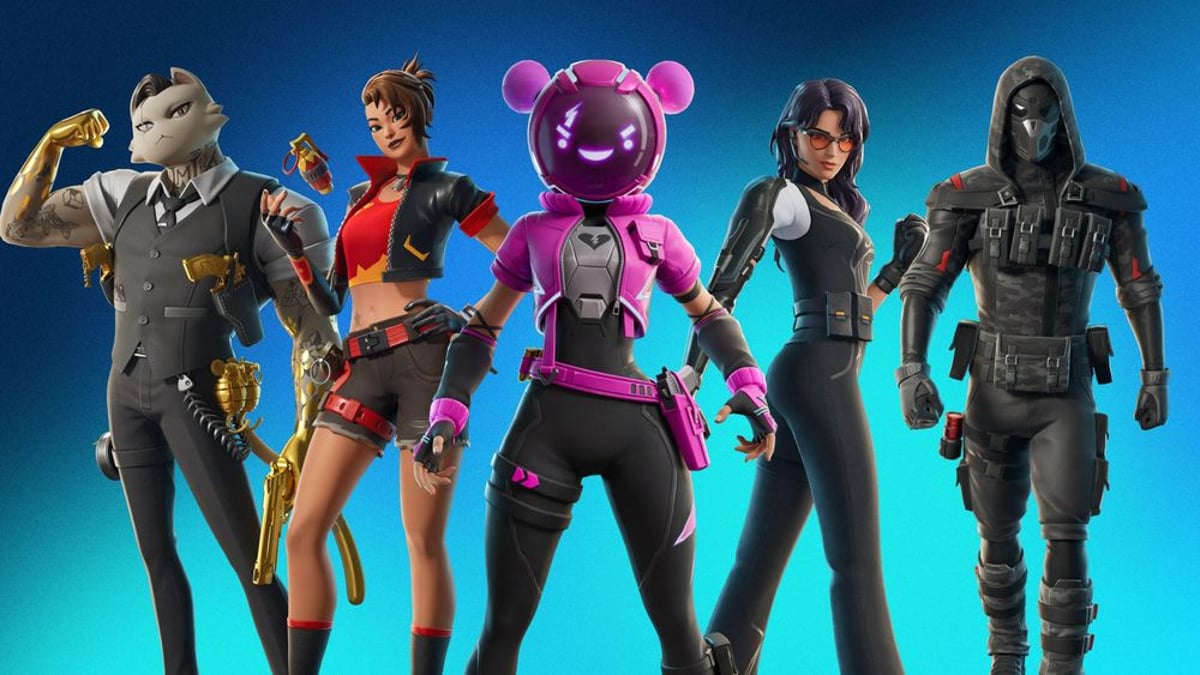
Epic Games is raising prices on Fortnite's V-bucks virtual currency starting March 19th, the same day its next major season launches. The company's explanation? "The cost of running Fortnite has gone up a lot and we're raising prices to help pay the bills," according to an official announcement. But when pressed for specifics at GDC Festival of Gaming this week, Epic executives offered little more detail, leaving players frustrated and sparking protests across Reddit.
Epic Games just hit Fortnite's massive player base with a price increase that's not sitting well. The company announced this week that V-bucks, the in-game currency fueling the battle royale phenomenon, will cost more starting March 19th. The justification? A casual note that operating costs have climbed and they need to "help pay the bills," according to Epic's official announcement.
The timing raised eyebrows. Epic scheduled the price hike to launch the exact same day Fortnite's next major season debuts, a move that felt calculated to some players. Within hours of the announcement, complaints flooded the Fortnite subreddit, with enough volume that an Epic staffer felt compelled to acknowledge the protests directly in the comments.
But when The Verge caught up with Epic executives at the GDC Festival of Gaming this week, hoping for more transparency about what's driving the increase, they didn't get much. The company stuck to its original vague statement about rising costs without breaking down specifics like server infrastructure, content development, or platform fees.
This isn't happening in a vacuum. Gaming companies across the board are wrestling with ballooning operational expenses. Cloud infrastructure costs continue climbing, anti-cheat systems require constant updates and monitoring, and Fortnite's regular content drops - new seasons, collaborations, live events - demand significant development resources. The game operates on a free-to-play model, making V-bucks sales critical to sustaining the platform.
What makes this price hike particularly notable is Epic's usual transparency about industry economics. The company has been vocal about platform fees, famously battling Apple and Google over their 30% app store cuts. Epic even launched its own games store partly to demonstrate lower fee structures. So the tight-lipped response about internal cost drivers feels out of character.
The player reaction reveals something deeper about virtual economy expectations. Fortnite pioneered the battle pass model and normalized cosmetic microtransactions in ways that reshaped the entire industry. Players accepted spending real money on digital items because the core game stayed free and the value proposition felt stable. Changing that equation without detailed justification breaks an implicit trust.
Competitors are watching closely. Games like Apex Legends, Call of Duty: Warzone, and Valorant all run similar free-to-play models with premium currency. If Epic successfully raises prices without major player exodus, expect others to follow. If backlash translates to reduced spending or player churn, it could freeze pricing industry-wide.
The broader context matters too. Gaming saw explosive growth during pandemic years, but the market's cooled considerably. Player spending on mobile and PC games declined year-over-year in recent quarters, according to industry analysts. Epic might be testing whether its loyal player base will absorb higher costs even as discretionary spending tightens.
What's unclear is whether "operating costs" means pure infrastructure and development, or if it includes Epic's aggressive expansion into metaverse ambitions, Unreal Engine development, and its ongoing legal battles. Fortnite remains Epic's cash engine, funding everything else the company does. Players might reasonably ask if they're subsidizing ventures beyond the game itself.
The March 19th deadline is approaching fast, giving Epic little time to course-correct if backlash intensifies. The company's bet seems to be that Fortnite's cultural momentum and the excitement of a new season will overwhelm pricing concerns. But in an era where transparency often wins trust, the vague explanation feels like a missed opportunity to bring players along rather than just telling them to pay up.
Epic's V-bucks price hike reflects the gaming industry's broader struggle to balance operational realities with player expectations. While rising infrastructure and content costs are legitimate business pressures, the lack of transparency feels jarring from a company that's championed openness about platform economics. Whether players accept the increase or vote with their wallets will signal how much pricing power these free-to-play giants actually have - and whether the rest of the industry follows suit or holds the line.