Samsung just unveiled a sweeping global marketing push that connects the dots across its entire AI-powered ecosystem. The "Your Companion to AI Living" campaign, announced today and teased at CES 2026, demonstrates how the company's AI features weave through Galaxy wearables, smart appliances, and smartphones to handle everything from meal planning to protecting elderly relatives from scam calls. It's Samsung's clearest statement yet that AI isn't just a feature - it's the connective tissue binding its product lineup together.
Samsung is betting big that consumers want AI everywhere - and it's rolling out a global campaign to prove the point. The electronics giant launched its "Your Companion to AI Living" initiative today, a three-video marketing blitz that spans health monitoring, smart home management, and digital safety features across its Galaxy and SmartThings ecosystem.
The campaign arrives as tech companies race to prove AI's everyday utility beyond chatbots and image generators. While competitors focus on standalone AI products, Samsung's taking a different approach - stitching AI capabilities across devices people already own, from wrist-worn wearables to kitchen appliances.
"Through this campaign, we aim to show how Samsung's products and services, integrated with AI, can become a life companion by proactively understanding users' needs and offering personalized support when it matters most," Stephanie Choi, Executive Vice President and Head of Global Brand Center at Samsung Electronics, told Samsung Newsroom. The statement reflects Samsung's push to position AI as anticipatory rather than reactive - technology that acts before you ask.
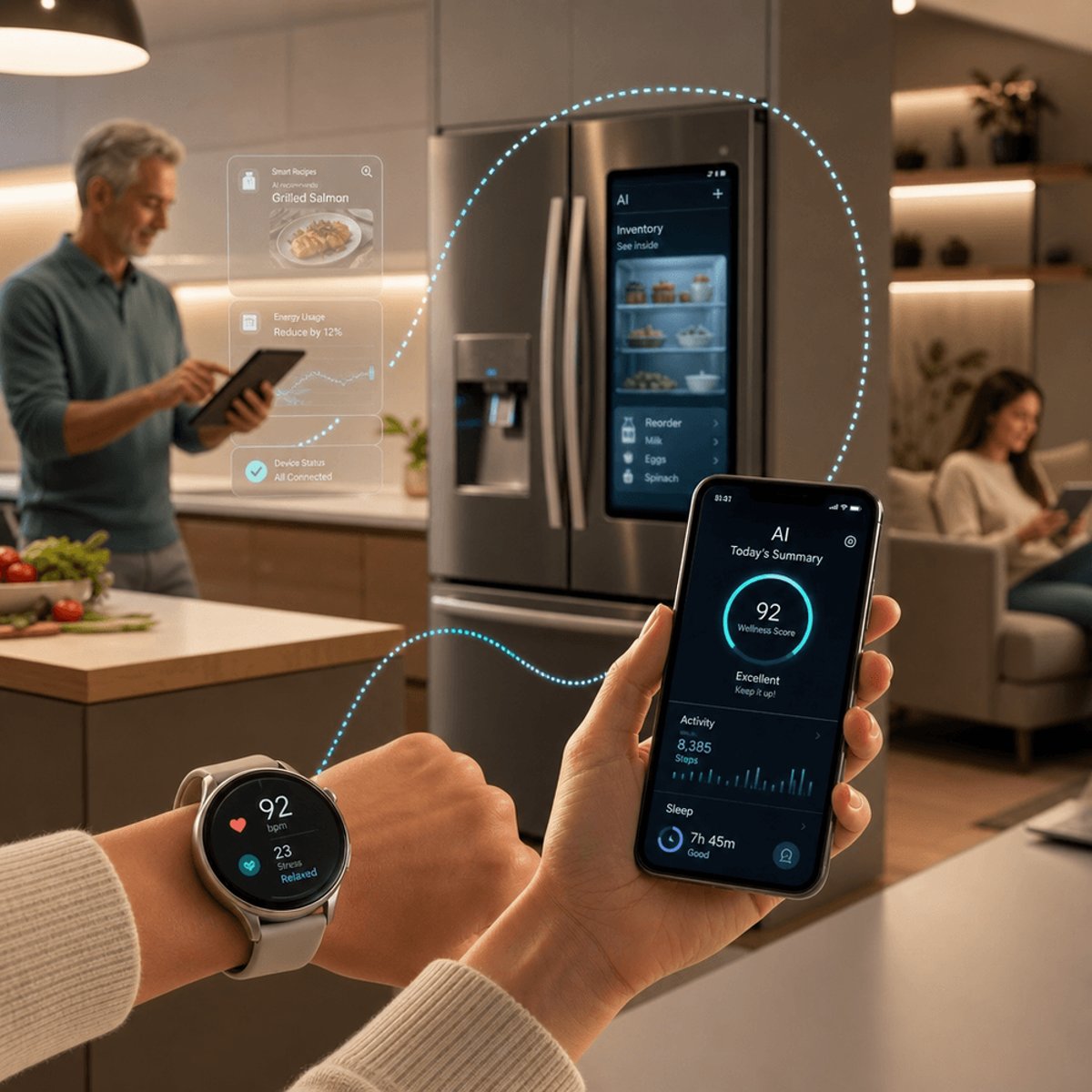
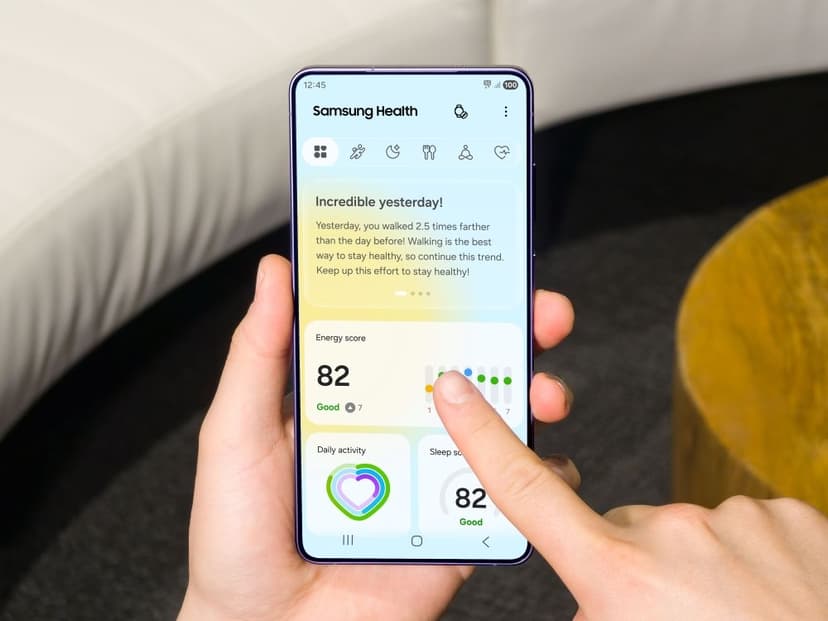
The three humorous videos target distinct user pain points. For health-conscious consumers, Samsung spotlights the Antioxidant Index feature available through Galaxy Watch8 and the Samsung Health app. The tool checks wellness status and delivers personalized meal suggestions - turning biometric data into actionable dietary advice. It pairs with the AI Food Manager in Samsung's Bespoke AI Refrigerator Family Hub, which tracks ingredients and recommends recipes based on what's actually in your fridge.
Pet owners get a different value proposition. The Now Brief feature, exclusive to Galaxy S26 series and later smartphones, sends reminders to walk dogs and logs routes plus duration through integration with the Pet Care service on the SmartThings app. It's a small but telling example of how Samsung's using cross-device data - your phone knows your pet's exercise patterns because your smart home ecosystem is tracking them.
The family safety angle might resonate strongest. Samsung's Call Screening feature on Galaxy smartphones helps elderly users dodge potential voice phishing scams by filtering suspicious calls. The feature, supported on Galaxy S24 series and devices running One UI 8.0 or later, works in 13 languages including Chinese, English, French, German, Hindi, Italian, Japanese, Korean, Polish, Portuguese, Spanish, Thai, and Vietnamese - a global reach that matches the campaign's ambitions.
Samsung's plastering the videos across high-visibility real estate. Screens at Times Square in New York and Piccadilly Circus in London are running the spots alongside placements on YouTube and Instagram. The geographic spread - from North America to Europe to Asia - underscores Samsung's intent to make this a truly worldwide brand play, not a regional test.
The campaign builds on messaging Samsung previewed at The First Look during CES 2026, where the company first articulated its "AI Living" vision. But there's a strategic shift happening here. Rather than promoting the Galaxy S26's processor or the Watch8's battery life, Samsung's selling an integrated experience that only works when you're deep in its ecosystem. You need the Galaxy phone, the Galaxy watch, the Samsung account, the SmartThings app - all working in concert.
That ecosystem lock-in strategy mirrors Apple's playbook but with an AI-first framing. Where Apple emphasizes privacy and seamless handoff between devices, Samsung's leaning into proactive AI that learns patterns and nudges behavior. The difference matters as both companies vie for customers willing to commit to a single-brand universe of connected gadgets.
The timing aligns with broader industry momentum around ambient AI - technology that fades into the background until needed. Google's been pushing similar concepts with its Nest ecosystem, while Amazon's Alexa has long promised anticipatory assistance. Samsung's advantage might be hardware diversity - it makes the phones, watches, TVs, and appliances, giving it more touchpoints than platform-only players.
But the campaign also reveals Samsung's challenge. Convincing consumers that AI-powered antioxidant tracking or automated dog-walking reminders justify buying into an entire ecosystem requires overcoming skepticism about whether these features solve real problems or just create new dependencies. The humorous tone of the videos suggests Samsung knows it's walking a fine line between helpful and intrusive.
"We will continue to create more meaningful ways for customers to experience the value of Samsung's innovations in their daily lives," Choi said. That language - "meaningful ways" rather than "new products" - hints at Samsung's recognition that the next phase of competition isn't about better screens or faster chips. It's about demonstrating why AI integration across devices matters enough to keep customers locked into a single ecosystem.
Samsung's campaign marks a pivotal moment in how consumer electronics companies market AI - not as a standalone feature but as invisible glue connecting an entire product universe. Whether consumers embrace this vision of AI-mediated living or resist the ecosystem lock-in it requires will determine if Samsung's bet pays off. The company's counting on users valuing convenience over independence, and on its AI being helpful enough to justify handing over health data, home patterns, and daily routines. As the videos roll across Times Square and Piccadilly Circus, Samsung's not just selling products - it's selling a lifestyle where AI anticipates your needs before you voice them. That's either the future of consumer tech or a bridge too far, depending on whether you want your refrigerator planning your meals.