OneRobotics, the parent company behind smart home automation brand SwitchBot, is acquiring Nanoleaf, the Toronto-based maker of color-changing LED lighting panels. The deal brings together two complementary players in the fragmented smart home market, signaling consolidation in an industry where interoperability remains a major challenge. Nanoleaf CEO Gimmy Chu told The Verge the company will operate independently while gaining resources to expand its product lineup and integrate with SwitchBot's automation ecosystem.
The smart home industry just got a little less fragmented. OneRobotics, the Japanese parent company of automation brand SwitchBot, is acquiring Nanoleaf, bringing the distinctive LED lighting company under the same roof as one of the market's most prolific smart home accessory makers.
Nanoleaf CEO Gimmy Chu characterized the deal as "more of a merger" in an exclusive interview with The Verge. He and cofounder Christian Yan will continue running the company from its Toronto headquarters. "Nothing is changing operationally," Chu emphasized, though the companies are already planning product integrations that could make Nanoleaf's geometric light panels play nicer with SwitchBot's growing lineup of curtain controllers, lock retrofits, and hub devices.
The acquisition comes as the smart home market faces mounting pressure to consolidate. Despite years of promises about seamless connected homes, consumers still wrestle with incompatible platforms, fragmented apps, and devices that refuse to talk to each other. Matter, the industry's latest interoperability standard, has made progress but adoption remains uneven. Companies like SwitchBot and Nanoleaf have built businesses by filling gaps left by bigger players, but scale matters when competing against ecosystems from Amazon, Google, and Apple.
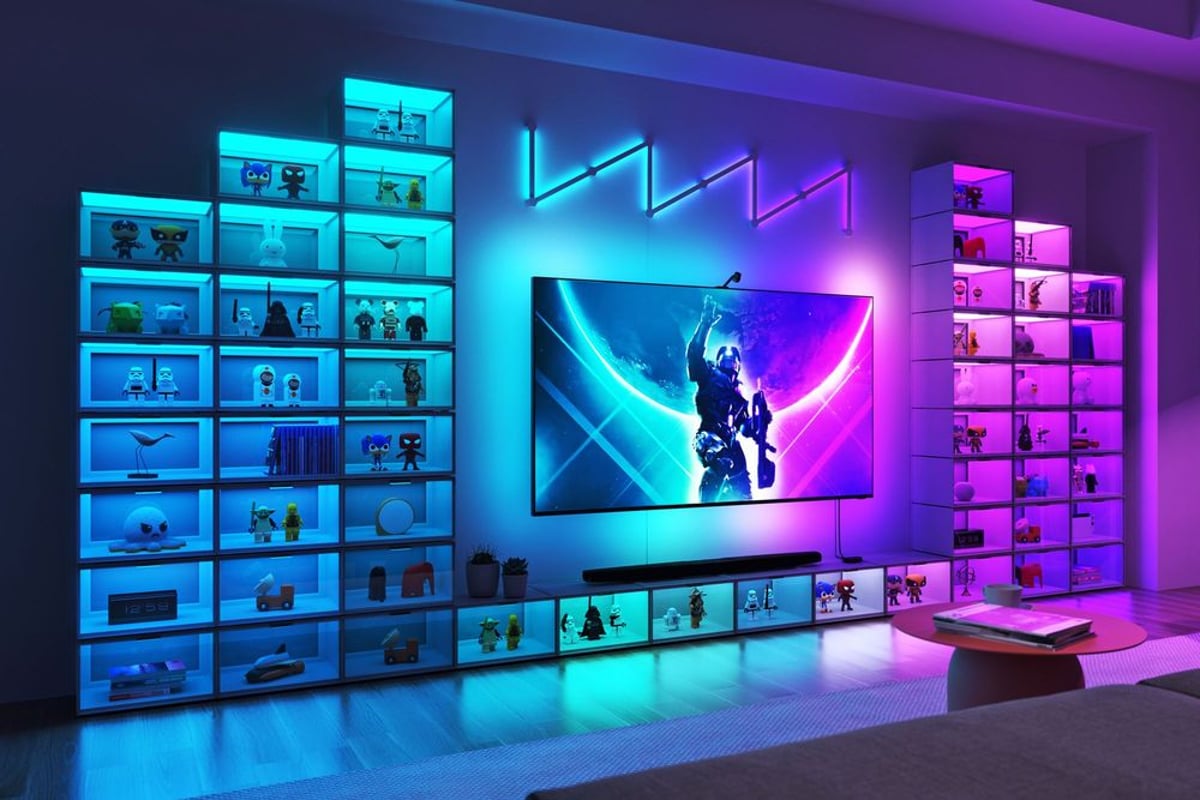
Nanoleaf built its reputation on eye-catching products that double as wall art. The company's triangular and hexagonal light panels became Instagram fixtures, appealing to gamers and design-conscious consumers willing to pay premium prices for ambient lighting. More recently, Nanoleaf expanded into TV backlighting systems that mirror on-screen colors and display cases for collectibles. It's a focused product line that punches above its weight in brand recognition.
SwitchBot took a different approach, flooding the market with affordable gadgets designed to retrofit existing homes. The company's mechanical curtain pullers, smart locks that install over existing deadbolts, and IR blasters that control legacy appliances target renters and homeowners who want smart features without rewiring their houses. SwitchBot has built a reputation for clever engineering that solves practical problems, even if its products lack Nanoleaf's aesthetic polish.
Bringing these companies together creates interesting possibilities. Imagine Nanoleaf panels that automatically adjust based on SwitchBot sensors detecting room occupancy, or lighting scenes that trigger when SwitchBot curtains open at sunrise. The combination gives OneRobotics a more complete smart home portfolio spanning lighting, window treatments, security, and climate control.
The deal also provides Nanoleaf with financial resources to scale up. Chu mentioned plans to grow the Toronto team and expand product development, suggesting Nanoleaf has been capital-constrained despite its brand strength. Access to OneRobotics' supply chain and manufacturing relationships could help Nanoleaf improve margins while maintaining its premium positioning.
For OneRobotics, the acquisition represents a strategic bet on building a vertically integrated smart home ecosystem that can compete with the tech giants. While companies like Google and Amazon leverage voice assistants and cloud services to lock in users, smaller players need different strategies. OneRobotics appears to be betting that breadth of hardware combined with cross-device automation can create enough value to retain customers even without a dominant platform.
The smart home market has seen similar consolidation moves as companies realize ecosystem advantages matter more than point solutions. Amazon acquired Ring and Eero to strengthen its home security and networking offerings. Apple has steadily expanded HomeKit compatibility while tightening integration with iPhones and HomePods. Independent players face difficult choices about whether to remain standalone, get acquired, or form strategic partnerships.
Chu's emphasis that Nanoleaf will maintain operational independence suggests OneRobotics understands the value of preserving what makes Nanoleaf distinct. The company's design-forward approach and premium brand identity could be diluted if forced to adopt SwitchBot's more utilitarian product philosophy. The challenge will be achieving meaningful integration while keeping both brands' identities intact.
The OneRobotics-Nanoleaf deal reflects broader dynamics reshaping the smart home industry. As the market matures beyond early adopters, success increasingly depends on offering complete ecosystems rather than standalone gadgets. For Nanoleaf, the acquisition provides resources to accelerate growth while maintaining the independence that's made it distinctive. For OneRobotics, it's a strategic move to build a more comprehensive smart home portfolio that can compete with tech giants through breadth and integration rather than platform dominance. The real test will be whether the combined entity can deliver on promises of seamless product integration while preserving what makes each brand appealing to its respective audiences.