Google just handed its search results over to the influencer class. The company's rolling out custom Search profiles that let top creators control how they appear in search results, but there's a catch - you'll need at least 100,000 followers on YouTube, Instagram, or X, or 300,000 on TikTok to even qualify. The move marks Google's latest attempt to keep creators and their audiences within its ecosystem, at a time when social platforms are increasingly becoming the primary discovery engines for younger users.
Google is rewriting the rules of how influencers show up in search results. Starting now, creators who've built massive followings on social platforms can claim dedicated profiles in Google Search that function like personal landing pages - complete with pinned content, social links, and custom bios.
But this isn't a feature for everyone. According to Google's support documentation, you'll need to hit some pretty steep thresholds: 100,000 subscribers on YouTube, 100,000 followers on Instagram or X, or 300,000 followers on TikTok. You also need to be 18 or older and based in the US.
The timing here isn't random. Google's watching younger users increasingly skip search altogether, heading straight to TikTok or Instagram when they want to discover content. By giving top creators more control over their Search presence, Google's essentially trying to make itself more relevant to the influencer economy that's reshaping how people find information online.
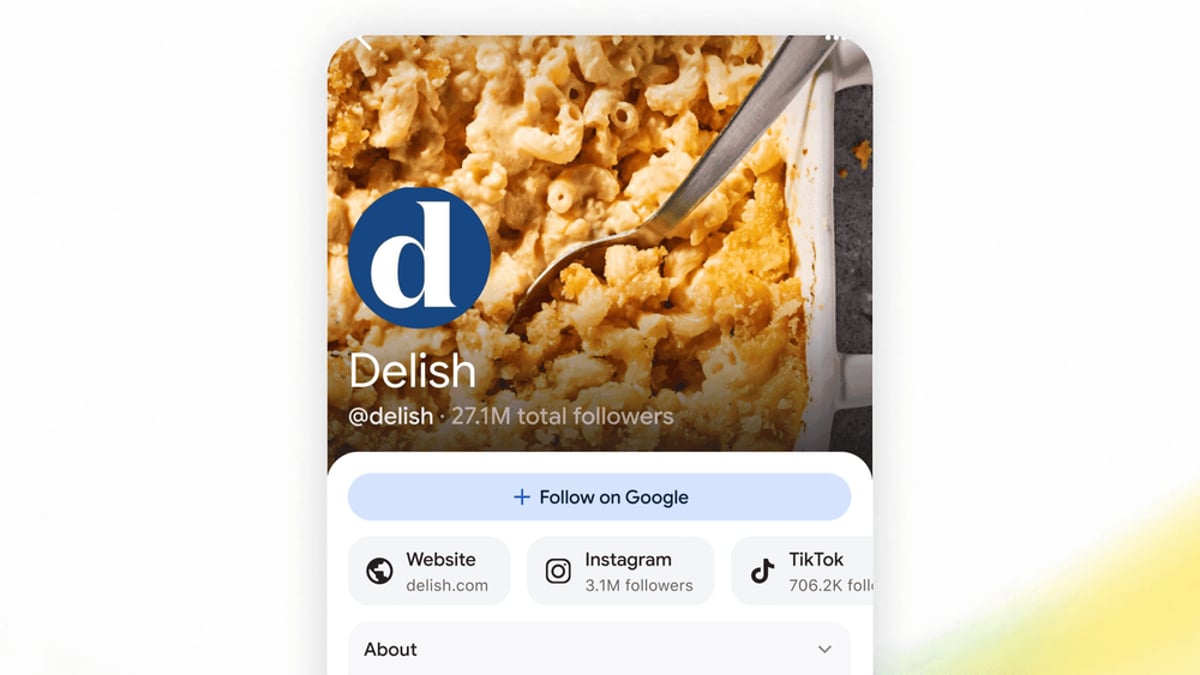
Demo videos posted by Google show how these profiles work in practice. Creators can feature links to their websites and other platforms, write a short bio, and pin specific pieces of media - whether that's YouTube videos, articles, or posts from other social networks. It's basically a verified, Google-hosted portfolio that appears when someone searches your name.
The feature puts Google in an interesting position. The company's traditionally been about surfacing the best content regardless of who created it. But now it's building tools specifically designed to amplify people who've already proven they can command attention elsewhere. It's a tacit admission that in 2026, personal brands matter as much as the content itself.
For creators who make the cut, the upside is obvious - more control over your digital first impression, better cross-platform traffic routing, and a Google-blessed stamp of legitimacy. The company's essentially offering prime real estate in search results to people who've already built audiences on competing platforms.
But the high follower requirements reveal something about Google's strategy here. This isn't about democratizing search or helping small creators break through. It's about capturing the top tier of the creator economy, the people whose names generate millions of searches and who have the leverage to potentially bypass Google entirely.
The move also creates an interesting dynamic with Google's own YouTube platform. Creators who've built their followings on TikTok or Instagram can now use Google Search to route that audience back to their YouTube channels, or vice versa. Google's basically betting that by making Search more creator-friendly, it can position itself as the connective tissue between different social platforms.
There's also a competitive angle here. Meta has been pushing hard on creator monetization tools, and TikTok's algorithm has proven devastatingly effective at surfacing new voices. Google needs to give top creators a reason to care about appearing in traditional search results, especially as younger audiences increasingly view search as something you do within apps, not through a browser.
According to Google's official blog post, publishers are also eligible for these profiles, though the company hasn't specified what thresholds media organizations need to meet. That opens up questions about how Google will balance individual creators against institutional media in search rankings.
The feature launches as Google faces ongoing scrutiny over how it surfaces information and who gets visibility in search results. By creating an explicit tier system based on social media follower counts, Google's essentially codifying influence as a ranking signal - at least for personal profiles.
Google's rolling out the red carpet for top-tier influencers, but the real story here is what it says about where search is headed. By letting creators with massive social followings control their Search presence, Google's acknowledging that in 2026, personal brands drive discovery as much as algorithms do. The high barrier to entry - 100K followers minimum - means this is less about helping creators and more about keeping Google relevant to the influencer economy. For the thousands of mid-tier creators who don't make the cut, it's another reminder that the internet's increasingly a place where you need to be big to get bigger. What remains to be seen is whether younger users who've grown up searching on TikTok will even notice these changes - or care.