Samsung is making its biggest push yet into AI-powered home automation, tripling its Bespoke AI appliance lineup from 300 to over 1,000 models by 2025. The Korean tech giant's ultimate goal? Eliminating household chores entirely through appliances that think and act autonomously, according to EVP Jeong Seung Moon in an exclusive interview with Samsung Newsroom.
Samsung just dropped a bombshell about the future of smart homes. The company is tripling its AI appliance lineup in what amounts to the most aggressive push into autonomous household management we've seen from any major manufacturer. In an exclusive interview with Samsung Newsroom, Executive Vice President Jeong Seung Moon revealed that the Bespoke AI portfolio will grow from roughly 300 models in 2024 to over 1,030 models by March 2025.
"Samsung's product development is focused on advancing the connection between AI and devices so that appliances can understand users and act on their behalf - ultimately achieving zero housework," Moon told Samsung Newsroom. That's not marketing speak - it's a fundamental shift in how Samsung views the role of home appliances.
The numbers back up Samsung's ambition. The company now ships 91% of its Bespoke Four-Door Refrigerators with Wi-Fi connectivity, creating a massive installed base for AI-powered features. This connectivity expansion enables what Samsung calls its three foundational technologies: Screens for intuitive control, Bixby for voice commands, and Vision for object recognition.
Bixby is getting a major upgrade that puts it ahead of competitors like Amazon Alexa and Google Assistant in appliance control. The voice assistant now runs on a large language model specifically tailored for home appliances, enabling natural conversation instead of rigid voice commands. Even more impressive is the new Voice ID feature that recognizes different family members and personalizes responses accordingly.
"When a user asks, 'What's on my schedule?' Bixby will pull up their calendar, not someone else's," Moon explained. The system works with photos, playlists, and other personal data, creating truly individualized experiences within shared households.
Samsung's also rolling out what it calls "wakeless voice control" - an industry-first innovation that lets users skip the "Hi Bixby" wake phrase. Users can simply say "Open the left fridge door" and the appliance responds immediately. Combined with features like Auto Open Door, it creates an almost telepathic user experience.
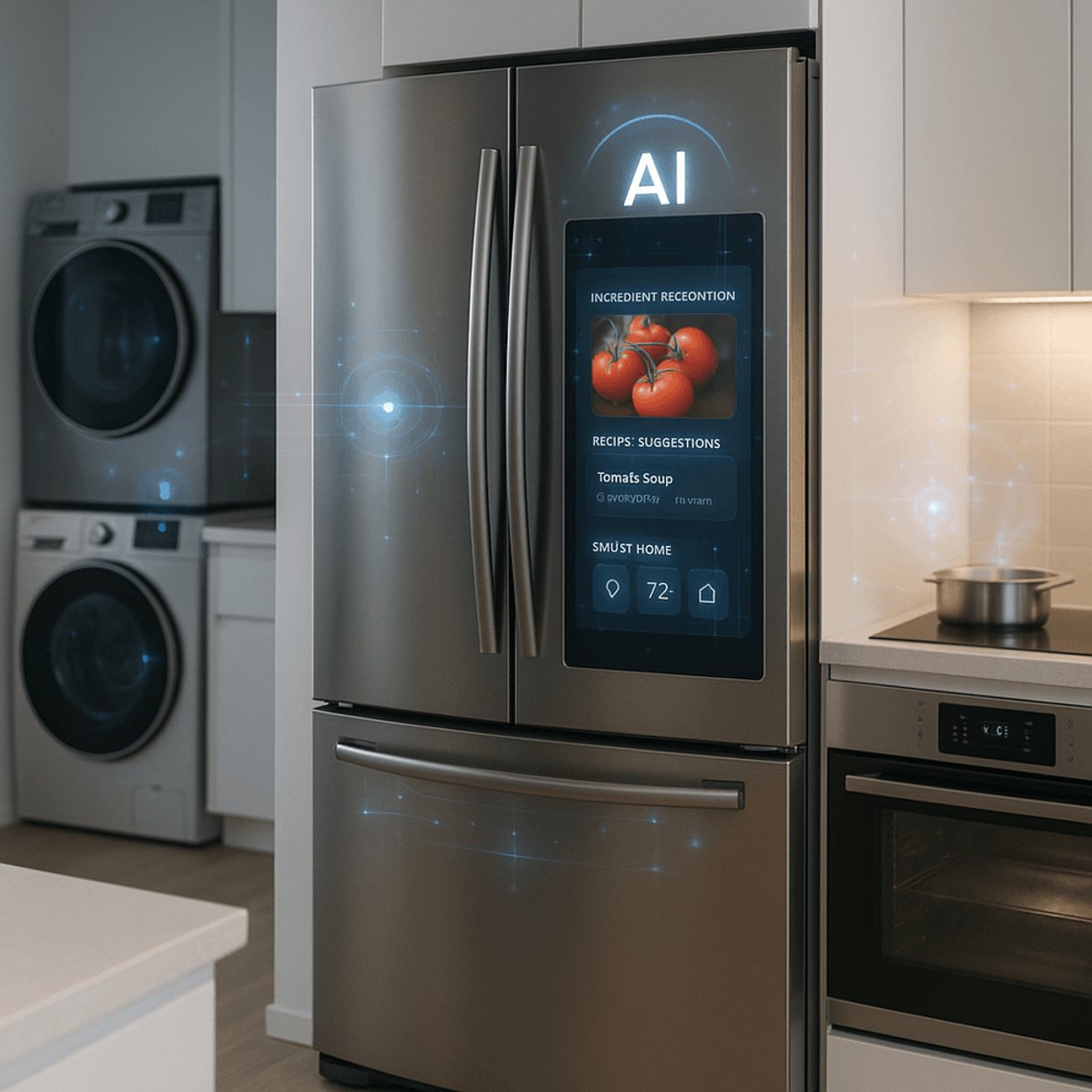
The Bespoke AI Family Hub refrigerator showcases where this technology is heading. Its AI Vision Inside feature automatically identifies ingredients as they're placed inside, manages food inventory, and recommends recipes based on what's available. During cooking, it sends optimal settings to connected kitchen appliances, creating a seamless meal preparation ecosystem.
Samsung's laundry game is equally impressive. The Bespoke AI Laundry Combo uses AI Opti Wash & Dry to detect fabric type, soil level, and weight after clothes are loaded. It then automatically dispenses detergent and selects wash and dry cycles without user intervention. Even noise and vibration are controlled through AI Vibration Reduction Technology.
These aren't incremental improvements - they represent a fundamental shift from reactive to proactive appliances. Moon emphasized that Bespoke AI appliances are "designed to recognize and take care of everyday tasks that people often find tedious, difficult or time-consuming."
The competitive implications are massive. While Apple focuses on premium smart home accessories and Google pushes its Nest ecosystem, Samsung is betting on comprehensive AI integration across major appliances. The scale advantage is clear - few companies can match Samsung's manufacturing capacity for everything from refrigerators to washing machines.
Looking ahead, Samsung's vision extends far beyond kitchens and laundry rooms. Moon revealed plans to expand Bespoke AI "beyond the home to other areas, such as buildings, vehicles and even ships - creating more intelligent, interconnected environments across industries." That positions Samsung to compete with Tesla in automotive AI and industrial automation players across multiple sectors.
The timing couldn't be better. Consumer demand for smart home technology is accelerating, and Samsung's integrated approach could give it a significant advantage over companies that rely on partnerships or third-party integrations. With over 1,000 AI-enabled models hitting the market, Samsung is essentially flooding the zone with intelligent appliances.
Samsung's aggressive expansion into AI appliances represents more than a product lineup refresh - it's a bid to own the autonomous home of the future. By tripling its Bespoke AI models and investing heavily in Voice ID, wakeless control, and computer vision, Samsung is positioning itself as the dominant player in smart home automation. The company's vision of "zero housework" may sound ambitious, but with over 1,000 AI-powered models hitting the market and connectivity rates above 90%, Samsung has the scale and technology to make it reality. The question isn't whether AI will transform home appliances - it's whether competitors can match Samsung's integrated approach.