Samsung just landed one of YouTube's biggest science educators for its streaming platform. The company announced Mark Rober TV, the former NASA engineer's first-ever dedicated FAST channel, is now live exclusively on Samsung TV Plus across 18 countries. With over 71 million YouTube subscribers, Rober's move to television represents Samsung's aggressive push into creator-driven content as the streaming wars intensify.
Samsung is making a major play for the creator economy with today's launch of Mark Rober TV, the former NASA engineer's first dedicated FAST channel now streaming exclusively on Samsung TV Plus. The move brings one of YouTube's most influential science educators to traditional television audiences across 18 countries, from the US and Canada to Australia, India, and most of Europe.
Rober, who boasts over 71 million YouTube subscribers with his signature blend of engineering insights and viral experiments, represents Samsung's biggest creator coup yet. "I've always believed science and engineering are just fancy words for curiosity and creativity," Rober told Samsung. "This channel is a way to spread that spirit to even more people around the world."
The timing couldn't be more strategic. Free ad-supported television (FAST) channels are exploding as viewers cut traditional cable but still want familiar TV experiences. Samsung TV Plus, which launched in 2015, now operates in 24 countries and claims to be "shaping the next era of television" by bridging YouTube culture with living room viewing.
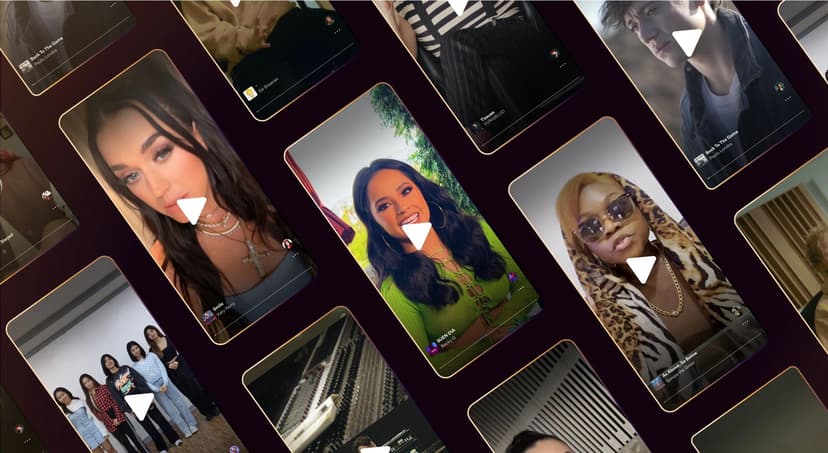
Samsung's creator strategy goes way beyond Rober. The platform now hosts dedicated channels from MrBeast (YouTube's most-subscribed individual creator), The Try Guys, Michelle Khare, and dozens of other digital-first personalities. In North America alone, viewers can access 11 creator channels including BuzzFeed Tasty, Smosh, and Donut Media.
"Mark Rober's blend of science, creativity and curiosity have inspired millions around the world," said Salek Brodsky, Senior Vice President and Global Head of Samsung TV Plus, in the company's announcement. The executive positioned Rober's content as multigenerational, tapping into what Samsung sees as a key advantage over traditional kids' programming.
But Samsung isn't alone in chasing creator talent. Roku has been aggressively courting YouTube stars for its own FAST offerings, while Pluto TV and Tubi have launched creator-focused initiatives. The race reflects a broader shift in how media companies think about content - instead of expensive scripted shows, they're betting on personalities who've already proven they can build massive, engaged audiences.
For creators like Rober, FAST channels offer something YouTube can't: premium advertising rates and global distribution without the platform's algorithm uncertainty. Traditional TV still commands higher CPMs than digital advertising, making the economics attractive even if overall viewership might be smaller initially.
The geographic rollout reveals Samsung's international ambitions. Mark Rober TV launches in 17 countries beyond the US, with Samsung promising "additional markets to be announced." That global reach gives creators access to audiences that might be challenging to monetize effectively on YouTube due to regional advertising disparities.
Rober's transition from NASA engineer to YouTube sensation to TV personality reflects the evolving creator economy. His channel, known for elaborate engineering projects like glitter bomb packages for package thieves, represents exactly the kind of premium, family-friendly content traditional advertisers love but that often gets lost in YouTube's vast ecosystem.
Samsung's bet is that creator-driven content can compete with traditional programming while costing a fraction of scripted shows. If successful, expect more tech companies to raid YouTube's top talent for their streaming platforms.
Samsung's Mark Rober deal signals a fundamental shift in the streaming landscape. As traditional TV viewership declines and YouTube creators seek new revenue streams, FAST platforms are becoming the bridge between digital-first content and living room entertainment. Samsung's aggressive creator recruitment strategy could force competitors like Roku and Amazon's Freevee to accelerate their own talent acquisitions, potentially reshaping how we think about television programming in an increasingly creator-driven media world.