Samsung just made sleep tracking medical-grade. At World Sleep 2025 in Singapore, the tech giant showcased its Galaxy Watch8 series with breakthrough features including two-night sleep apnea detection and AI-powered bedtime coaching. The company's push into preventive healthcare puts it directly against Apple Watch's health dominance.
Samsung is betting big on sleep - and it's paying off in ways that could reshape wearable health tech. At World Sleep 2025 in Singapore last week, the Korean giant unveiled how its Galaxy Watch8 series is turning sleep monitoring from wellness tracking into legitimate medical screening.
The standout announcement? Sleep apnea detection that works in just two nights. According to Samsung Health VP Jongmin Choi, the feature can identify moderate to severe obstructive sleep apnea in adults 22 and older who haven't been previously diagnosed. That's significant - OSA affects roughly 39 million Americans, with most cases going undiagnosed for years.
Samsung's approach uses what the company calls the "two-process model of sleep regulation," analyzing the interaction between sleep drive and circadian rhythms. "Sleep is a cornerstone of health, and Samsung is committed to helping people understand and improve it," Choi told attendees. "We're turning complex biometrics into actionable insights."
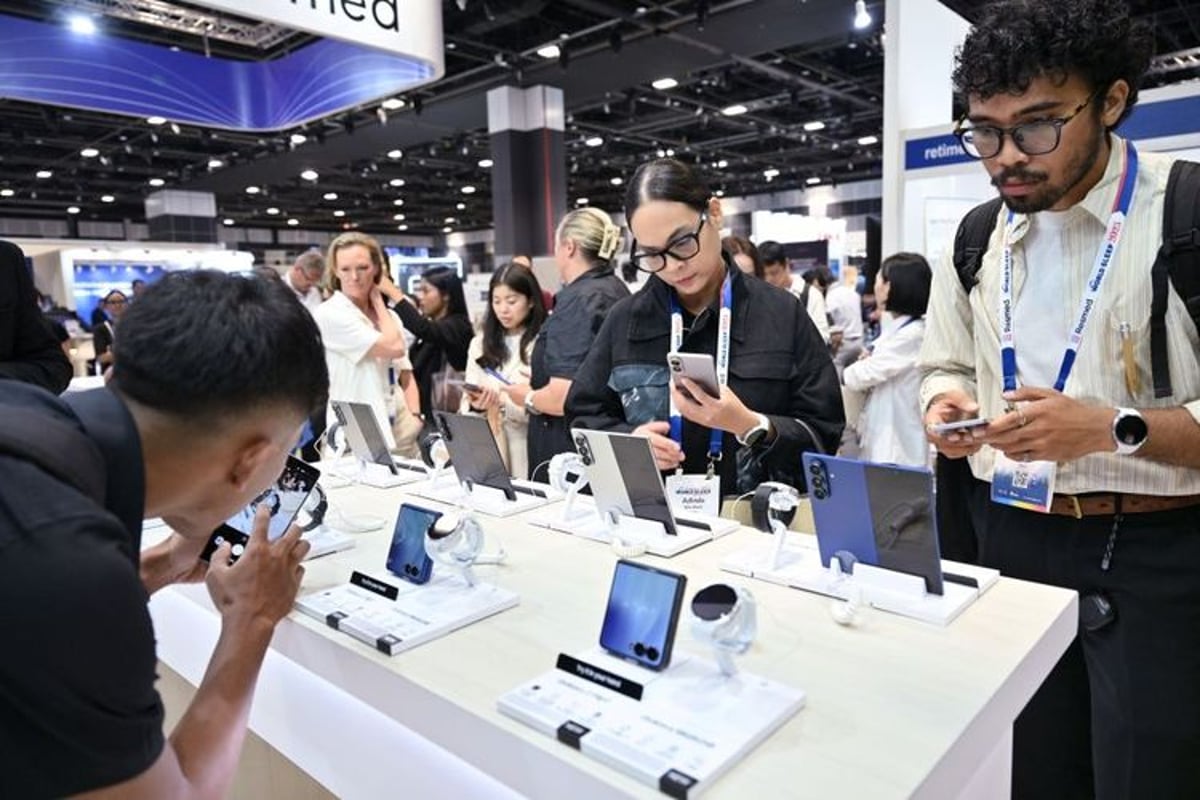
[Image placeholder: Samsung Health booth at World Sleep 2025 conference showing Galaxy Watch8 displays]
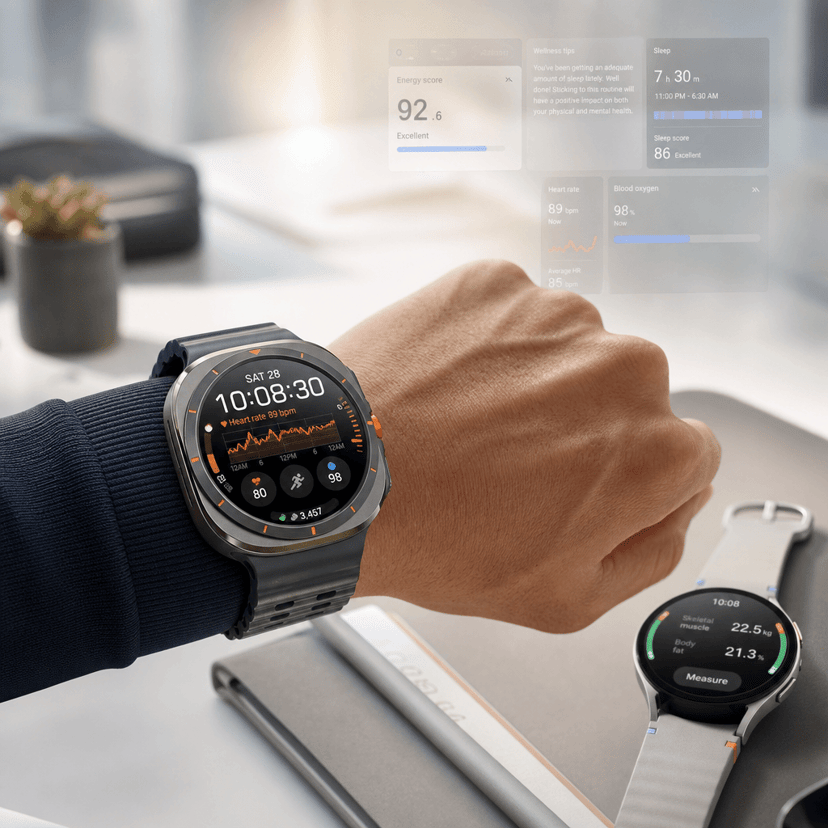
But Samsung isn't stopping at sleep disorders. The Galaxy Watch8's Vascular Load feature tracks cardiovascular stress during sleep - something that typically decreases at night but can signal problems when it doesn't. Combined with the new Bedtime Guidance system, which offers personalized sleep recommendations based on three days of analysis, Samsung's creating a comprehensive sleep health ecosystem.
The timing couldn't be better. While Apple dominates health wearables in the US, Samsung's medical-grade features could give it an edge in global markets where regulatory approval for health monitoring varies. The Galaxy Watch8's sleep apnea detection joins a growing list of medical capabilities that include ECG monitoring and blood oxygen tracking.
Samsung also showcased its Health SDK at the conference - a toolkit that lets third-party developers access health data with user consent. That's a direct challenge to Apple's walled garden approach and could accelerate health app development for Samsung devices.
The conference featured Samsung's quirky "Sleep Animals" assessment, where users discover their sleep personality through one of eight animal types based on duration, consistency, and wake patterns. It's the kind of gamification that makes health tracking stick - something both Fitbit and Apple have struggled to perfect.
[Video embed placeholder: Jongmin Choi presentation at Samsung symposium]
What makes Samsung's push particularly interesting is the hardware advancement. The Galaxy Watch8 introduces the Antioxidant Index - the first smartwatch feature to measure carotenoid levels in skin. Combined with Running Coach's customized training programs and stress management tools like High Stress Alert, Samsung's building a health platform that goes far beyond step counting.
Industry analysts are taking notice. The wearables market hit $81 billion in 2024, with health features driving most premium purchases. Samsung's medical-grade approach could capture users who want clinical insights, not just fitness motivation.
"We're setting new standards for how wearables can improve health - one night's sleep at a time," Choi emphasized during Samsung's symposium on September 9th.
The real test comes with FDA approval and real-world accuracy. Sleep apnea detection sounds impressive, but medical professionals remain cautious about consumer devices making diagnostic claims. Samsung's careful language - calling it "signs detection" rather than diagnosis - suggests they're aware of these regulatory hurdles.
For now, Samsung's advancing on multiple fronts while Apple focuses on incremental health improvements and Google struggles to make Wear OS compelling. The Galaxy Watch8's sleep innovations could be Samsung's breakthrough moment in health wearables.
Samsung's Galaxy Watch8 represents a calculated bet on medical-grade wearables over basic fitness tracking. With sleep apnea affecting millions of undiagnosed users and cardiovascular monitoring becoming table stakes, Samsung's pushing beyond Apple's incremental health updates. The real question isn't whether these features work - it's whether consumers trust their smartwatch to detect serious medical conditions. If accuracy matches ambition, Samsung could finally crack Apple's health dominance.