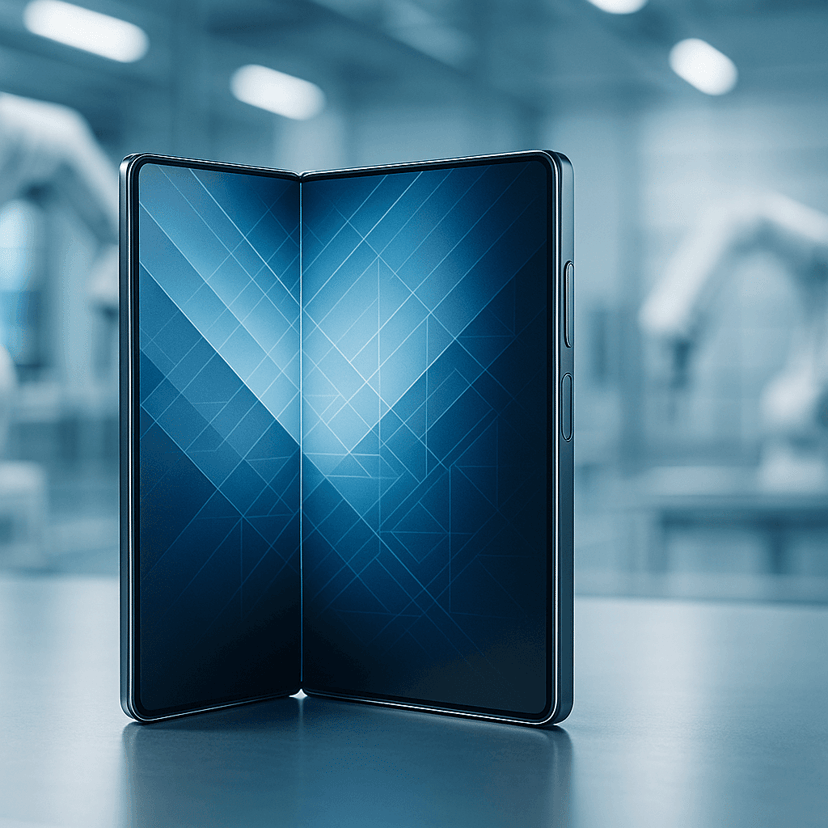
Samsung just pulled back the curtain on how it builds the Galaxy Z TriFold, revealing a manufacturing process that's as complex as the device itself. The Korean tech giant's latest behind-the-scenes video showcases robotic precision, 200,000-cycle durability tests, and advanced scanning techniques that make their first tri-folding smartphone possible. It's a rare glimpse into the engineering challenges of creating a 10-inch display that folds twice.
Samsung isn't just showing off its newest foldable - it's flexing its manufacturing muscle. The company's latest video takes viewers inside the Galaxy Z TriFold production line, revealing the obsessive engineering that goes into making a phone fold twice without breaking.
The manufacturing showcase comes as Samsung doubles down on foldables amid growing competition from Chinese brands. According to Samsung's official newsroom, the Galaxy Z TriFold represents a decade of folding phone innovation compressed into their most ambitious form factor yet.
What's fascinating is the precision required. Two different-sized Armor FlexHinges - each optimized for the tri-fold design - get assembled through advanced automated systems that make Swiss watchmaking look simple. The company uses specialized display attachment processes and 3D laser scanning to ensure the device's surface quality meets their standards for that cinematic 10-inch viewing experience.
But the real test happens in the durability lab. Samsung puts each Galaxy Z TriFold through a punishing 200,000-cycle multi-folding test. That translates to folding the device roughly 100 times daily for five straight years - far beyond what most users would ever do. It's the kind of over-engineering that separates mass-market foldables from experimental concepts.
The manufacturing complexity extends to components most users never see. High-speed CT scanning verifies that flexible printed circuit boards are manufactured correctly before they're bonded with display components. It's quality control at the molecular level, ensuring every connection works reliably when the phone flexes.
Samsung's timing isn't accidental. Chinese competitors like Huawei and Xiaomi are pushing their own tri-fold concepts, making manufacturing prowess a key differentiator. The Korean giant is essentially saying: "We can mass-produce what others can only prototype."
The video also highlights Samsung's decade-long investment in foldable infrastructure. While competitors scramble to catch up, Samsung's been quietly perfecting the automated systems, testing protocols, and quality standards needed for reliable foldable production at scale.
What's particularly striking is Samsung's confidence in sharing these manufacturing details. Most companies guard production secrets closely, but Samsung seems comfortable revealing their process - perhaps because replicating it requires years of specialized equipment and expertise that competitors don't possess.
The Galaxy Z TriFold represents more than just another phone launch. It's Samsung's statement that they own the foldable manufacturing playbook, from robotic assembly to durability testing. As the foldable market heats up, that manufacturing edge could prove decisive in determining which companies survive the next phase of smartphone evolution.
Samsung's manufacturing transparency signals confidence in their foldable leadership, but also reveals how complex tri-fold production really is. While the Galaxy Z TriFold showcases impressive engineering, the real story is Samsung's manufacturing moat - automated systems and testing protocols that took a decade to perfect. As foldables move mainstream, this production expertise may matter more than any single device feature.